
 Goldfield, Nevada currently has a population of about 250 people. This is down from the 30,000 or so who were here during Goldfield’s boom times which started after gold was discovered here in 1902. By 1910, ore production had declined and the population dropped to under 5,000. It’s been downhill ever since.
But just outside of town, with no signs marking the turnoff heading about a half mile down a dusty gravel road, is the amazing, and frankly kind of spooky, International Car Forest of the Last Church. We had heard of this open-air art display out in the desert and we just had to see for ourselves. What we found were the remains of about 40 vehicles stuck in the ground. Now, that’s a pretty bland description so you just have to look at our photos to see what we’re talking about.


The two guys behind this odd piece of Americana are Michael “Mark” Rippie and Chad Sorg.
The following are excerpts from Aspen Marie Stoddard’s April 18, 2014 article in The High Country News that describes the origin of what we saw:
“I came up with The Last Church as representation of the last church being inside each of us,” Rippie told me last year. “Meaning that we should pass knowledge to each other from one heart to another about two things: unconditional love and compassion.”
“To call it an International Forest was my idea,” said Sorg, “as a sort of spoof on ‘national forest’ and because people from all over the world visit Goldfield. Highway 95 gets large amounts of tourists wanting to experience the Old West.”
Rippie, who owns these 80 acres, began the project in 2002, when he was in his late 50s. He’d spent decades around Goldfield (population maybe 250, down from an early 1900s peak of 30,000), often sporting a wispy gray beard and dabbling in mining and other schemes – “running the high desert looking for gold, antique treasures and junk vehicles,” as he put it. He hopped on his backhoe and dug the first hole for the forest, determined to get the Guinness Book of World Records title for the most cars planted vertically in the ground. Then he tapped his personal boneyard of junk vehicles.


Sorg, an artist who had done some work in Reno, came to Goldfield in 2004 thinking the town would be a perfect artists’ retreat and teamed up with Rippie. The High Country News article continues:
“My favorite part about working on the forest was the solitude it provided,” Sorg said. “I was out there every day. We actually wouldn’t start working until after midnight (to avoid the summer heat). Our trucks and backhoes were equipped with spotlights. The feeling was spooky and quirky. Over time, we learned a lot about the unique physical requirements of each vehicle, how to weight them down, and which end should be buried in the dirt. Mark would drive the backhoe and I would guide the vehicle into the hole. Then we would backfill dirt in. In all the times we did this, surprisingly, we never had any mishaps. After we met, I didn’t leave until we finished planting that last car” – which they did in 2011, seven years after Sorg teamed up with Rippie.

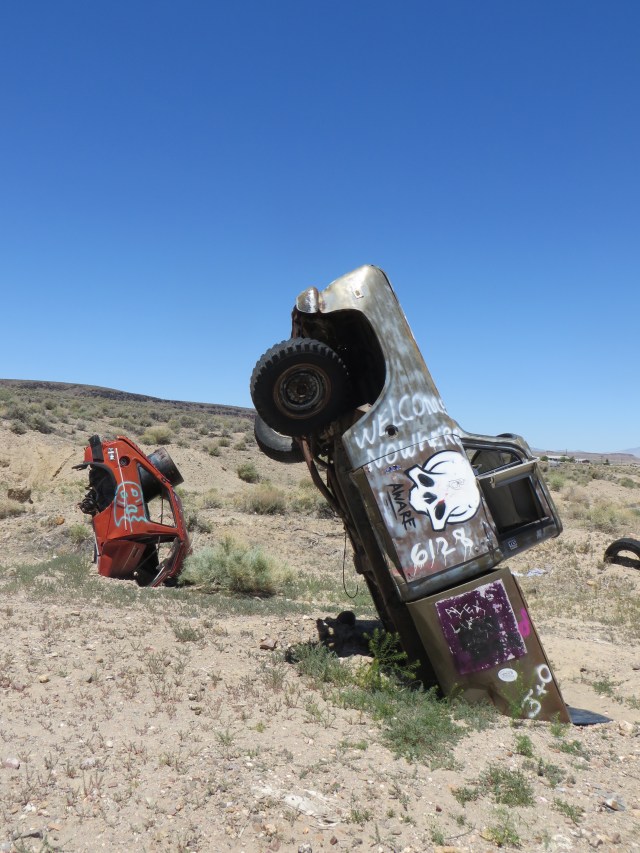

The two artists broke up after the project’s completion and Sorg’s Facebook page describes him as an artist, graphic designer and window cleaner. He lives in Fort Wayne, Indiana. Rippie’s Facebook page shows he still lives in Goldfield and is a self-employed heavy equipment operator and business owner/engineer at Stonewall Mining. Their alliance may be over but Rippie and Sorg’s International Car Forest of the Last Church serves as a lasting monument to artistic creativity.
 Have you ever stayed overnight at a lighthouse? Well, Tanya and Jay hadn’t. So, when we got the chance to stay a couple of nights in a 100+ year old lighthouse keeper’s cottage along the east coast of Florida we jumped at the opportunity. This was early last month and just prior to taking our latest transatlantic voyage back to Deutschland. Our ship was scheduled to depart from Ft. Lauderdale and rather than staying at some local Holiday Inn before we sailed, we looked for something a bit more interesting. We found it.


 Cuba is certainly on the bucket list of many Americans. For Canadians, Germans and citizens of virtually every other nation a visit to Havana is no big deal. But now that the door is open just a little bit for US citizens, Tanya and Jay had to go. Though our visit was much too short, we got a feeling of how warm and proud the Cuban people are. In terms of economic development, Cuba is about where one might imagine it would be after enduring a US embargo that has been in effect since 1962. But Cubans we talked to spoke with pride about their free education, health care, housing and even free funerals. Compared to much of the rest of the Caribbean, and of course, US cities, Havana is very safe to walk at night. Most folks don’t own a car so transportation is via shared rides, buses, taxi or horse-drawn carts.


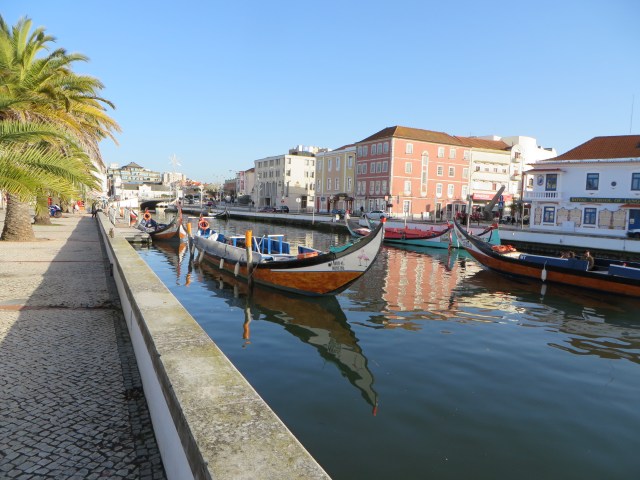

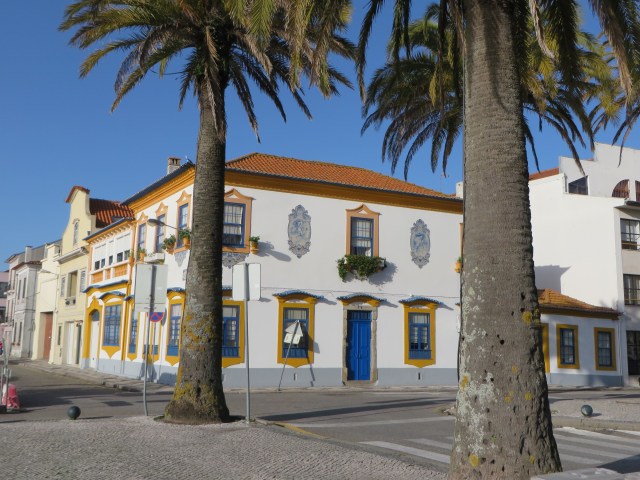
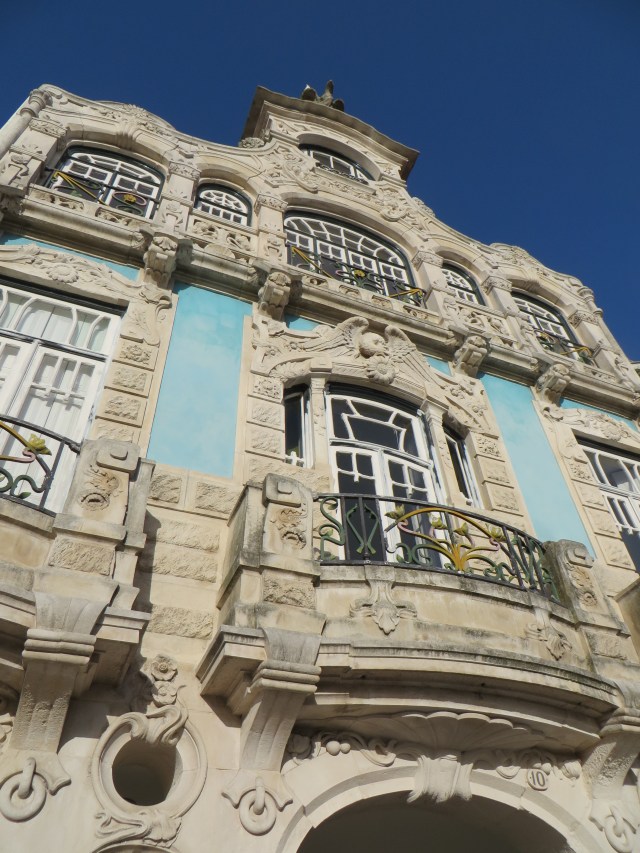
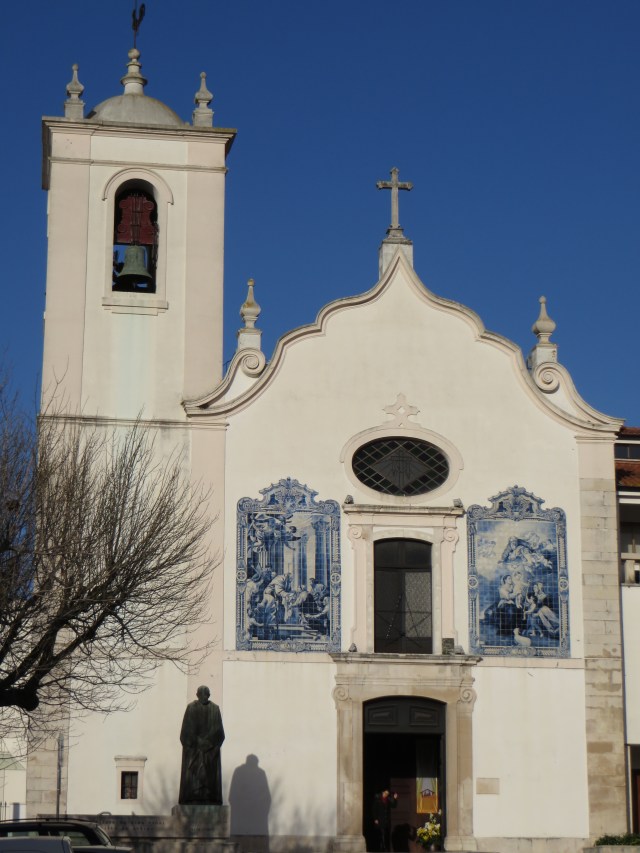
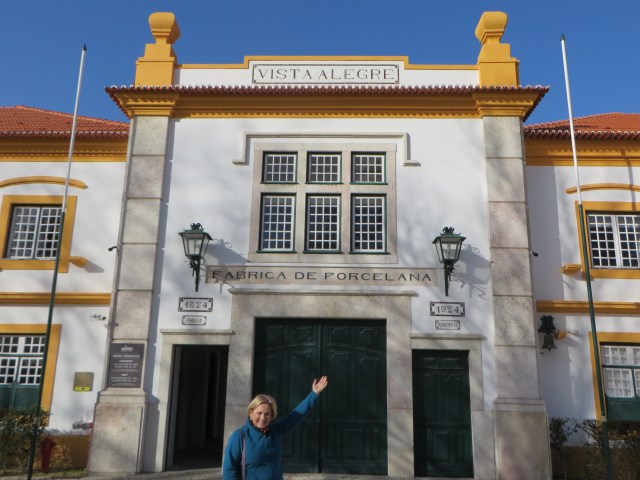




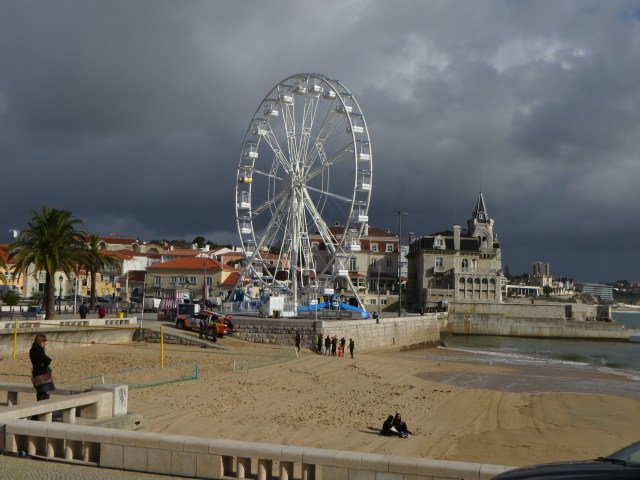
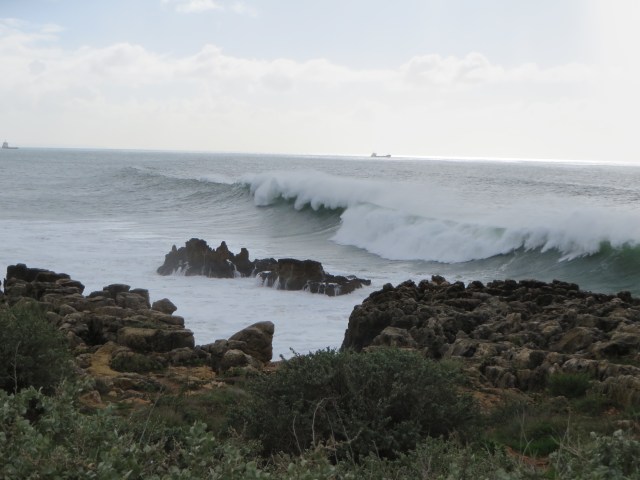
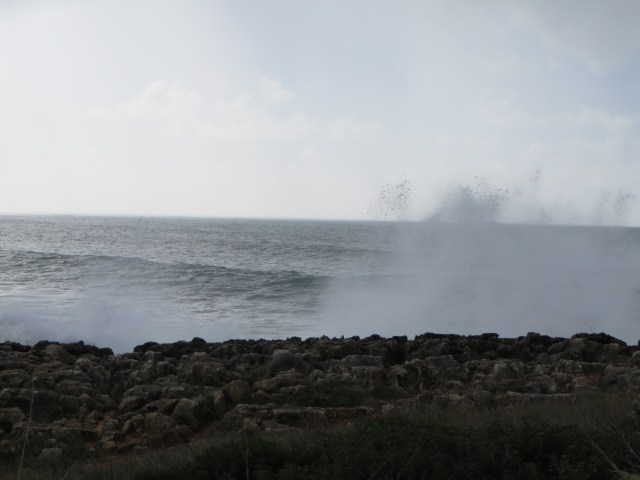

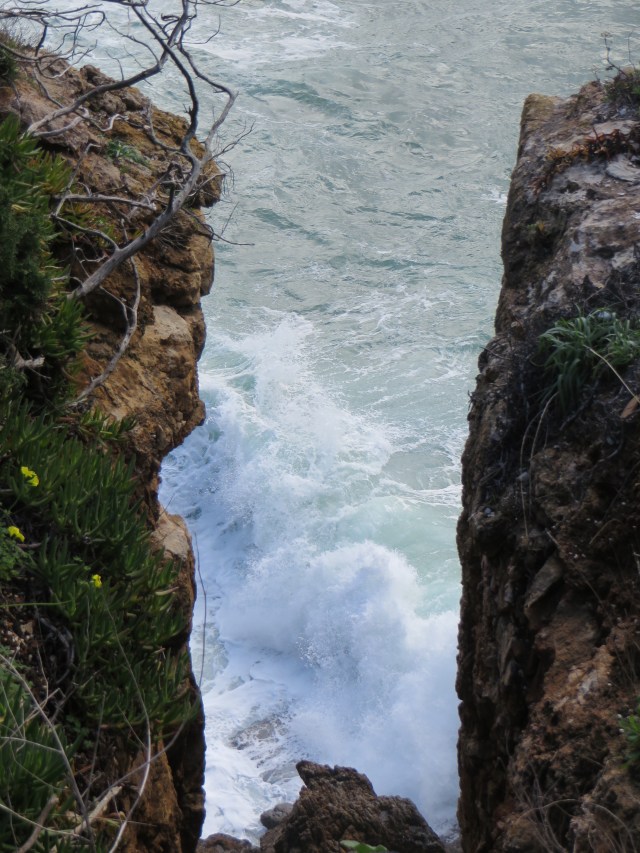
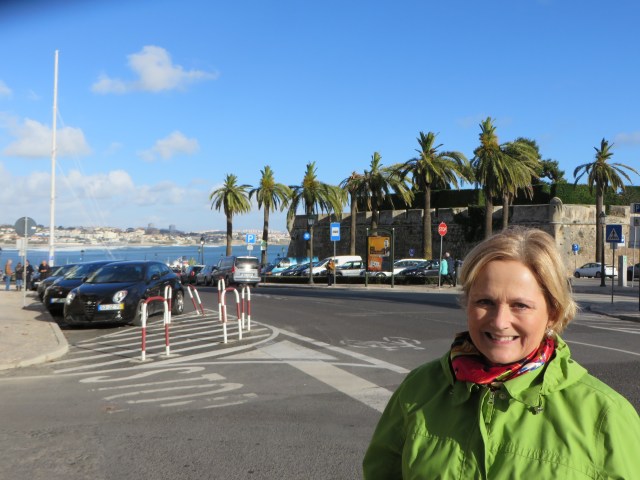
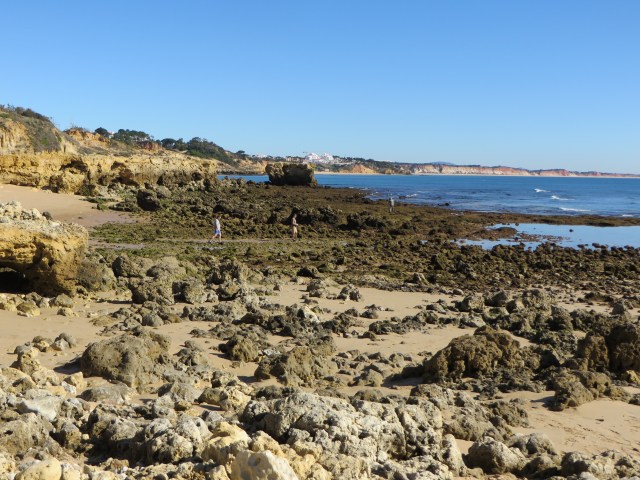
 How can a place so pretty be so trashy at the same time? Our two voracious vagabonds asked themselves the same question during their week in Albufeira, a summertime tourist mecca along the southern Portugal Algarve coast.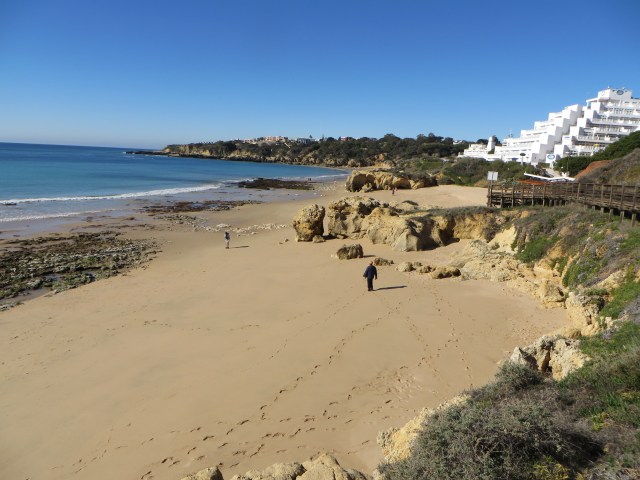


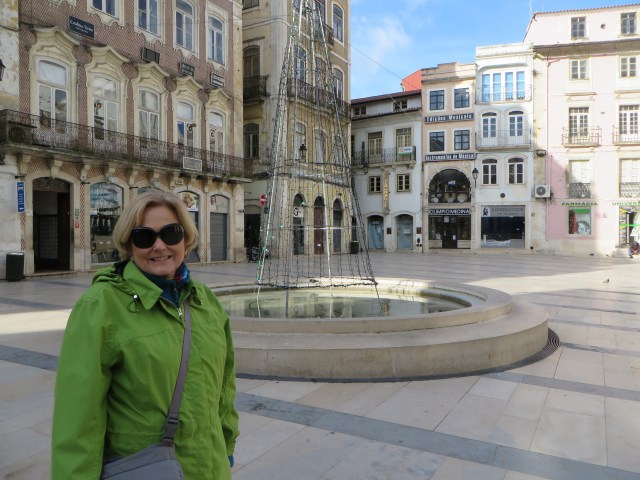 There’s an old Portuguese saying that goes something like: “Lisbon plays, Braga prays, Porto works and Coimbra studies”. T and J aren’t sure how much studying actually goes on in Coimbra but the city certainly has the oldest and most famous university in Portugal.


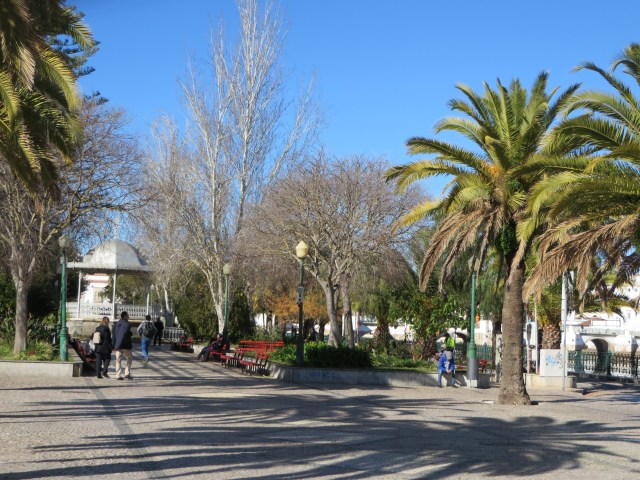 Tavira is a small town of about 26,000 along the southwestern coast of Portugal and was the first stop in the Algarve region for our travel-junky pair. There’s nothing especially zippy going on in Tavira and the that seems to suit the local residents just fine, thank you. It’s one of those places in the Iberian Peninsula that follow a similar pattern of history. The Phoenicians were here. So were the Romans. And the Moors. Then the Moors were pushed out by the Christians. We’ve seen the drill so many times.




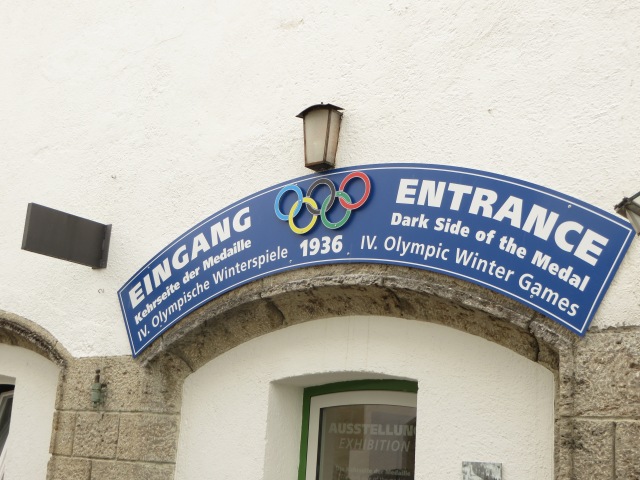
 The Olympic stadium is still there, as well the modernized ski jumping platforms.
 The area is still a winter playground and visitors can just imagine what the games must have been like in those years before the start of World War II. German Chancellor Adolf Hitler opened the games and there would not be a Winter Olympics for another 12 years until St. Moritz hosted them in 1948. Just as in the 1936 Summer Olympics held in Berlin later that year, the clear purpose of these games was to showcase the Nazi regime and its athletic and political superiority rather than today’s games which are more focused on unity and peace.


 Never Left Home