Bad König: In Search of the Bath King

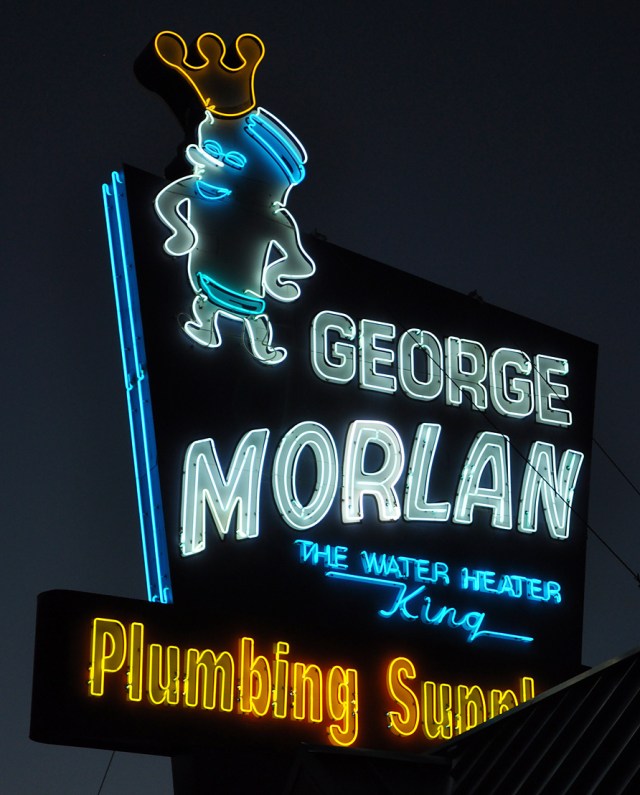
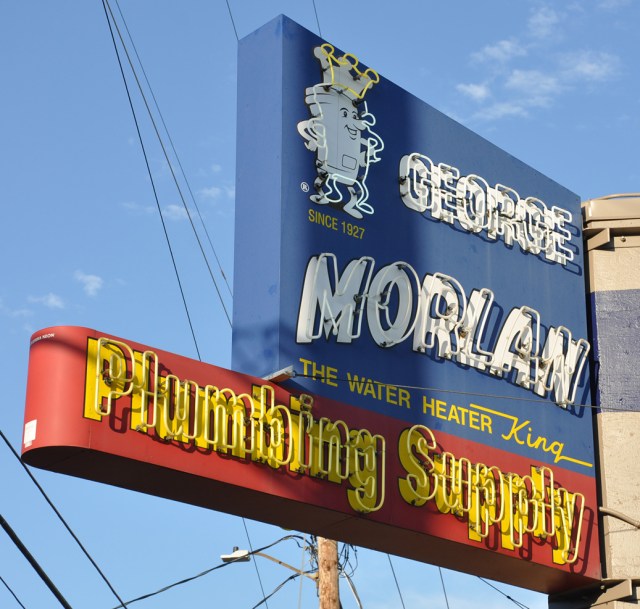
In our hometown of Portland, Oregon, we have a local plumbing supply store icon, George Morlan, otherwise known as “The Water Heater King”. gmorlanSo, we were intrigued to discover an old town nestled in the countryside of Hesse called “Bad König” or Bath King. Wow! Who could this king of all things bath-related be? And, was he as famous as our own George Morlan? Or, maybe, was it that some other note-worthy king used to bathe here? We had to find out.
What we discovered was a cute little place, off the beaten path, that seems to be a destination of sorts for people wanting to soak and relax. The two biggest spas in town are the Frei Bad, more of a swimming pool than spa,DSC_0349and the Odenwald Therme, where folks can enjoy the sauna, get a massage and even swim to live music on some nights.

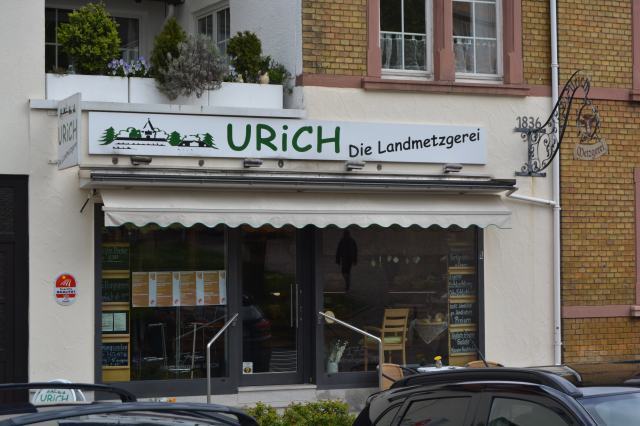
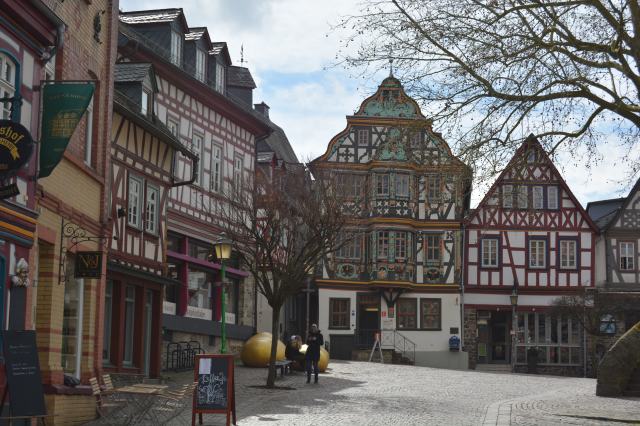
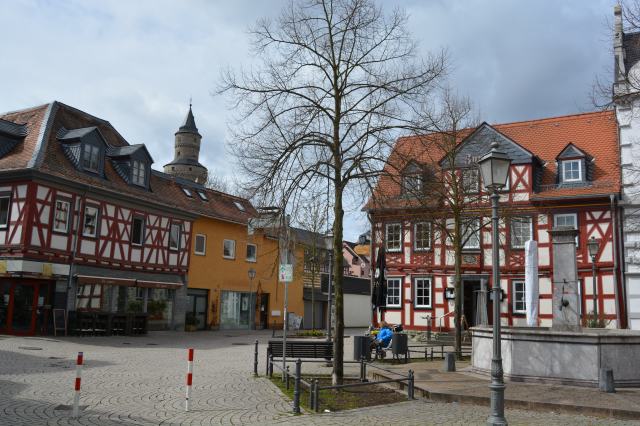
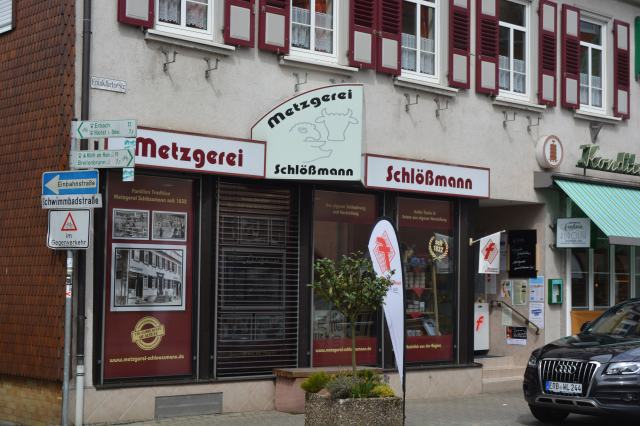
We love getting first impressions of a place—to somehow get a sense of what’s up. As for Bad König, the first thing one notices is the abundance of butcher shops.DSC_0329DSC_0334For all its industrialization, Germany’s rural regions remain fiercely attached to farm products produced locally. Just as wine lovers have favorite regional varietals, we’ve had German friends extol the virtues of steaks derived from beef raised in a certain town and sold by a certain butcher.
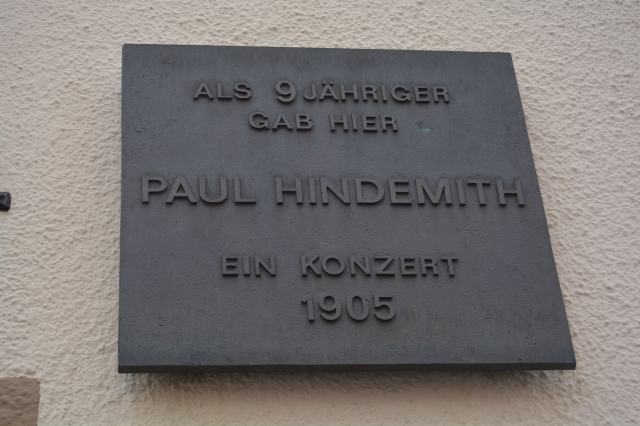
While strolling through town, we noticed two historical markers. The first, noted that in 1905, a nine-year old named Paul Hindemith performed a concert in town. We had never heard of Hindemith but later found that he was a famous German composer, violinist and conductor. DSC_0330
The other marker explained how some members of Dutch royalty had visited the town in the late 1890’s. DSC_0339OK, at last here was some connection to the Bath King, or at least to kings who had bathed here. But since the town has been around since 820 AD and has been called “König” since the early middle ages, the Dutch royal connection seemed tenuous.

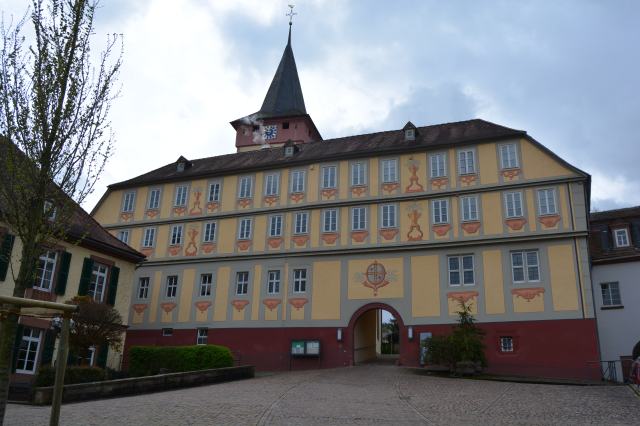
The place has an attractive Schloss however, built in the the 18th century.DSC_0335
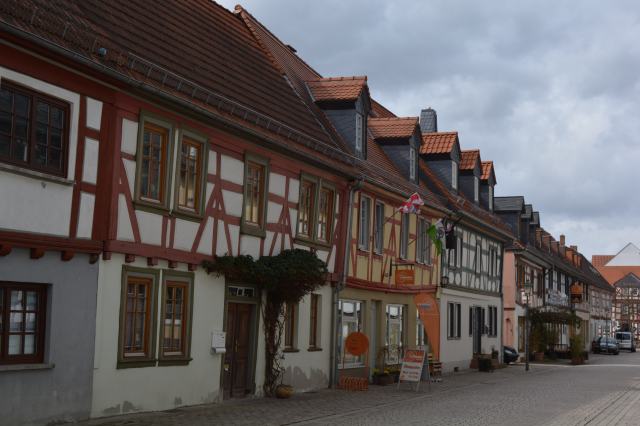
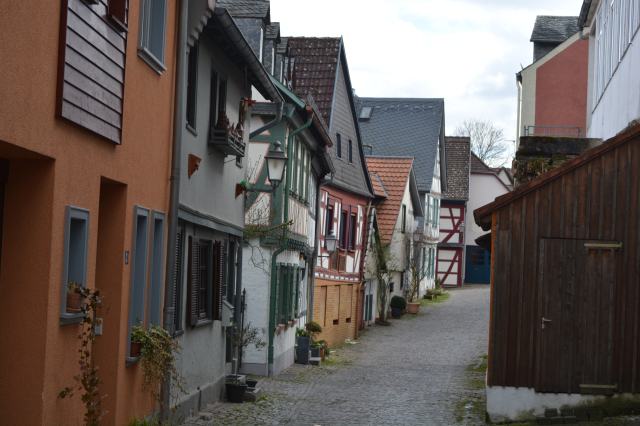
And, we had a pleasant afternoon checking out the rest of Bad König.

Alas, we found no Bath King. For now, we’ll just have to be satisfied with George Morlan. nmorlan
Posted in Europe, Germany | Leave a comment

Going Down the Drain in Paris

Ah, Paris. The City of Light, of romance. The most popular city in the world for people seeking love, joy, beauty and the chance to tell their friends that, yes, they were in Paris last week. OK, that’s all fine. The Eiffel Tower, the Orsay, the Louvre, Notre Dame. All worthwhile things to see. But once you’ve experienced all that, what’s left? I’ll tell you what. It’s the SEWER!!IMG_2361

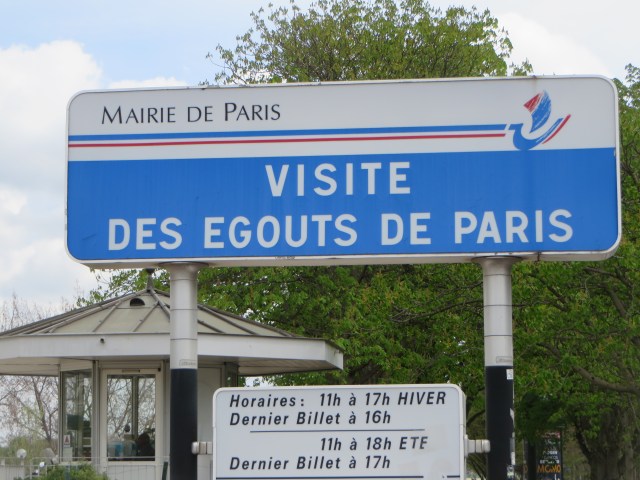
There are over 2 million people living in Paris. Plus, the city gets over 32 million tourists each year. All these people are busy eating, drinking, showering and doing their daily business. Parisians and visitors alike just go merrily along flushing without a care. Well, where does all this waste water go? It has to go somewhere. So, Jay did a little investigating to see for himself. Because it was his birthday, Tanya indulged Jay’s enthusiasm and accompanied him on one of the most interesting tourist sites in Paris, Des Egouts de Paris.IMG_2362

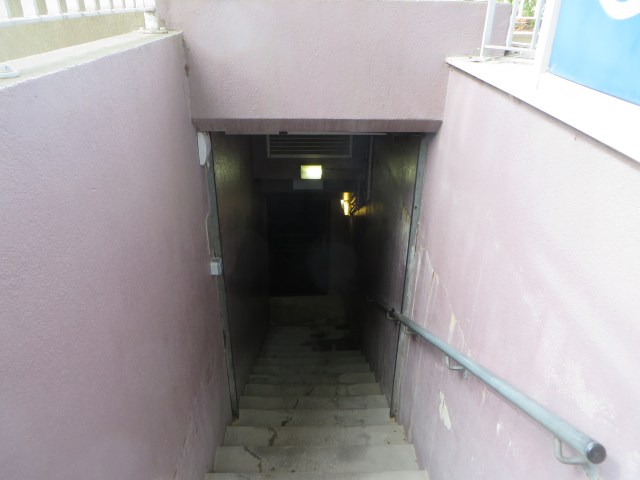
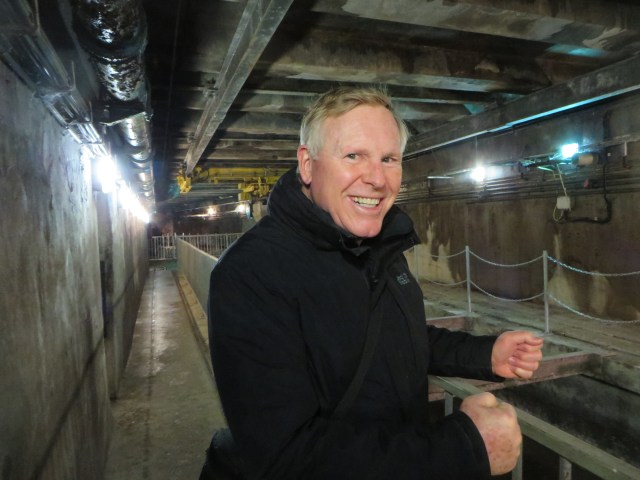
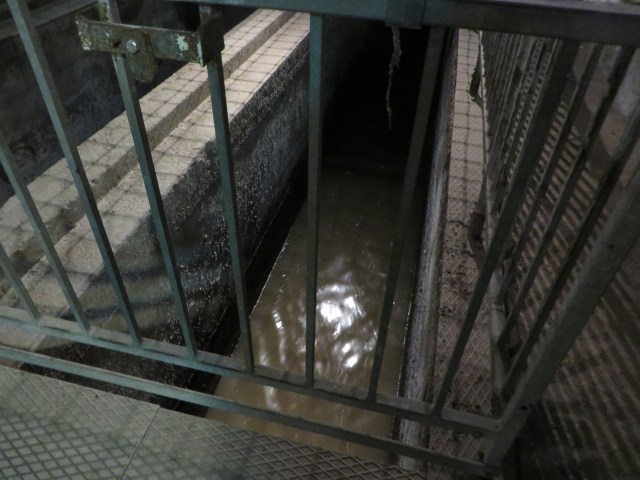
Flushed with excitement, we entered the doorway to this underground paradise. Where else can you get such fun for €4.40? IMG_2371I like to think of the Paris sewer as a metaphor for France itself. I’m not referring to the country going down the drain. No, I mean how the sewer represents the whole concept of Liberté, Égalité, Fraternité. Just think of the equalizing effect the sewer has on the French psyche. Whether one is a politician, rock star, fashion model or just plain Jacques dans la rue, your effluent is all the same here. It’s just one big, flowing, brown river of waste. It matters not who generated it.IMG_2373IMG_2376IMG_2374
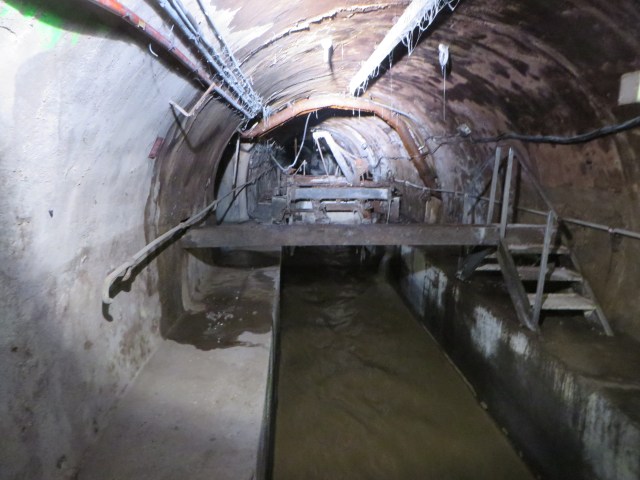
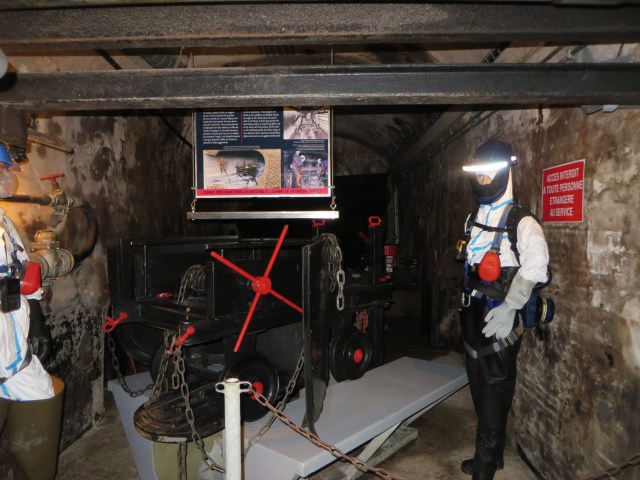
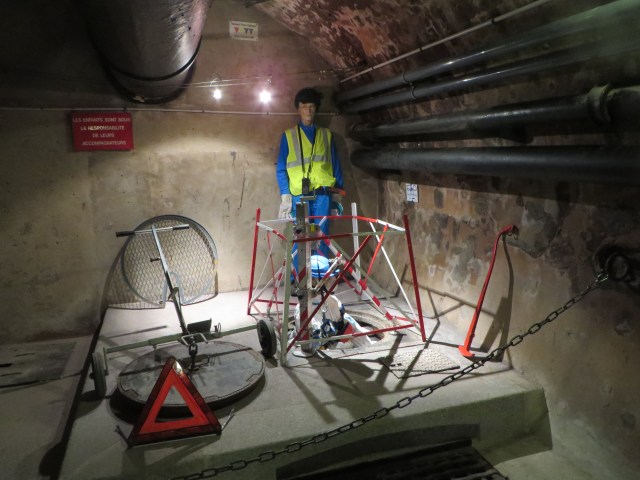
The Paris Sewer Museum does an adequate job of telling the story of the Paris sewer through several displays, photos and mannequins of diligent sewer workers going about their tasks. One can imagine how Ralph Kramden’s neighbor Ed Norton spent his days.IMG_2366 IMG_2363IMG_2375And, what proper museum doesn’t have a gift shop strategically stationed at the end of the tour, complete with showcase of souvenirs like this life-size rat. IMG_2380The sewer does smell, well, like you’d imagine a sewer should smell. But the lone gift shop employee, who endures this all day long, doesn’t seem to mind.IMG_2381

Now, we never did really determine where all this stuff ultimately goes. I assume there must be some wonderful master waste treatment facility somewhere down the line, presumably out in the ‘burbs somewhere. But, for Jay, just experiencing this segment of the product’s journey was enough. As we emerged from the bowels of the city, back into the April Paris sunlight, Jay had a new appreciation for what lies under the City of Lights. Tanya was just happy to be above ground again. Now, off to lunch.

Posted in Europe, France | 1 Comment

The Witches of Idstein

Idstein is a pretty little town about 20 minutes by car from Wiesbaden.

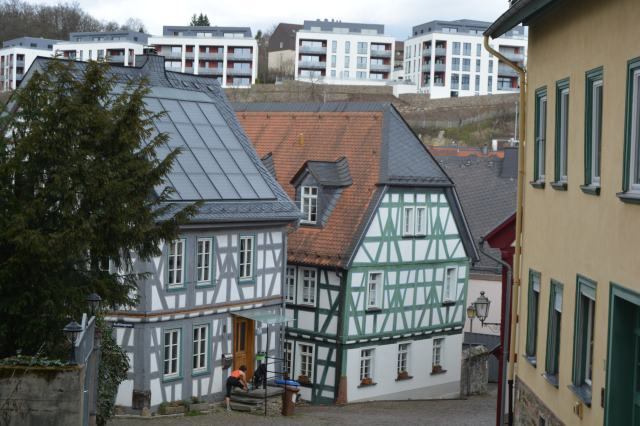
It is charming and appears to be a very popular location for the construction of upscale condos, providing residents with an easy commute to Frankfurt. The new construction overlooks the old medieval town center and one would expect that the downtown core would be bustling.DSC_0318DSC_0313

But when Jay recently walked around Idstein’s old town he found it disconcertingly quiet and actually a little eerie. It was late morning on a weekday, a time that usually would mean local merchants actively catering to customers. He expected to see what he often sees in other towns, people shopping, chatting and going about their day. But, for all its charm, Idstein was strangely vacant.DSC_0326DSC_0324DSC_0323DSC_0322DSC_0316

Jay then noticed the primary landmark of Idstein, the Hexenturm, or Witches Tower. The tower was first built in 1170, and despite its name, it never housed any witches. DSC_0297But as he walked around the area surrounding the tower, he noticed a plaque. It was a memorial to the people who were burned at the stake for being witches in Idstein. DSC_0298

Jay’s subsequent research revealed that between February 1676 and March 1677, between 38 to 43 witches (both men and women, but mostly women) were executed near where he stood. This was a period in German history when witch trials were in full swing and Idstein had a particularly strong supporter of witchcraft removal in their local noble, Count Johannes of Nassau. Since 1630, old Johannes had been ordering his protestant pastors to preach against the evils brought on by witchcraft and trials had been going on for over 40 years before things really got going in 1676. Fortunately for surviving witches, Johannes died in 1677 and the witch trials stopped.

Some people think Idstein is still haunted by the ghosts of the executed witches. While Jay doesn’t particularly subscribe to this theory, it might partially explain why the place was so quiet when he visited. His visit to Idstein  kindled his interest in the subject of witches and witchcraft, and more importantly, why otherwise rational human beings would believe their neighbors were witches and call for their execution.

But don’t let the stories of ghosts and witches stop you from visiting Idstein. Maybe just don’t go after dark.

Posted in Europe, Germany | Leave a comment

Würzburg is not a mountain of sausages

Jay is a linguist at heart. He loves words, especially those not of his native English. He loves the funny ways he can pronounce them and give them meanings that are most likely only funny to him. Tanya says he’s a geek. She’s right, of course, and is entitled to label him as such, especially since she endured the three years Jay spent in the applied linguistics department at Portland State University getting his masters degree. And so it is that every time Jay hears the name of the city Würzburg, he can’t help but think of a mountain of sausages. Now, to be sure, there is no “Wurst Berg” anywhere to be found in this medieval city of 125,000 located midway between Frankfurt and Nürnberg. Actually, the town’s name was derived from the word, “Würze”, meanings herbs or spices, so etymologically the town is really “Herb Town”. But one can buy sausages here so, to Jay, it will always be “Sausage Mountain”.

Würzburg is really a pretty popular tourist destination, so we can’t put it in the “under the radar” category. It is a beautiful city, especially when one has to remember that over 90% of its buildings were destroyed or seriously damaged on March 16, 1945 during a 17-minute aerial bombardment carried out by 225 British bombers. Over the next 30 years, the town was meticulously restored, including the magnificent Würzburger Residenz, built for two prince-bishops between 1720 and 1744. The palace is now a UNESCO World Heritage site.

There are also some beautiful churches, including the Würzburg Cathedral.


The tragedy of World War II aside, Würzburg has had a colorful history. In the 14th century, its citizens revolted against the prince-bishops several times and battles were fought here during the German Peasants’ Revolt of 1524-1525. Between 1626 and 1631, nearly 800 witches were burned during the Würzburg witch trials. In the early 1800’s, it became part of Bavaria, a couple of different times. Today, one of Würzburg’s big claims to fame is that it is the home of NBA basketball player, Dirk Nowitzki of the Dallas Mavericks.

The old bridge, spanning the Main River, is a smaller version of the Charles Bridge in Prague. It’s a popular place for folks to gather and share a glass of wine and conversation. While we were there, we watched as a river cruise ship carefully negotiated the locks as it sailed upriver.

So, without making a mountain out of a molehill, or a mountain out of sausages, our recommendation is to put Würzburg on your German holiday itinerary. What’s the Wurst that could happen?


Posted in Europe, Germany | 4 Comments

Esslingen am Neckar: Another UNRAD

In our ongoing quest to find worthwhile “under the radar destinations” or UNRADs, we recently uncovered a cute little gem of a town just 14 km south of Stuttgart. While little Esslingen was once a major trade center in the middle ages, it now is essentially just a pretty little Stuttgart suburb. A big difference though is that while Stuttgart was largely rebuilt after 1945, Esslingen suffered very little damage and its medieval city center has a charm that Stuttgart simply cannot match. It is every bit as charming as some of Germany’s more heavily touristed towns, such as Rothenburg ob der Tauber and not nearly as crowded. The town has several excellent restaurants serving regional and international cuisine. Another big plus for Esslingen is that it is very close to Mercedes Benz’ headquarters and the fabulous Mercedes Museum. The Porsche headquarters and museum is also a short drive away.


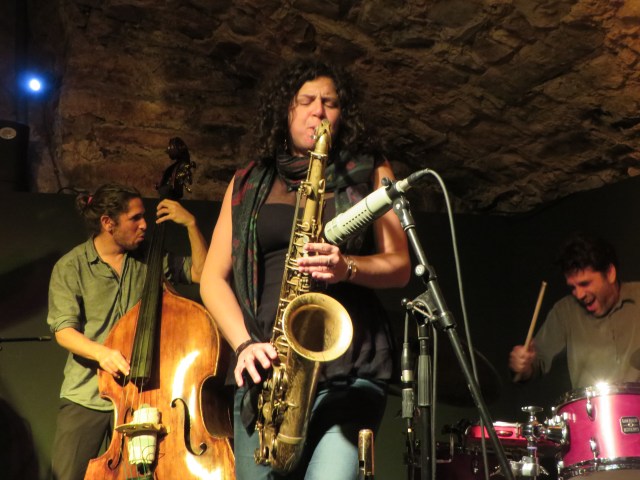
For us, the big draw however was Esslingen’s Jazz Keller, a terrific club venue for live jazz. This weekend we heard our friend, Anat Cohen, play with her quartet. IMG_2317

Our recommendation is that if you’re going to Stuttgart as a tourist, and especially if you are there to visit the Mercedes or Porsche plants, stay in Esslingen and take the train wherever you want to go. You’ll find your visit much more rewarding and relaxing.

Posted in Europe, Germany | Leave a comment

The Jazz Cruise 2016

Earlier this year, we spent seven days at sea with some of the finest jazz musicians in the world. Immersing ourselves in the music and the jazz family practically non-stop all day and night for a week was definitely a peak life experience for us. There is absolutely nothing to compare with the joy and connectedness with the artists one feels in a setting like this.

Now, we know lots of people turn their noses up at cruises and cruise ships in general. “It’s not really travel”, “It’s too confining”, “It’s too stuffy” are some of the common criticisms. But when you’re on a jazz cruise, the whole point is the music. The destination ports were really irrelevant. Where the heck were we? The ship could just as well have stayed at the dock in Florida or just chugged around in circles for a week and most of us wouldn’t have known the difference. In what other venue could we have chatted with Kurt Elling while standing in line ordering a pizza and then enjoy his singing a couple hours later? Or, seeing Jeff Hamilton and Joey Defrancesco enjoying cigars together on the Lido deck? Or having breakfast with Anat Cohen’s mom, sharing a story with John Pizzarelli. It goes on and on. Not crazy about the trio playing in the lounge? Well, just go up a couple decks to the Crow’s Nest to hear any one of a number of the top jazz talents on the planet. It was amazing. Here’s just a sampling of the week.

Posted in USA | 3 Comments

Images of Key West, Florida

What images come to mind when you hear the name “Key West”? For us, in no particular order, we’ve always thought Hemingway, hurricanes and of the end of a long road extending into the Gulf of Mexico from mainland Florida. Beyond that, it seemed to be a place where quirky folks just sort of hung out, smoking dope and drinking margaritas; a place where chickens freely roam the streets undisturbed.

IMG_2272

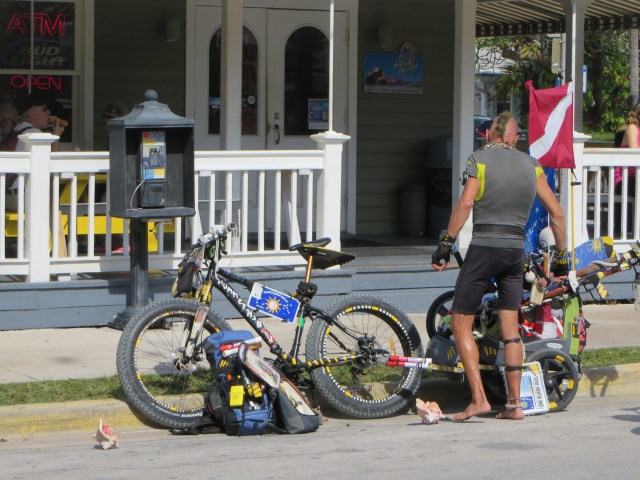
Not quite sure what this guy’s doing. Selling conch shells? Well, at least he’s got his diver flag up for safety.

IMG_2278

IMG_2282

Free range (or free street) chicken

IMG_2284IMG_2286

A day visiting Key West five weeks ago brought all those images to life, and created some new ones. For one, we were surprised at the close cultural connections between Key West and Cuba. Sure, we always knew Havana was only about 90 miles away, but we never really thought about the ties between the two islands. For one, Key West is closer to Havana, by distance, than it is to Miami.

IMG_2268

No, we don’t know this guy. He just happened to get in the way of the camera.

In 1890, half of Key West’s residents were of Cuban origin and a strong Cuban influence continues today. José Marti, a hero of the Cuban War of Independence against Spain founded the Cuban Revolutionary Party during his visits to Key West. Key West had a booming Cuban cigar manufacturing industry until the early 20th century.

IMG_2279IMG_2280

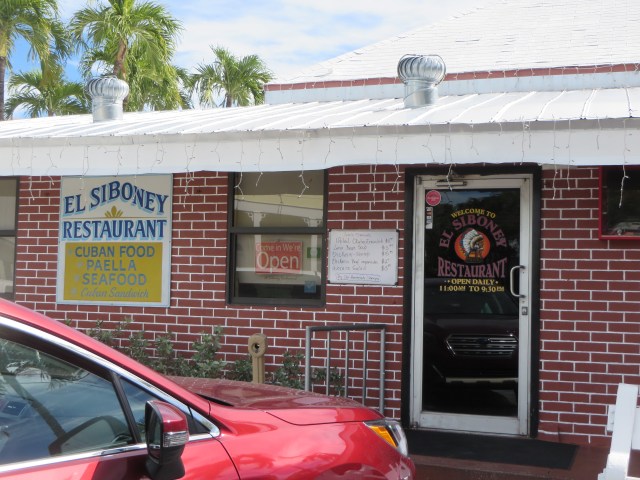
One of the real joys of discovering today’s Key West however is having the chance to enjoy some delicious Cuban cuisine. One neighborhood place we just happened upon for lunch was El Siboney. The braised oxtail and shredded pork with fried plantains and yellow rice were incredible. IMG_2276

IMG_2273

Braised oxtail….to die for.

IMG_2274

We look forward to our next visit and to creating some more images of this truly unique corner of America.

Posted in USA | Leave a comment

Catching up with an old friend in the Dominican Republic

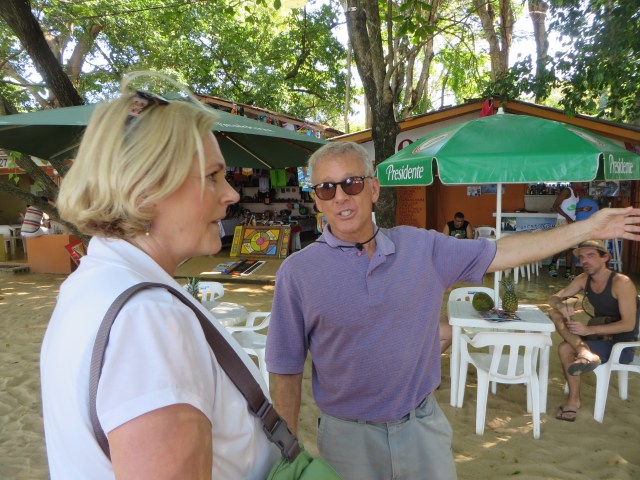
Tropical breezes, sunshine, laid-back lifestyle…what more is there to want? A college buddy of Jay’s, whom he hadn’t seen since at least 1989, has lived in the Dominican Republic for the last five years. We decided it was high time to visit him and check out his lifestyle. He lives near the beach in the north coast town of Sosua and says he loves his retirement in this tropical paradise. We believe him. On this trip we were only able to spend the day visiting with him and seeing a little bit of the north coast. But we’ll be back.IMG_2148IMG_2152IMG_2153IMG_2158IMG_2159IMG_2160IMG_2164IMG_2168

The Dominican Republic is one of those places that has been getting more attention over the last several years, with most people heading straight to the upscale all-inclusive resorts at Punta Cana along the eastern tip of the island. That’s fine, but as with any all-inclusive arrangement, people often don’t see any more of the country than the beach in front of their hotel. That’s a shame because there really is a lot of beauty in this country. Yes, most people are poor by Western standards. The country ranks as the third poorest in the Caribbean, behind Haiti and Jamaica. But for visitors who are willing to get out of their comfort zone they’ll find the country and meeting its people a rewarding experience.

Posted in Uncategorized | 2 Comments

Fasching in Wiesbaden

Fasching, Karneval, Fastnacht…different regions of Germany have different names for these annual days leading up to Lent. But the overall concept is the same…partying, costumes, drinking and parades.

Wiesbaden had its own parade last Sunday and while the crowds seem to be a bit smaller this year, there was no shortage of fun. Here is a photo sampling of the day.

IMG_2289IMG_2298IMG_2313IMG_2300IMG_2303IMG_2304IMG_2314


Posted in Europe, Germany | 2 Comments

Trabants, Ostalgia and Refugees

A few weeks ago, I was walking down the street in beautiful downtown Görlitz, the easternmost city in Germany. I saw this vehicle parked along the curb and I couldn’t believe what I was seeing. Could it be? Was it real? Yes, to my wondering eyes I beheld that masterpiece of east German auto engineering…..the Trabant! Over 3 million of these little jewels were produced in East Germany over a period of nearly 30 years. And, this Trabbi sedan was in pretty good shape.trabant-p-601-01

Disclaimer: This is not the actual car I saw, but very similar.

To be sure, the Trabant was a pretty basic car and it became the butt of lots of jokes during its lifetime. The final Trabbis produced delivered a whopping 26 horsepower and could go 0 to 60 in 21 seconds. They had a two-stroke, two-cylinder engine that belched smoky exhaust, primarily because oil had to be mixed with the gasoline to fuel the air-cooled engine. It had no fuel pump so the fuel was gravity-fed to the carburetor by placing the fuel tank above the motor in the engine compartment. Of course, this greatly increased the danger of the car exploding or at the least, catching fire in case of a front-end collision. The body itself was made of hard plastic made from recycled materials, including cotton waste from the Soviet Union. The Trabant was a family car, holding four people, and often East Germans would wait years before taking delivery of this little piece of….heaven.

As I was admiring this vehicle, a gentleman came up to me and proudly told me about the car. Even though this particular vehicle wasn’t his, you could tell he was very proud of the Trabant. He began to tell me all about them and told me that when a family took a long road trip in one of these cars they had to ship their luggage on ahead to their destination because there wasn’t any room in the car. I asked him if this particular car still ran. “Of course”, he said proudly, “It’s a Trabant!”

His obvious pride in a vehicle which wasn’t even his and frankly, was never a very good car, belied a certain longing for a past that he will never see again. We sometimes jokingly call this “Ostalgia”, that longing for a return to the DDR when things seemed so much simpler. I think the changes that have taken place in this region over the last 30 years, and those changes occurring now, explain how and why many people in the former East Germany oppose the massive influx of migrants arriving every day. Change is always difficult, but just think about the changes these folks, in places like Görlitz, have gone through. The DDR was certainly not a bed of roses, but it was their little country. And then in 1989, that all changed. No more East German flags, no more Young Pioneers, no more guaranteed jobs, no more Trabants, no more DDR. And now many east Germans sense that their culture is under threat by the hundreds of thousands of Muslim migrants who are flooding into their country. It makes it a little easier to understand why the anti-Muslim sentiment is higher in east German cities like Dresden and Leipzig than in the western part of Germany. Their home is changing again, and they can never go back.

Posted in Europe, Germany | 7 Comments