Bad Schwalbach: The Empress and the Beer Baron

Just 22 kilometers from Wiesbaden is the 19th century German spa town, Bad Schwalbach. Today, no one pays much attention to this community of 10,000 but in the late 1800’s the mineral baths and beauty of the place attracted royalty and celebrities from all over Europe and the United States. Like many other spa resorts of that time, such as Baden-Baden, or any other German town with the word “Bad” in its name, the glory days before World War I are  gone. Now, instead of being playgrounds just for the rich, anyone can enjoy a place like Bad Schwalbach, complete with hiking trails, gardens and stately buildings.
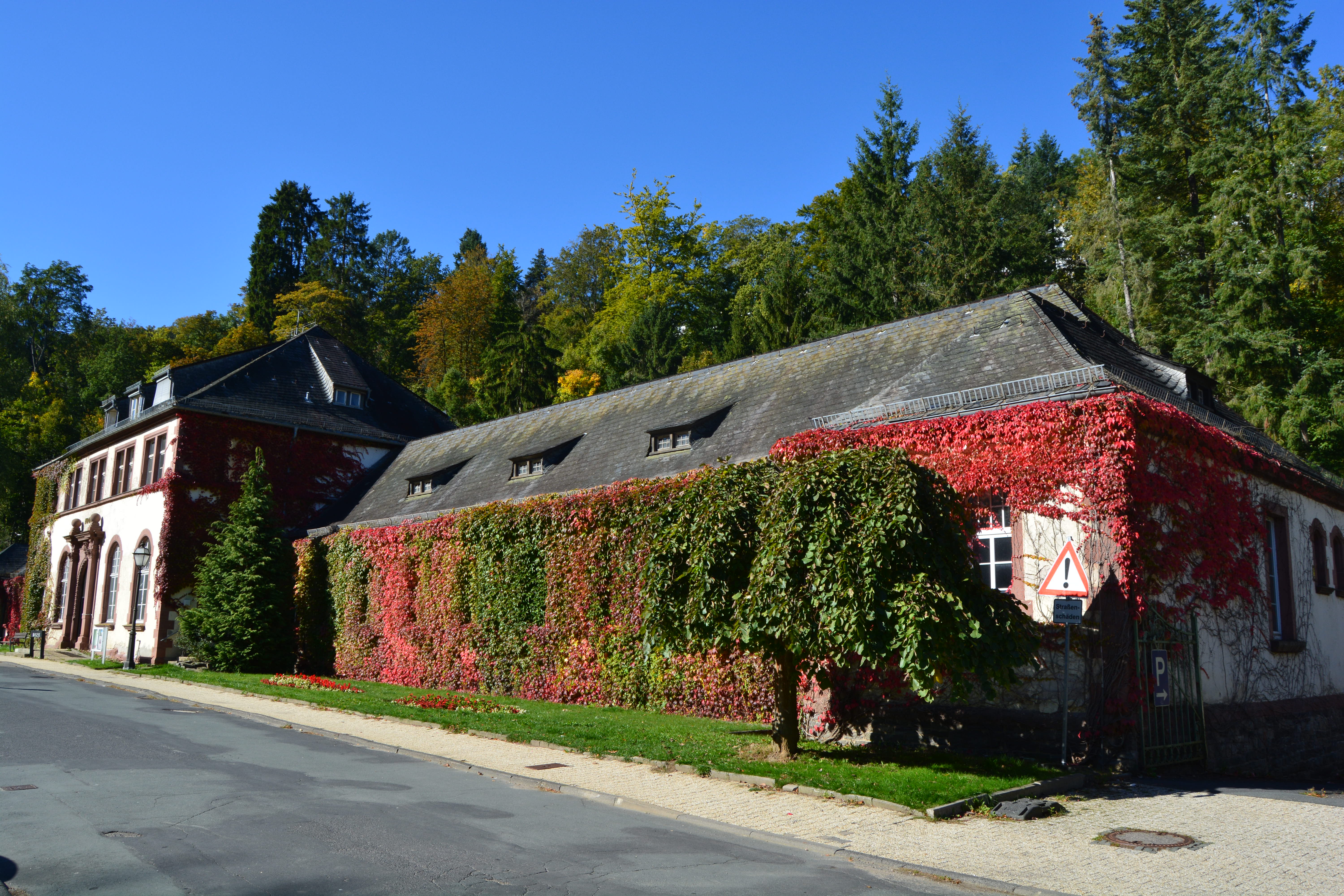
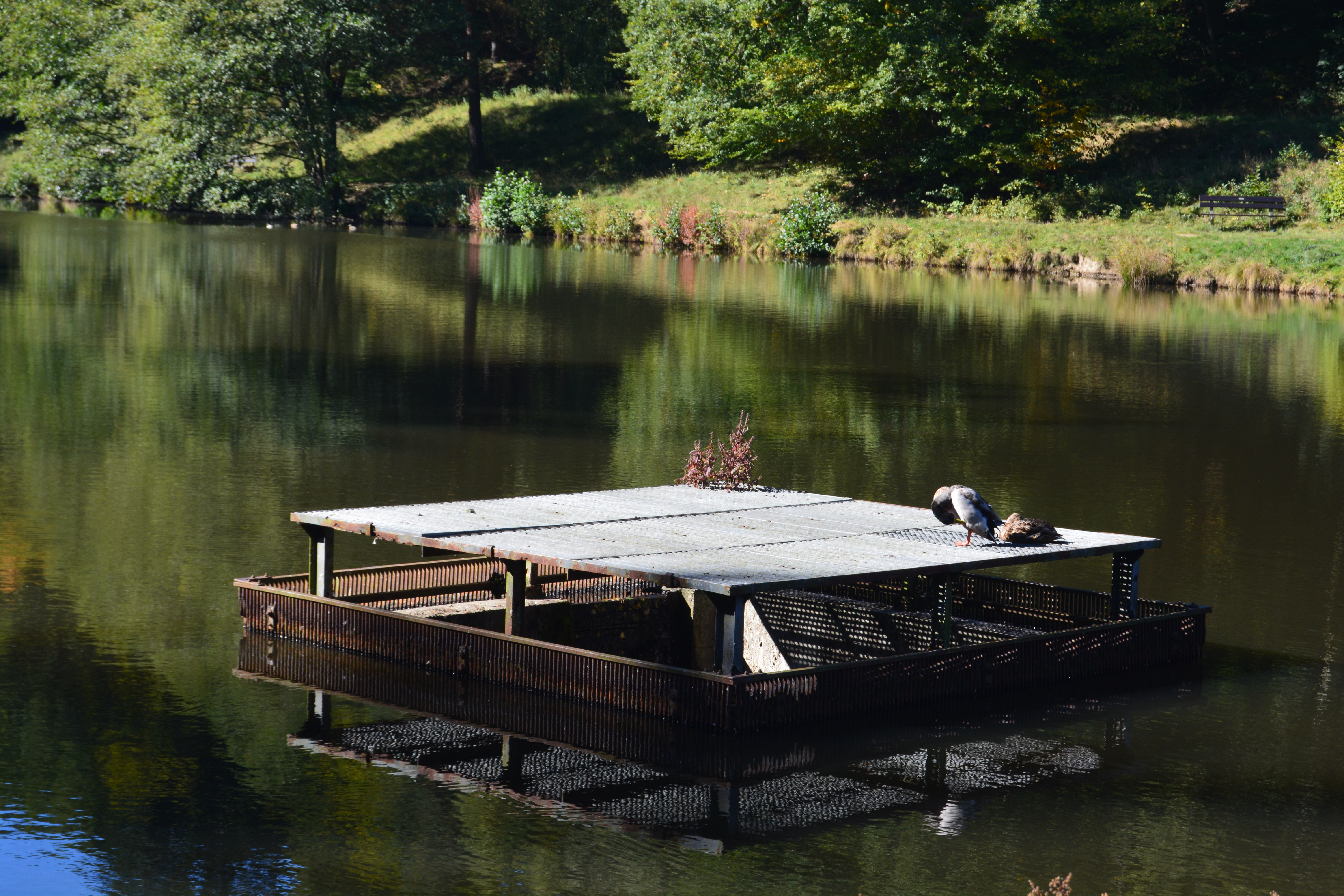
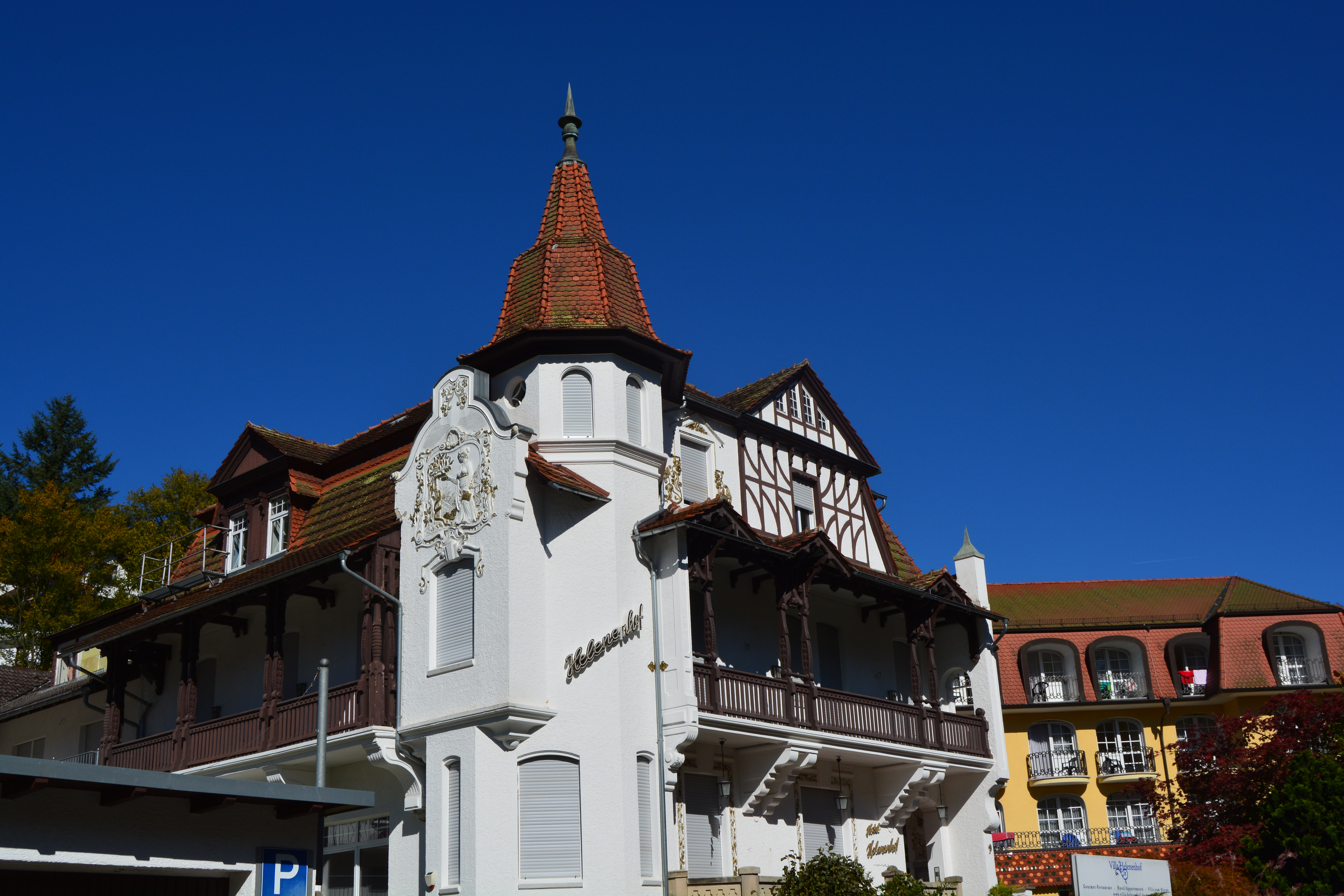
DSC_0150 DSC_0154 DSC_0160 DSC_0162 DSC_0164 DSC_0166 DSC_0167 DSC_0169

But what fascinated us on a recent visit to Bad Schwalbach was a couple of prominent historical figures who have a close connection to the town. The first is the Empress Elizabeth of Austria, or Sissi, as she is often better known.elisabeth_2

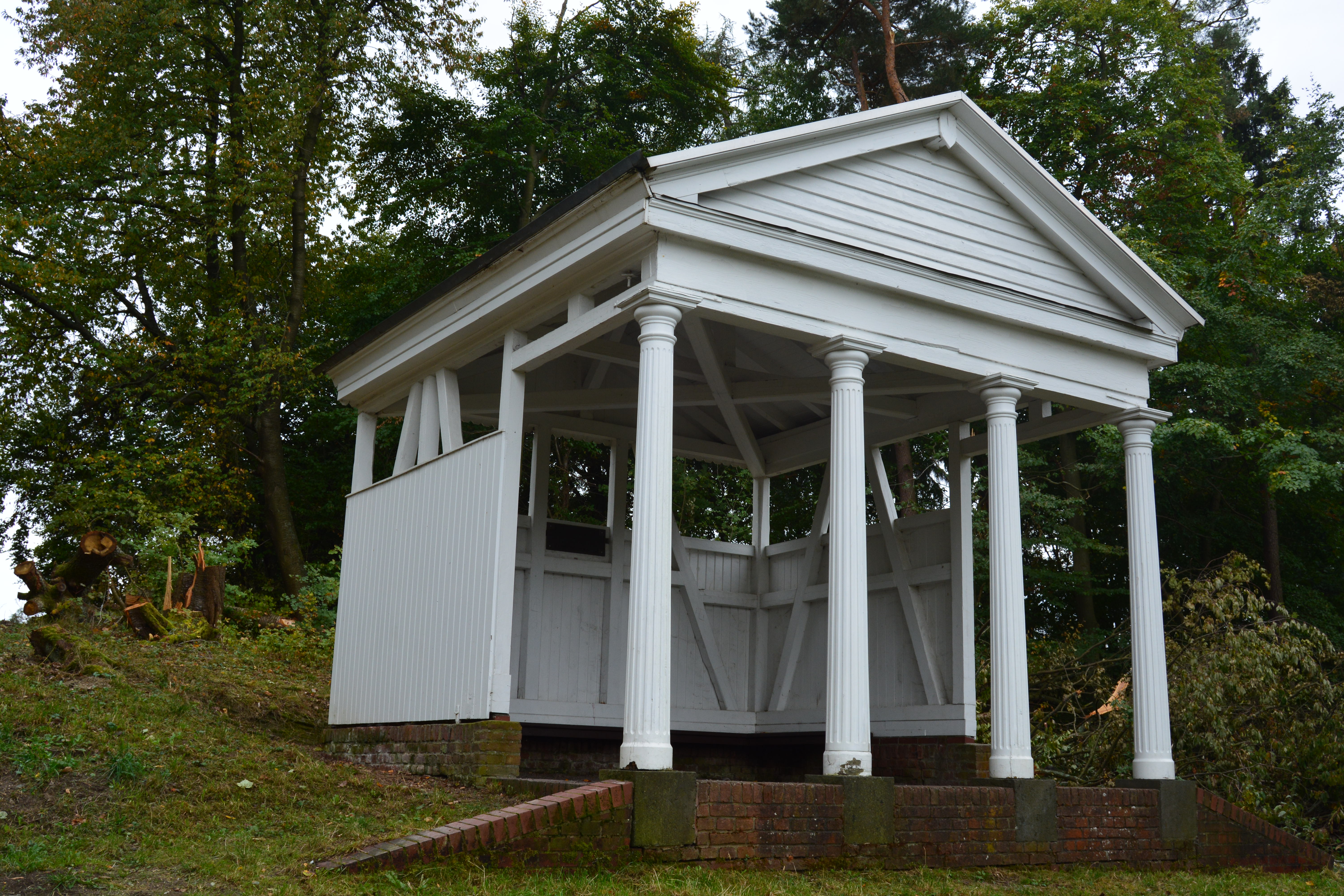
Sissi was the Bavarian princess who married Emperor Franz Josef I of Austria in 1853, when she was only 16 years old. There have been several books and films produced detailing Sissi’s melancholy and eccentric life, most of which was spent away from her husband as she traveled constantly to avoid her step-mother and the confines of court life. Sissi met a tragic end in 1898 when she was stabbed to death by an Italian anarchist while visiting Geneva. But in the few years from 1895-1897, Sissi visited Bad Schwalbach often. She loved the beauty and tranquility of the town and had a small “temple” built for her in the hills overlooking the city, where she could relax and be by herself.

There are essentially no directions to the site today and Tanya and Jay had to ask directions to the temple from a local resident out walking his dog. It’s a somewhat strenuous hike to the Elisabethentempel but it was worth it just to get a sense of its history and to imagine Sissi sharing the same views.DSC_0177DSC_0181DSC_0180
A contemporary of Sissi, Adolphus Busch, also figures prominently in the history of Bad Schwalbach. Busch, of course, is the German-American beer baron who revolutionized the brewing industry in the US and produced the famous Budweiser beer. He left his boyhood home in Mainz-Kastel, Germany, with three of his brothers, when he was 18 and moved to St. Louis. There he met Lilly Anheuser, whose father had a brewery. When his father-in-law died in 1880, Adolphus took it over and renamed it Anheuser Busch Company.Adolphus_busch2

Although there is no evidence that they ever knew each other, Sissi and Adolphus were born only two years apart and he visited Germany often after he accumulated his wealth in the US. He was a close friend of the German emperor and so it is quite possible that Sissi and Busch had met. Undoubtedly, they knew of each other.

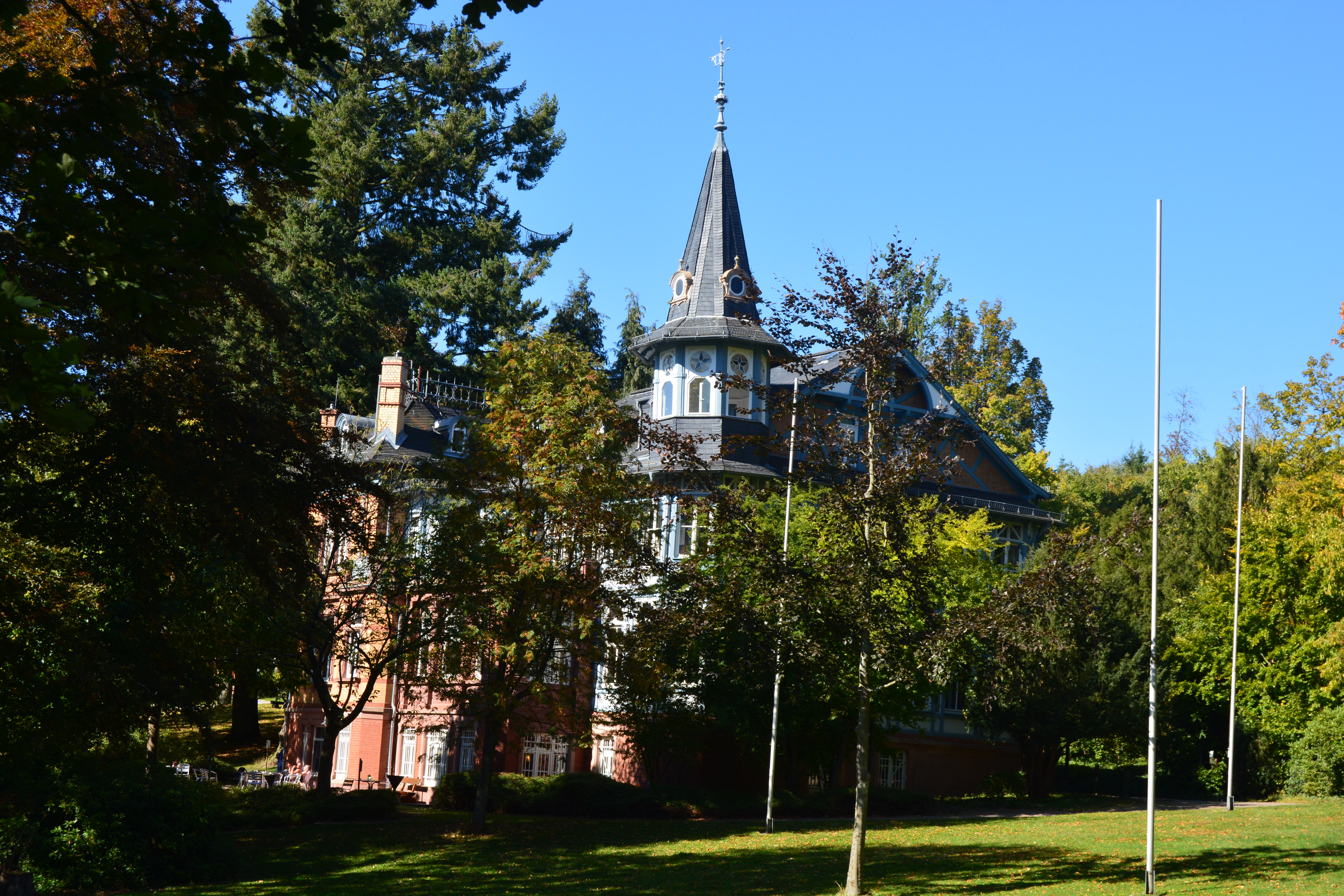
On one of his visits back to Germany, Busch bought an estate just outside Bad Schwalbach and named the main house, Villa Lilly, after his wife. He died in the house in 1913 and was later buried in St. Louis in 1915.DSC_0174
Beer baron, empress, famous spa resort—-you never know what history is all around you until you start snooping around.

Posted in Europe, Germany | Leave a comment

Under the Radar Destination: Alzey

There has been a lot of discussion in travel blogs lately about how over-crowded popular destinations have become and how this has degraded the travel experience. We talked about this in an earlier posting: https://neverlefthome.com/2015/05/07/crowds-and-travel-now-and-future/

It’s true that the savvy traveler must now be pretty clever to figure out what time of day is best to visit the Louvre, for example, or when to scale the walls of old-town Dubrovnik without the body crush of other travelers. It has been suggested that some A-list destinations, like Venice, must impose limits on the sheer numbers of visitors just in order to function at all.

But we’ve always been a sucker for out-of-the-way places, those places that are under the tourist radar. These might be smaller areas of well-known destinations, but more often these are the towns that are not usually mentioned in guidebooks and will never be visited on a typical two-week group tour. These destinations are usually judged as being too small, too boring or too culturally insignificant to warrant taking time out of a busy vacation. But practically every place on this planet has something to offer the traveler. These may not even be classified as B or C destinations. They might even be Z-class, but there’s always something there to kindle our imagination, to make us wonder and to enrich us. We’ve decided to call these places UNRADs.

Alzey, an old German town of 18,000, in the state of Rheinland-Pfalz is definitely an UNRAD. On Jay’s visit this week, there were virtually no tourists, with the exception of a walking tour of retired Germans. The tourist information center has one person in the office and she was excited to have him as a customer, probably the only one she would have all day. She gave him a little city walking tour map and guide, in English, and sent him on his way with a smile.DSC_0116

Alzey is a 40-minute drive south of Wiesbaden, easily accessed via autobahn. It’s one of those medieval German towns that’s cute, but not that cute, not in the Rothenburg ob der Tauber cute category. DSC_0128

But this town definitely has a history. It was founded in 233 AD as a Roman settlement and during the middle ages, it served as an administrative center for the surrounding area. Some of the medieval town’s walls still stand.DSC_0137

The “witches’ tower” is near the heart of town and is, of course, where the resident medieval witches were housed until properly disposed of.DSC_0122

The former horse market once operated in the town center and is surrounded by 17th century half-timbered houses.DSC_0106

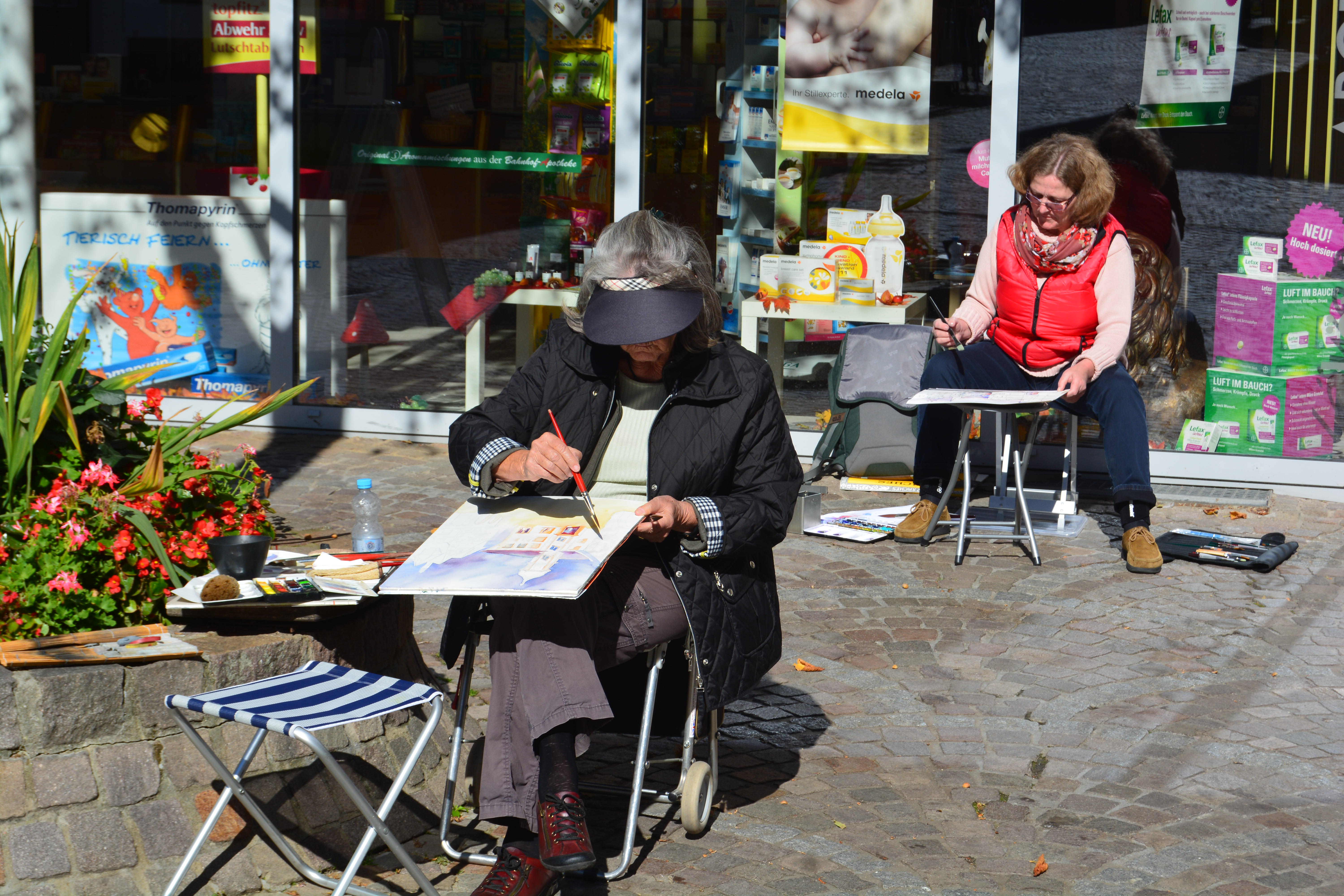
Alzey is really a sweet little place and one gets the impression that despite the relative calm of the main town, there’s a lot going on. There are lots of families and young people around, as well as older folks, like these hobby artists honing their watercolor chops downtown.DSC_0112

DSC_0111

Alzey, a relaxing UNRAD in Rheinland-Pfalz.

Posted in Europe, Germany | Leave a comment

Meeting Our New Future Neighbors From the Past

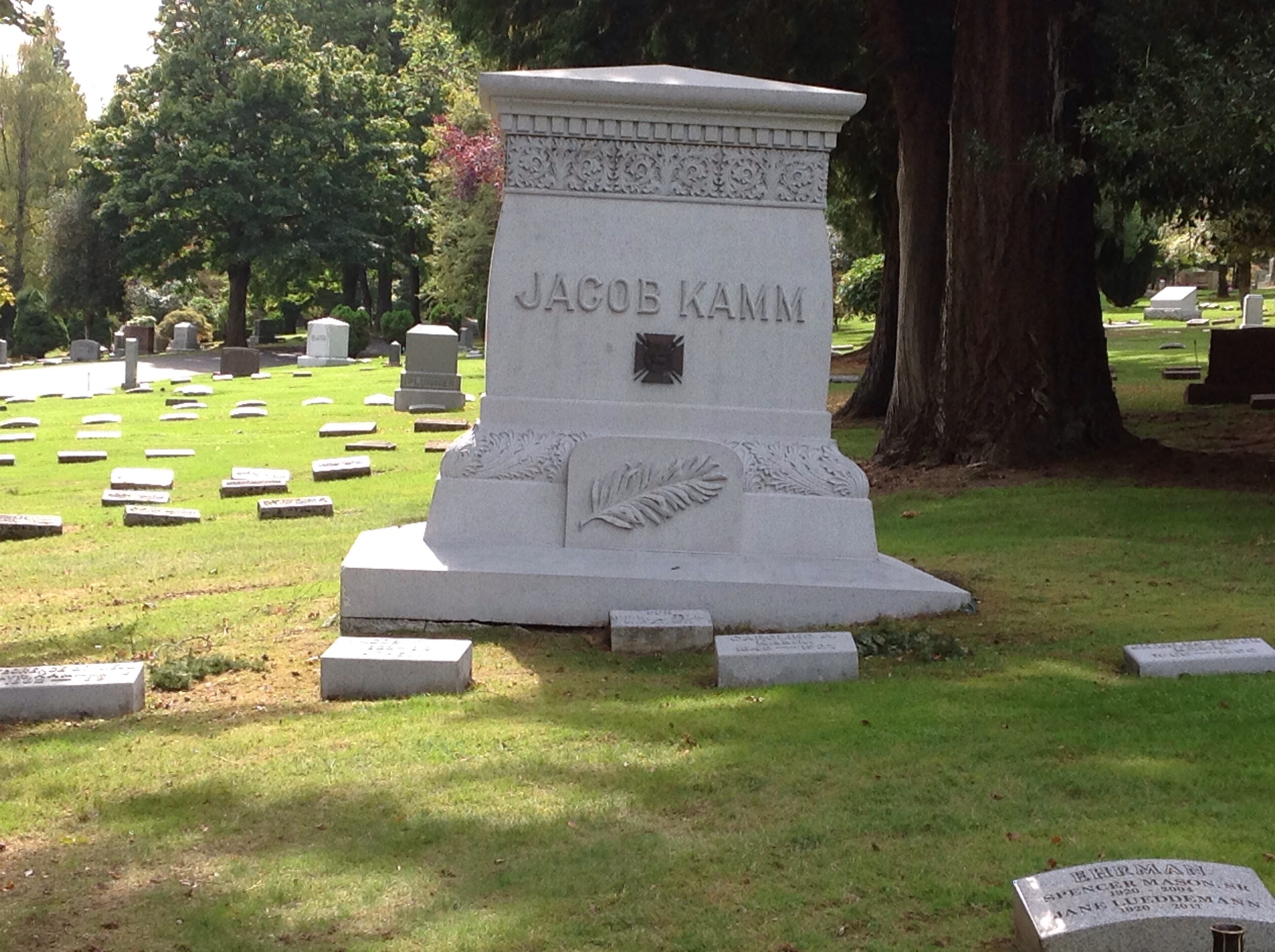
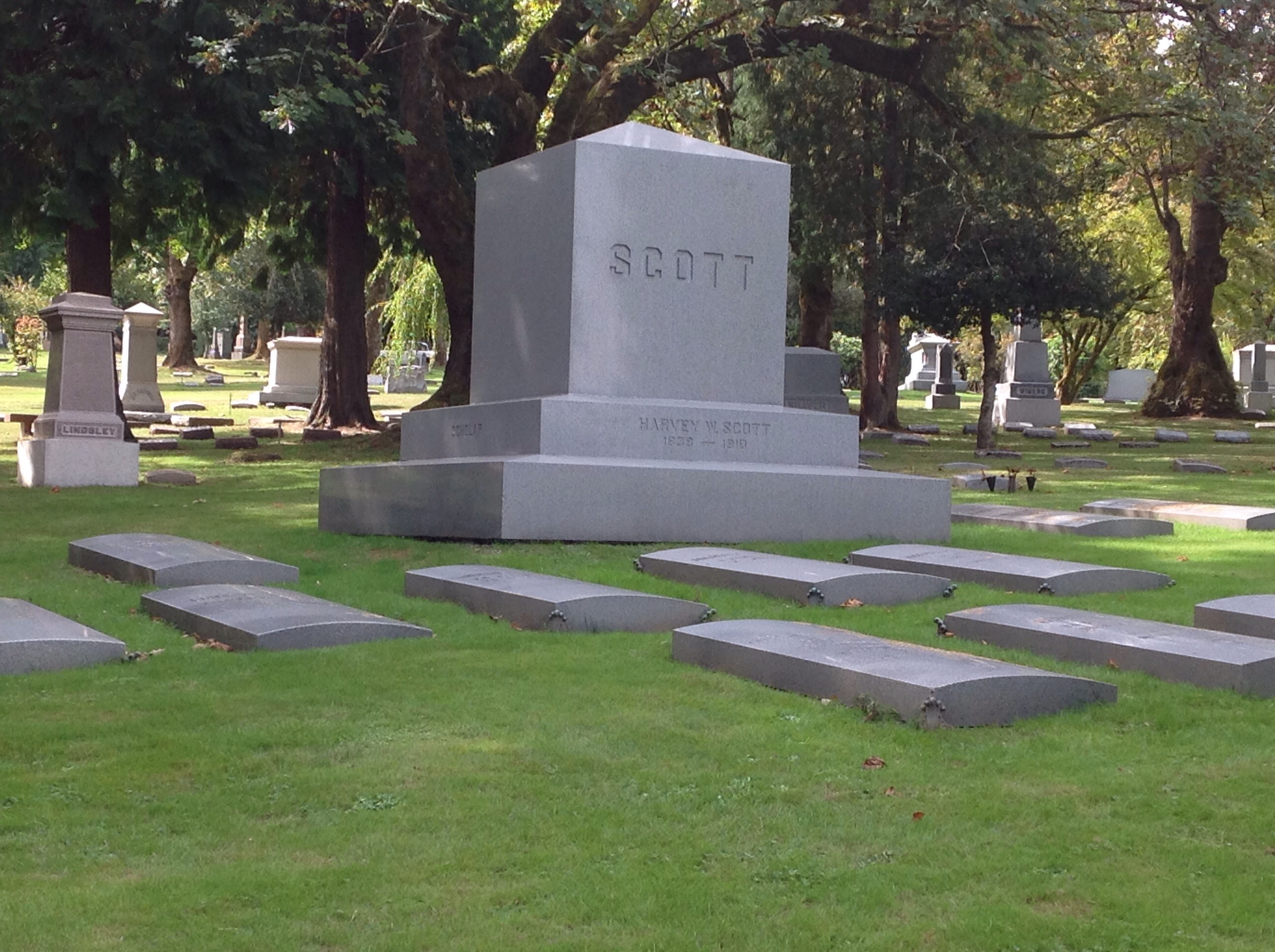
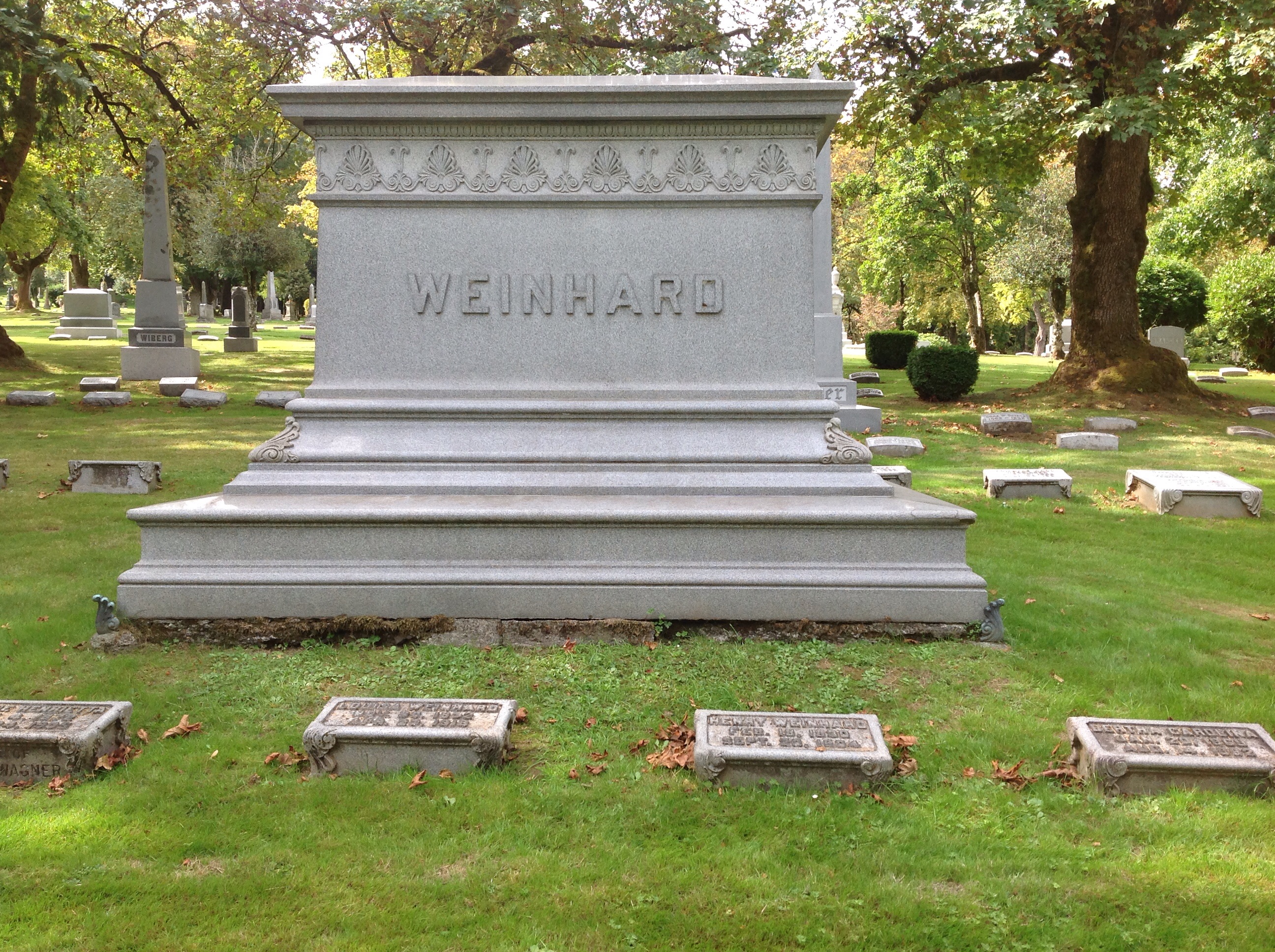
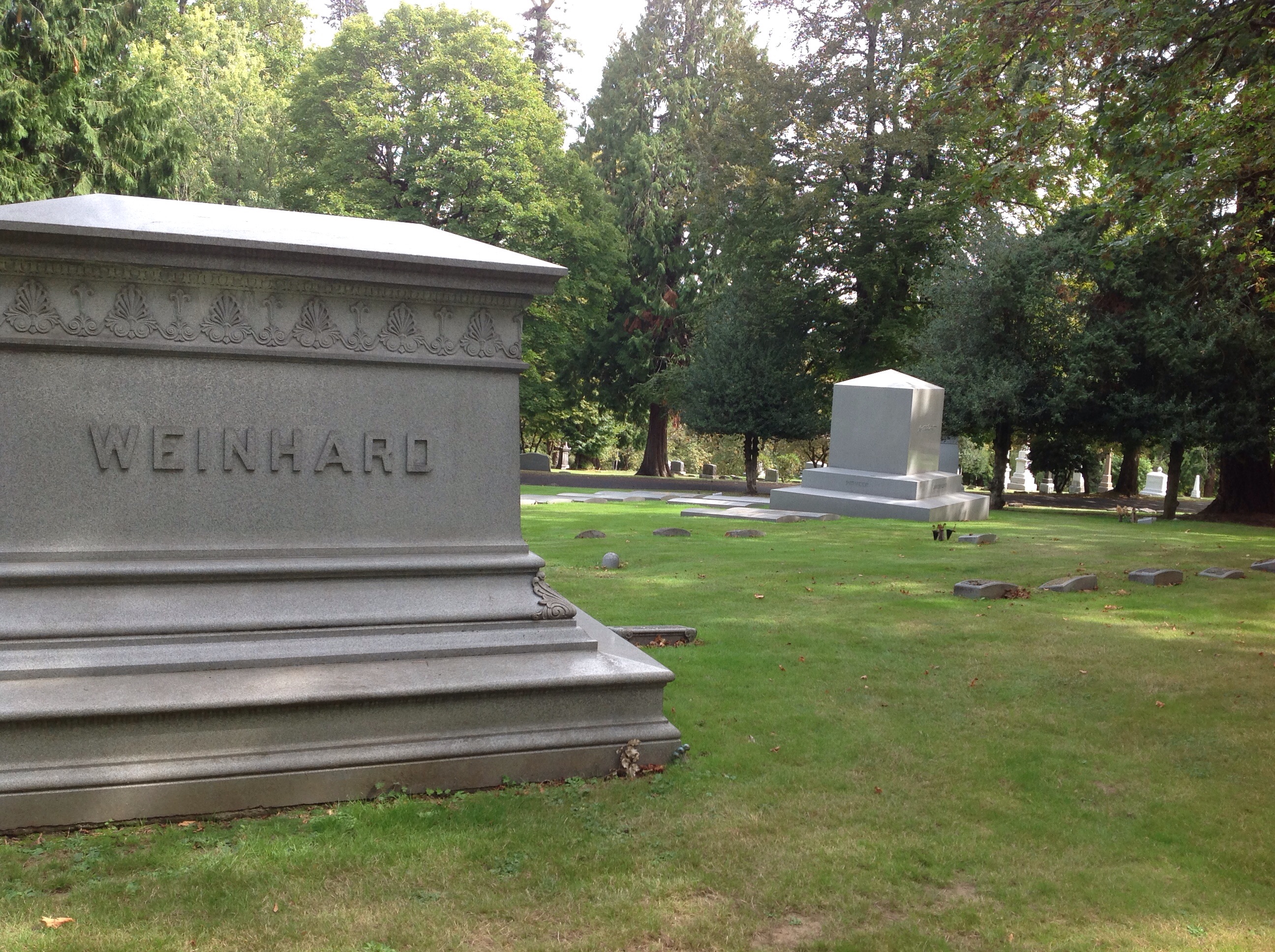
Henry Weinhard, Harvey Scott and Jacob Kamm will be our new neighbors in the future.image image image image

It’s often noted that none of us  will get out of this alive. So, this week Tanya and Jay decided to take the offensive and prepare for the inevitable.  We bought a cemetery plot. Now, how can a couple of healthy baby boomers possibly do such a thing? Weren’t we just at a Lynryd Skynryd concert? Didn’t we just finish taking our SAT’s and start applying to UO and OSU? Aren’t we the generation that said “Never trust anyone over 30.”?

While we have no intention of checking out any time soon, we wanted to have some fun in selecting our final permanent address. Incidentally, when we asked the cemetery official, Jocelyn, our “Family Service Counselor” if we could use River View Cemetery as our current Oregon address, she was somewhat less than enthusiastic. Like any good salesperson, Jocelyn listened and wanted to know what was important to us as we drove around the grounds. “Is a view important?” she asked. “We have some wonderful sites overlooking the Willamette.” Hmmmm, hard to imagine how we could appreciate this from the great beyond. “How about trees and woodlands?” she continued. “Deer often come up here to graze.” We just looked at each other.

Ultimately, like any good real estate decision, it ultimately comes down to location and who your neighbors will be. Also, close proximity to restroom facilities was a plus, since we figure anyone who would come to visit us would probably want to have those nearby. And so, we chose our ultimate permanent home next to some of the folks who made Portland what it is today. Ten feet away is Jacob Kamm, the Swiss immigrant who founded the Oregon Steamship Company in 1879, built the first sternwheel steamer in Portland and whose property later became the first Lincoln High School and now is Lincoln Hall at PSU. Unfortunately, he was hit by a bicyclist (something current Portlanders can relate to) in 1907 and died six years later.

German immigrant and beer magnate Henry Weinhard, is about 20 feet away. How many times have we enjoyed his product in our youth? Perfect.

Another future neighbor is Harvey Scott, the first graduate of Pacific University in Forest Grove, in 1863. Harvey was the editor of the Oregonian from 1866-1872. Mount Scott, in the Portland area, is named after him and his sister was Abigail Scott Duniway, a leader in the women’s suffrage movement. She’s also buried nearby. Down the road, our new future neighbor is Oregon pioneer and newspaperman, Henry Pittock. Other neighbors include the families of Failing, Ladd, Corbett and Jubitz. This is a neighborhood we probably couldn’t afford in life.  But afterward? OK.

So we closed the deal. As a real estate investment, this is definitely dead money. Tanya thinks we should look at it as simply a sunk cost. But we had a good time in the process and are secure in knowing that whatever happens in the meantime, we know where our ultimate home will be.

Posted in USA | 2 Comments

Sweet Home Alabama–Lynyrd Skynyrd

image

Duke Ellington once said, “There are two kinds of music. Good music and the other kind.” Louis Armstrong said something similar, “There is two kinds of music, the good kind and the bad kind. I play the good kind.”

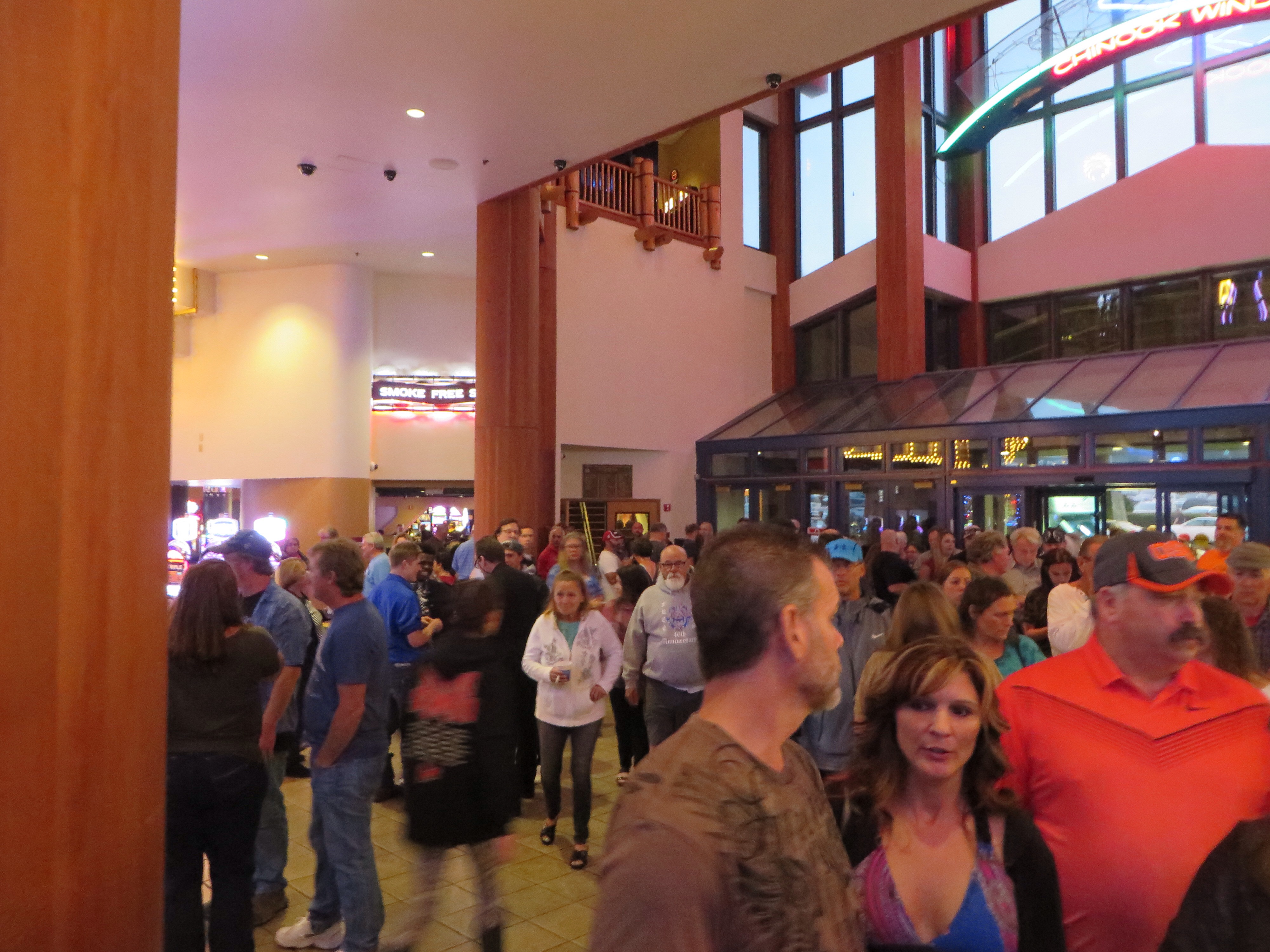
Venturing out of our normal comfort zone, last night we went to a Lynyrd Skynyrd concert at Chinook Winds Casino in Lincoln City, Oregon. We’re both jazz fans and we immediately started making comparisons between what we were seeing and hearing with the music genre that we’re much more comfortable with. Was this bad music? Well, to the several hundred fans who paid $81 a seat for this 2-hour show, it must have had some redeeming value. We can’t imagine any mainstream jazz artist who could command that price. image image

Nor can we imagine t-shirts on sale advertising the Clayton-Hamilton Jazz Orchestra or Kurt Elling.

But these fans were clearly moved by this concert, even though half of the band they knew from before were killed in a plane crash in 1977. The fans knew all the words to the songs and they moved to the simple rhythm the group produced. This was basic to their concert experience and it brought them home. We started thinking about how people reacted in a similar way in the 1930’s and 1940’s to the big bands of Benny Goodman,  Tommy Dorsey or Chick Webb.  Those people then also were moved by the rhythm and sounds those bands produced. But just imagine how a single invention, the electric guitar, changed the face of popular music. Some people might argue that after music went electric it started to dumb down and become much more primitive and simple. But then, there has always been dumb music–music that takes little talent to play and which still impacts people on a basic level.

Over the years, Jay has enjoyed Elvis, the Beatles, George Thorogood and even ZZ Top. Tanya has enjoyed the disco music of the 1980’s. But Lynyrd Skynyrd will not be on our list of favorites. Last night was an experience we probably won’t be repeating any time soon.image image image

Posted in USA | Leave a comment

Totally Naked Men and Women, Oh My!

Now that we have your attention.

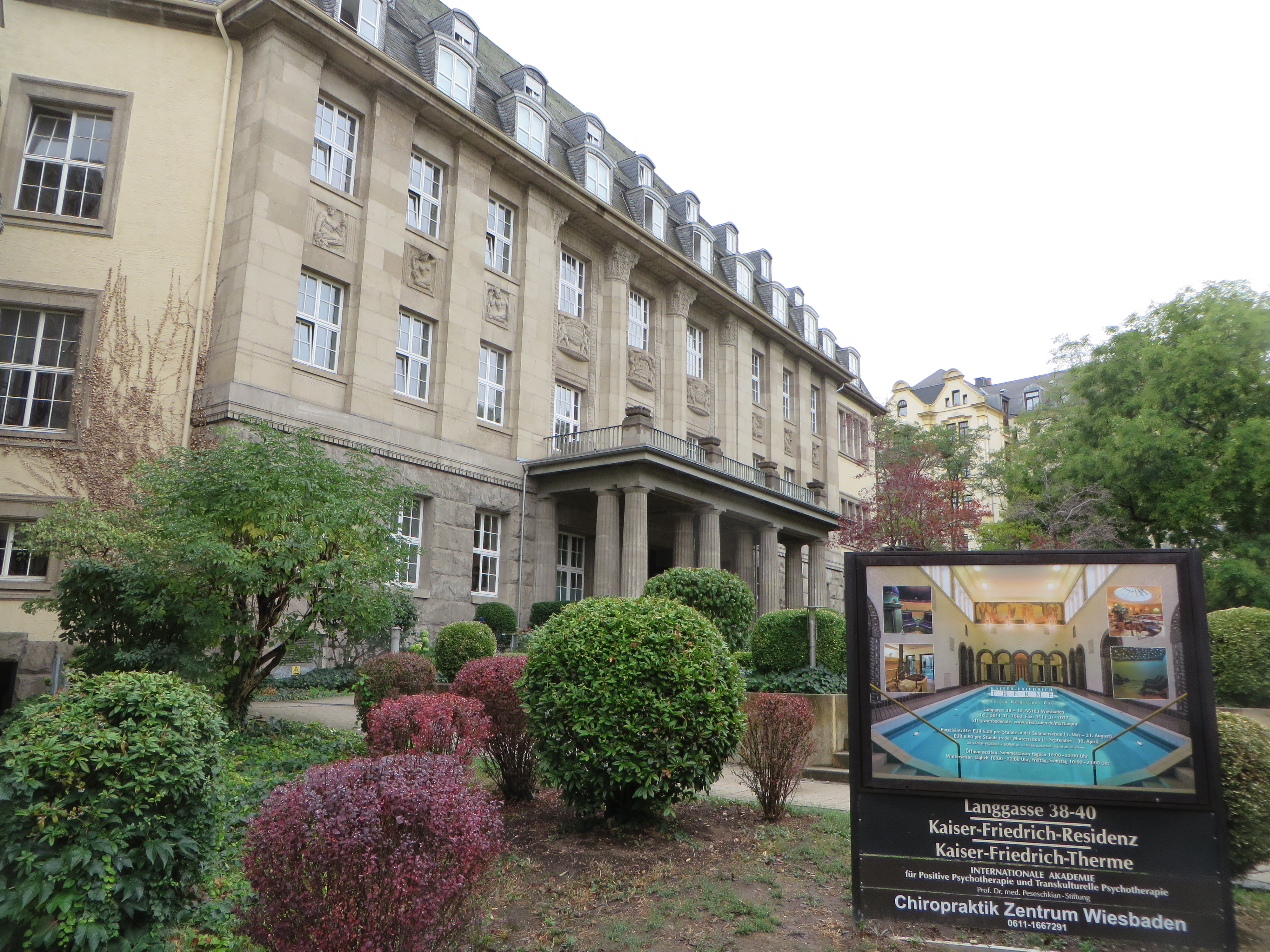
The Kaiser Fredrich Therme in Wiesbaden

The Kaiser Fredrich Therme in Wiesbaden

No trip to Germany is complete without a visit to a Bad, or bath, in one of the many spa towns scattered throughout the country. At the bath, you can shed your clothing and your inhibitions, immersing yourself in a cultural experience not common in the US. Jay took the plunge, again, last week at our local Kaiser Friedrich Therme and he can confidently report that walking around naked, along with several other people of both sexes, in no way resembles a pool party at the Playboy Mansion. These bathers are not necessarily the beautiful people. The gender mix is split about equally, with an estimated age range of 30 to 80, although the majority appears to be retirement age. Body composition of bath-goers runs on the heavy side, but nothing out of the ordinary for an older age group. People are here to spend time relaxing, sweating and enjoying the hot water steaming and bubbling all around us. Yes, we all know we are completely naked, but there is no overt ogling, except perhaps at the occasional person who wears a swim suit, or heaven forbid, a t-shirt, a clear violation of bath etiquette. It’s only then that Jay observed the evil stink-eye. Germans take their bathing seriously and there is very little talking, except between couples.  Making eye contact is minimal as folks circulate between the various pools, saunas, steam rooms, and rest areas wearing nothing but what they were born in.

The whole modesty issue is quite interesting for us, coming from a culture where co-ed nude bathing is just not something we run into on a daily basis. As one enters the unisex locker room area, you might find yourself undressing right next to someone of the opposite sex. But, other than perhaps a short smile, there are no social amenities exchanged. No “Nice weather we’re having, eh?” or “Wasn’t that a great football game last night?” After undressing, you are expected to take your towel with you, often strategically draped over or around yourself until you get into the main spa area. Toilet rooms and shower rooms are separated by gender, but this seems odd since everyone then heads into the facilities area where every pool, shower and sauna is enjoyed by all, in the buff. Afterward, you might find yourself drying off and combing your hair next to the woman you just saw lying in the sauna 30 minutes  before.  A bit different.

We get the impression that the bath experience is important in Wiesbaden, even if it’s not practiced by a majority of the population. The very name “Wiesbaden” means “meadow baths” or “baths in the meadow”. The Romans had a cavalry unit here beginning in 6 A.D. and their horses apparently loved bathing in the natural hot springs that are still bubbling away. Humans soon caught on to the experience and by 1370 there were thirteen bath houses here. We usually imagine people in the Middle Ages as somewhat dirty and stinky, but with all the opportunities for bathing in Wiesbaden, at least some of them must have been clean and sweet-smelling. The heyday for bathing culture in Germany was in the 1800’s and Wiesbaden had a reputation as one of the most famous spa towns of the 19th century. Goethe, Dostoyevsky and even Mark Twain enjoyed the German bath experience. The beautifully restored Kaiser Friedrich Therme, is in the center of town and is now owned and operated by the City of Wiesbaden.

Entrance to the Kaiser Friedrich Therme

Entrance to the Kaiser Friedrich Therme

Lobby of the Therme. Dressing room entrance to the right.

Lobby of the Therme. Dressing room entrance to the right.

Getting back to the bath experience itself, we encourage anyone who visits one of the old German spa towns to take a few hours and indulge. It’s really kind of fun and once you’ve done it, it’s not nearly as uncomfortable as you might think. Besides, it makes for interesting cocktail party conversation when you get back home.

Posted in Europe, Germany | 5 Comments

München has Oktoberfest, Wiesbaden has Weinwoche!

Oktoberfest, the world’s largest beer party, is set to kick off in München in a few weeks. Thousands of drunken tourists will flock to the grounds to consume liters of the foamy stuff delivered six or eight at a time by incredibly strong German maidens in traditional Drindls. Bands will play, acres of roasted chickens and sausages will be eaten and the area will positively wreak with gemütlichkeit. We’ve been to Oktoberfest three times now, and yes it is a lot of fun, in its own way.

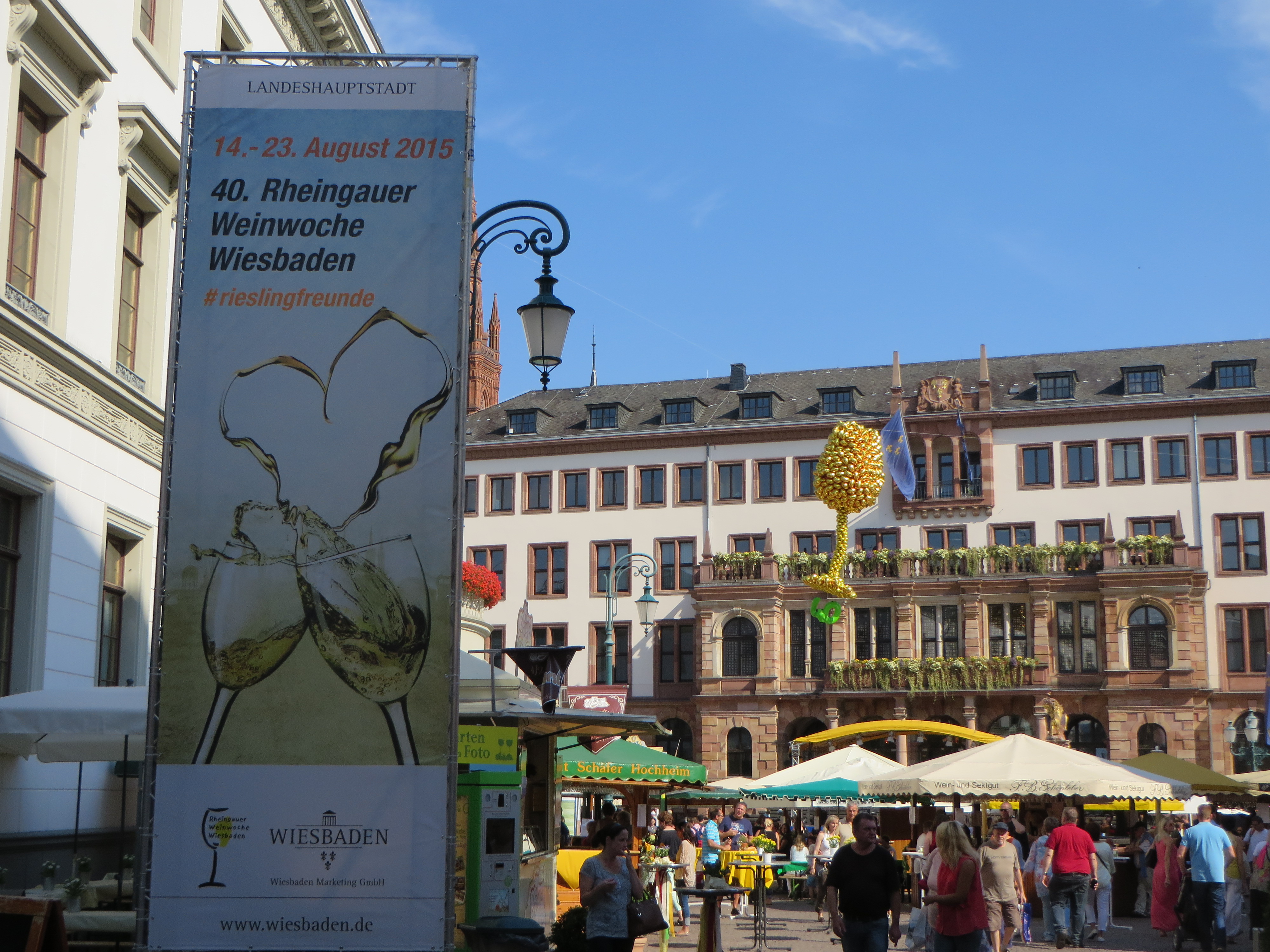
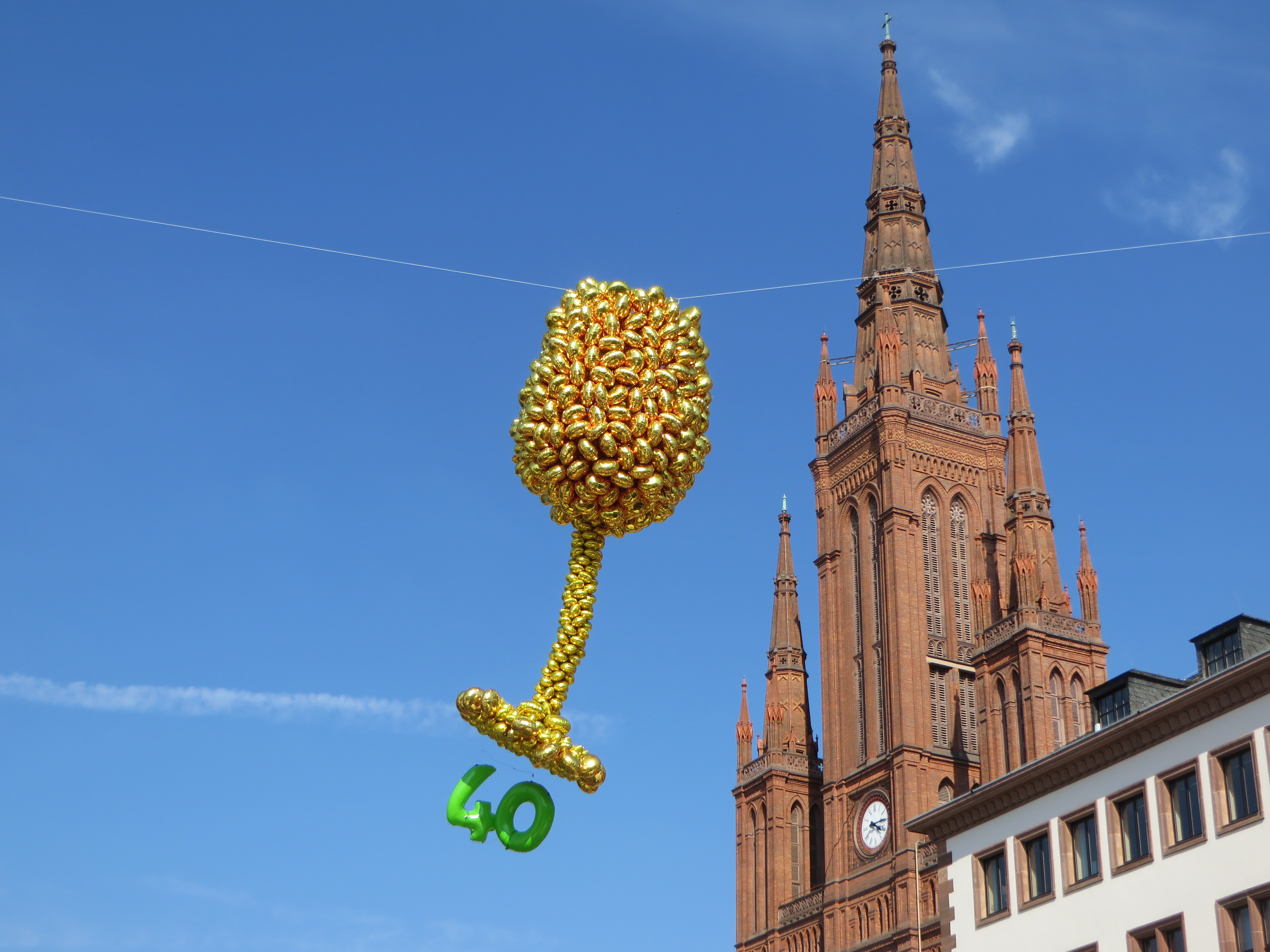
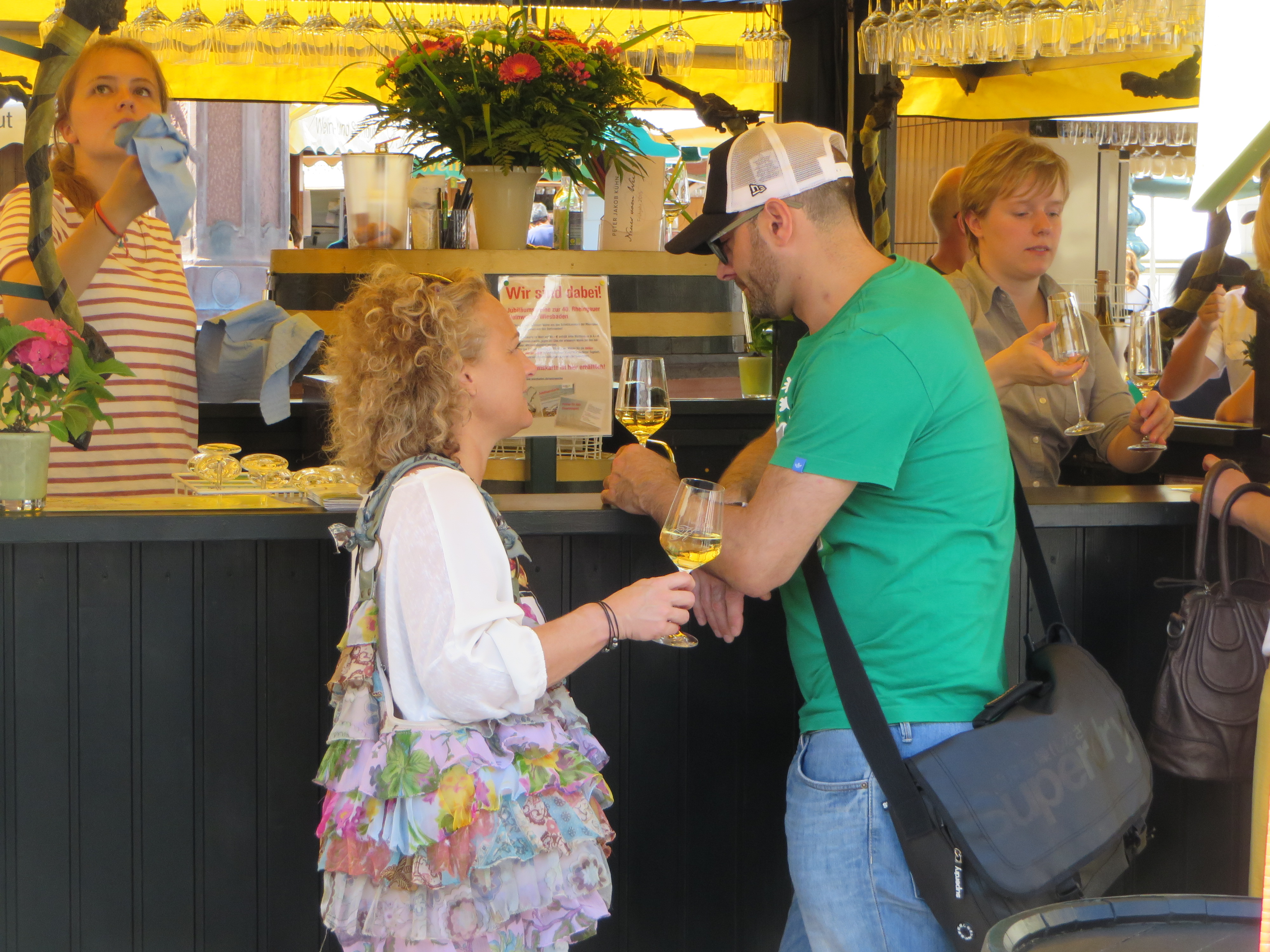
But, in Wiesbaden, we have the more refined and genteel Rheingauer Weinwoche, a 10-day celebration of the riesling grape and the local wineries which produce its wine. I recently recalled the saying, “Wine is the way classy people get wasted” and I can vouch personally for that statement’s veracity. The 40th annual Rheingau wine festival, which features over 100 stands selling wine from different producers, ends today and it has been a roaring success. Like München’s Oktoberfest, bands play and sausages are roasted, but overall Weinwoche is a much more sedate affair.

Now, as a primarily red wine drinker, Jay has to admit that most of the riesling, with its relatively low alcohol content, tastes pretty much the same. He mentioned this to one of our German table mates, who agreed with. “Naturally”, he said, “after all, it all comes from the same fields and the same region.” Now, I’m sure there are some riesling aficionados who would disagree and insist there are profound differences between different regions, vintners and styles. But, for Jay, he’ll stay with a hearty red any day. Tanya will continue to enjoy her French chardonnay. Regardless of wine preference, it was an enjoyable week.

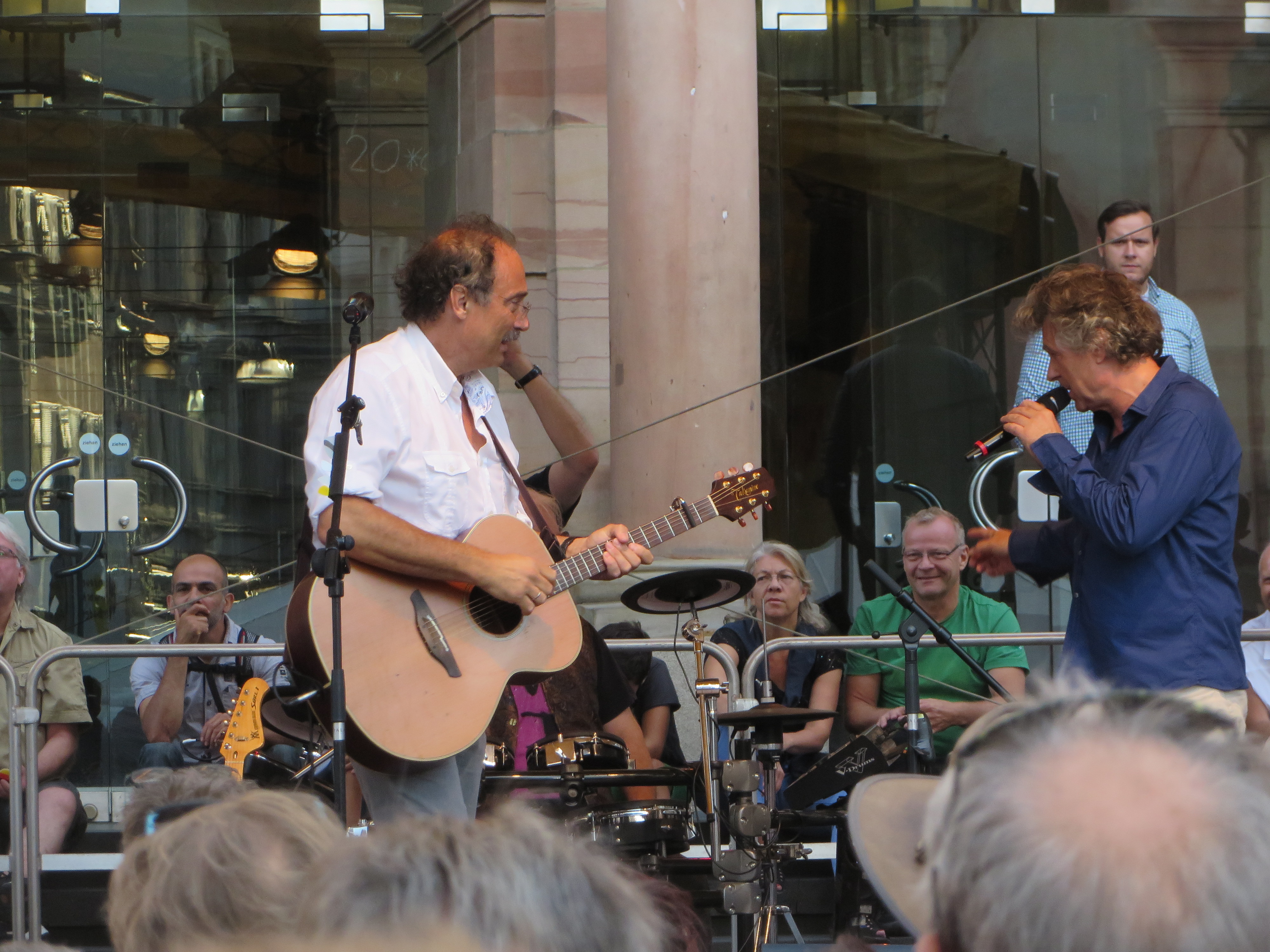
Classic rock band: SINFONIE

Classic rock band: SINFONIE

Tanya with our friends Sabine und Michael

Tanya with our friends Sabine und Michael

IMG_1913

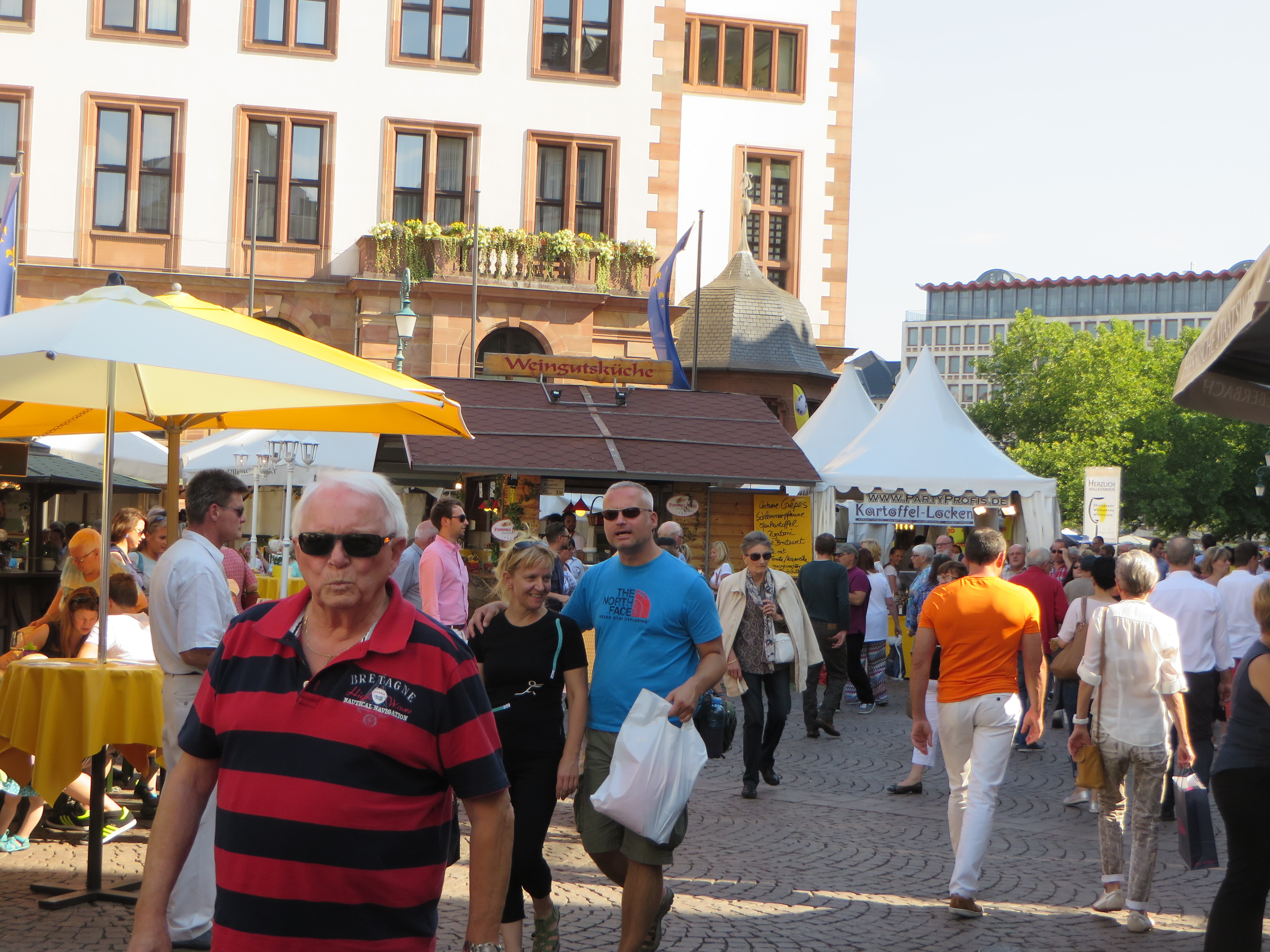
Faces in the crowd

Faces in the crowd

IMG_1916

Happy festival goers

Happy festival goers

IMG_1920 IMG_1921 IMG_1923IMG_1747

Posted in Europe, Germany | Leave a comment

Thinking About Home

For the last month or so we’ve been thinking about the concept of “home”. Having now lived outside our home country, the US, for most of the last eight years, the concept of home has become much more indefinite. Ways in which we may have defined home in the past now seem inadequate, or at least incomplete:

  • Home is where the heart is:  In that sense, we have several homes–Korea, Portland, Wiesbaden, the Oregon coast, Monterey…the list goes on. Each of those places has touched us emotionally and we are comfortable in all of them. So, those places are all our home.
  • Home is where your stuff is:  Well, that one works alright, up to a point. Even though we’ve pared down our material goods, we still have stuff in different places and every time we take a trip, some of our stuff comes with us. Someone once said, “home is where your toothbrush is” and that definition seems to fit as well as any.
  • Home is where your bills are mailed to:  That one doesn’t work so well when all we have is a post office box in a non-descript building not even close to where we live. We might as well consider our computer our home since that’s where most bills come anyway.
  • Home is where your passport was issued:  That definition works OK, except that our passports also read, US Department of State. Not necessarily a very homey concept.
  • Home is where people know you, “where everybody knows your name…”: That’s also a good one, but we can also feel at home in places where no one knows us at all. Anonymity can be very liberating and comforting.
  • Home is where you grew up, where you are “from”:  That’s certainly true. But what happens when the place where you grew up doesn’t feel like home or very comfortable? Places change and what was once familiar is no more. On a recent trip back to where Jay grew up, he didn’t feel at home at all. The long-closed meat-packing plant his father built up over 25 years had been reduced to rubble. The house Jay grew up in was still there but no longer resembled what it once was. The surrounding area that was once pasture land was now covered with mobile homes and suburban housing. So that home was only a memory.
  • Home is where you feel comfortable:  This is the definition we feel best about. When Jay was in graduate school, he was encouraged to ultimately become a “cultural chameleon” where he could adapt quickly to whatever different cultural situation he found himself. We feel pretty comfortable almost anywhere we go, although we can certainly imagine some places and situations where it would be really hard to convince ourselves that we were home.

The bottom line is home can be wherever you want it to be, wherever you feel comfortable and where you make at least some kind of social connection. If it’s the place where you were born, grew up and maybe never really traveled far away from for very long, that’s home. If it’s another city or country where you feel a level of comfort, that’s home. It’s as simple as that. In either case, you’ll never be homesick.

Posted in Uncategorized | 4 Comments

Coming Home (again): Jazz at Port Townsend

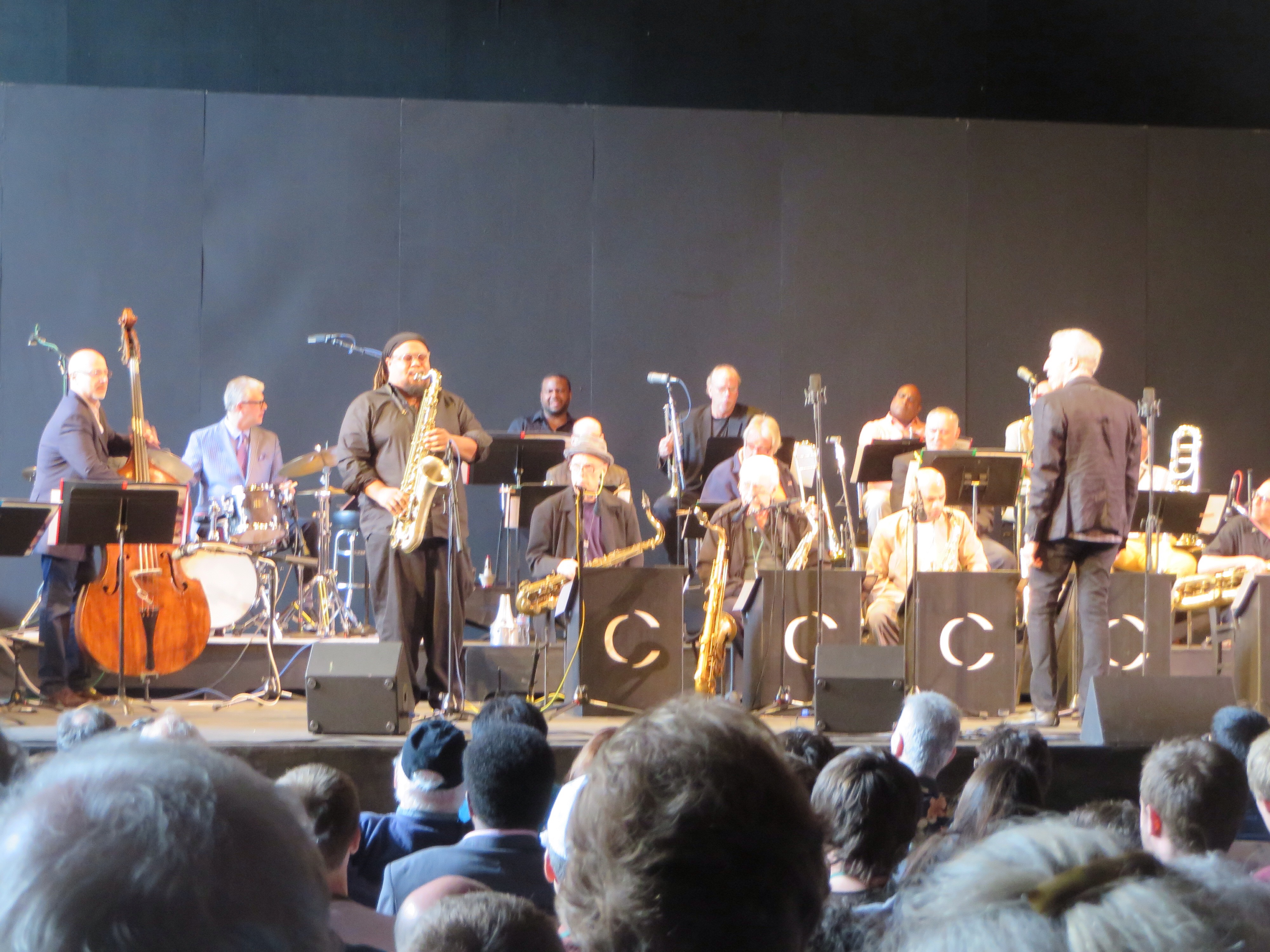
We’ve written before in this blog about jazz creating a sense of coming home for us and this past weekend Port Townsend, Washington was where it all came together again. It’s not hearing familiar tunes that necessarily brings us home, because there are always many more new compositions and arrangements for us to experience. It’s more the pure joy of the music and seeing and hearing some of our old and new favorite musicians bringing life to this art form that creates that sense of well-being, family and home to us. We hope some of this joy comes through to you in these photos.

The mastery of Brazilian guitar with Romero Lubambo

The mastery of Brazilian guitar with Romero Lubambo

image

Kim Nazarian with Jeff Hamilton

Kim Nazarian with Jeff Hamilton

The amazing trumpet of Sean Jones with Jon Hamar on bass

The amazing trumpet of Sean Jones with Jon Hamar on bass

The Bob Mintzer Big Band with Dayna Stephens on tenor sax

The Bob Mintzer Big Band with Dayna Stephens on tenor sax

The electrifying trumpet of Terell Stafford

The electrifying trumpet of Terell Stafford

The incomprehensible piano of Benny Green

The incomprehensible piano of Benny Green

Terell Stafford with John Clayton

Terell Stafford with John Clayton

Simply the best trio in the business today: Benny Green, John Clayton and Jeff Hamilton

Simply the best trio in the business today: Benny Green, John Clayton and Jeff Hamilton

Posted in USA | 1 Comment

Ampelmann and German Re-Unification

The other day, while walking around Wiesbaden, Jay noticed a new display outside the Hessen capitol building: AmpelmannIMG_1820

The statue celebrates 25 years of German re-unification which officially takes place on October 3. This larger-than-life image of Ampelmann and the slogan “Grenzen überwinden” (overcoming borders) got me thinking about the state of Germany’s re-unification process and what Ampelmann has to do with it.

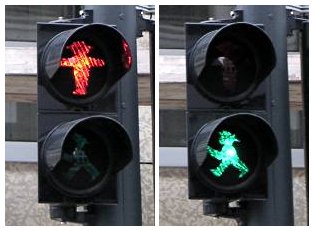
Let’s start with the history of Ampelmann (Light Man) himself. Designed in 1961, the hatted, striding gentleman was introduced in the former GDR in 1969 to bring attention to traffic signals and pedestrian safety. By 1982, Ampelmann had become a TV star as he promoted traffic education throughout the former East Germany.

Ampelmaenner

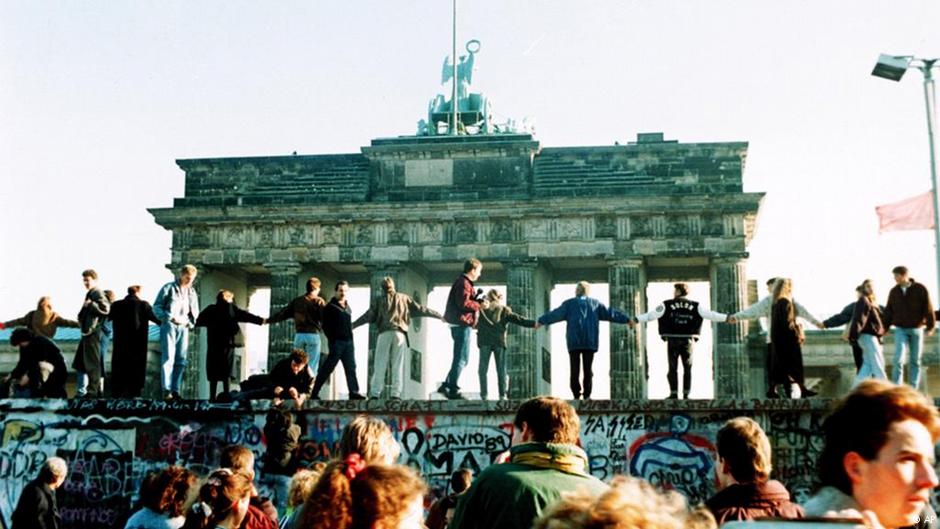
But after the Berlin Wall  fell in 1989, Ampelmann was in trouble.Berlin wall

From 1990 to 1997, the newly re-unified German government started taking down the East German Ampelmann lights, replacing them with West German ones. This was just too much for many former GDR citizens to take. Ampelmann was a part of their childhood and a small slice of GDR culture that the West Germans (Wessies) simply hadn’t taken into consideration. An opposition citizens committee was formed to save Ampelmann and he, and Ampelfrau, regained their place proudly at intersections throughout the five newly formed states of the former GDR. Not only was he saved but Ampelmann has gained a sort of cult status. In Berlin, for example, there are Ampelmann shops selling all kinds of Ampelmann stuff, from magnetic stickers to T-shirts. There is an Ampelmann restaurant and an Ampelmann cafe. And in 2010 a new Ampelmann shop opened in Tokyo.Ampelmann Tokyo

While Ampelmann has been a commercial success, can we say the same thing about Germany’s 25 year process of bringing itself together? And better yet, is Ampelmann an appropriate symbol of German unity? Or is he just a convenient icon to use to commemorate October 3rd?

From Jay’s research, it is clear that the re-unification process has not been easy, nor inexpensive. Shortly after the two Germanies became one, the German government imposed a “solidarity surcharge” of 5.5% on Germans’ income. This tax was intended to help the re-unification process, assist the new democratic states in Eastern Europe and to offset the costs of the first Gulf War. The tax, which many Germans are tired of, is still in effect and since 1990, between 100 and 140 billion euros have been collected annually. Over 3 trillion euros have been spent overall. So, has the money been effective in re-unifying the country? Well, yes and no. Unemployment in the former GDR is still nearly twice that of the West. Wages are about 20% lower in the East and pensions are about 10% lower than in the rest of the country. On the other hand, living costs, at least for now, are cheaper in the East. On the plus side, infrastructure has greatly improved in the former GDR and cities like Leipzig and Dresden have seen dramatic economic progress.

But the real stumbling block in true German re-unification seems to be more cultural than economic. According to German media source, Deutsche Welle, many Germans, especially those in the East do not feel as if the country is one nation. Many of the old prejudices and attitudes of Germans in the East (Ossies) toward their Western counterparts still exist. To an extent, Wessies are still seen as arrogant, snobbish, selfish and superficial, while many Ossies see themselves as second-class citizens. One reason given as to why these prejudices still survive 25 years later is the contact theory. The theory is, that while the situation is changing, there simply aren’t enough family and friend connections between residents of the former two Germanies for people to feel as one. We’re not completely sold on this theory. For example, we have no family or friends in most of the rest of the United States, outside our home state of Oregon, but we still feel we are all Americans, whether from Florida, Maine or Nebraska. But then, we’ve never had our country divided into two completely different economic and political systems for 44 years. The contact theory does brings up some interesting questions however as to how the only other split countries, North and South Korea, would face potential re-unification.

In the meantime, Ampelmann will continue to represent whatever we want it to, be it either commercial or political success. And we can be pretty confident of a stronger re-unified Germany as we go into the next 25 years.

Posted in Europe, Germany | 3 Comments

Chillin’ in Prien am Chiemsee

One of the wonderful things about living in Europe is how close towns, regions and countries are to each other. And the German rail system, despite its imperfections, is still a terrific way to get around with ease. Over the 4th of July weekend, we went to the southern Bavarian town of Prien on the shores of Chiemsee.SSC_0747

View from our guest house along the lake

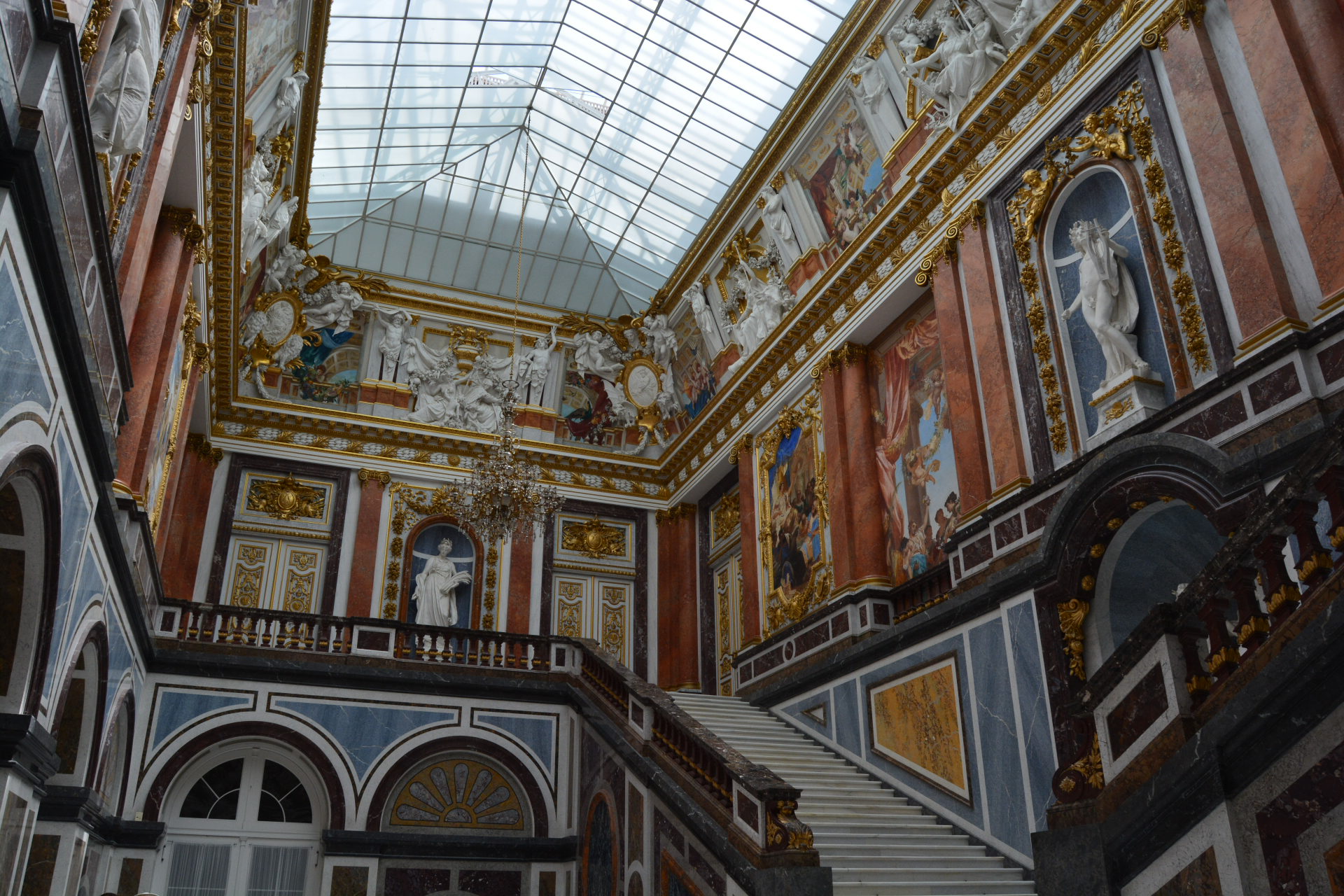
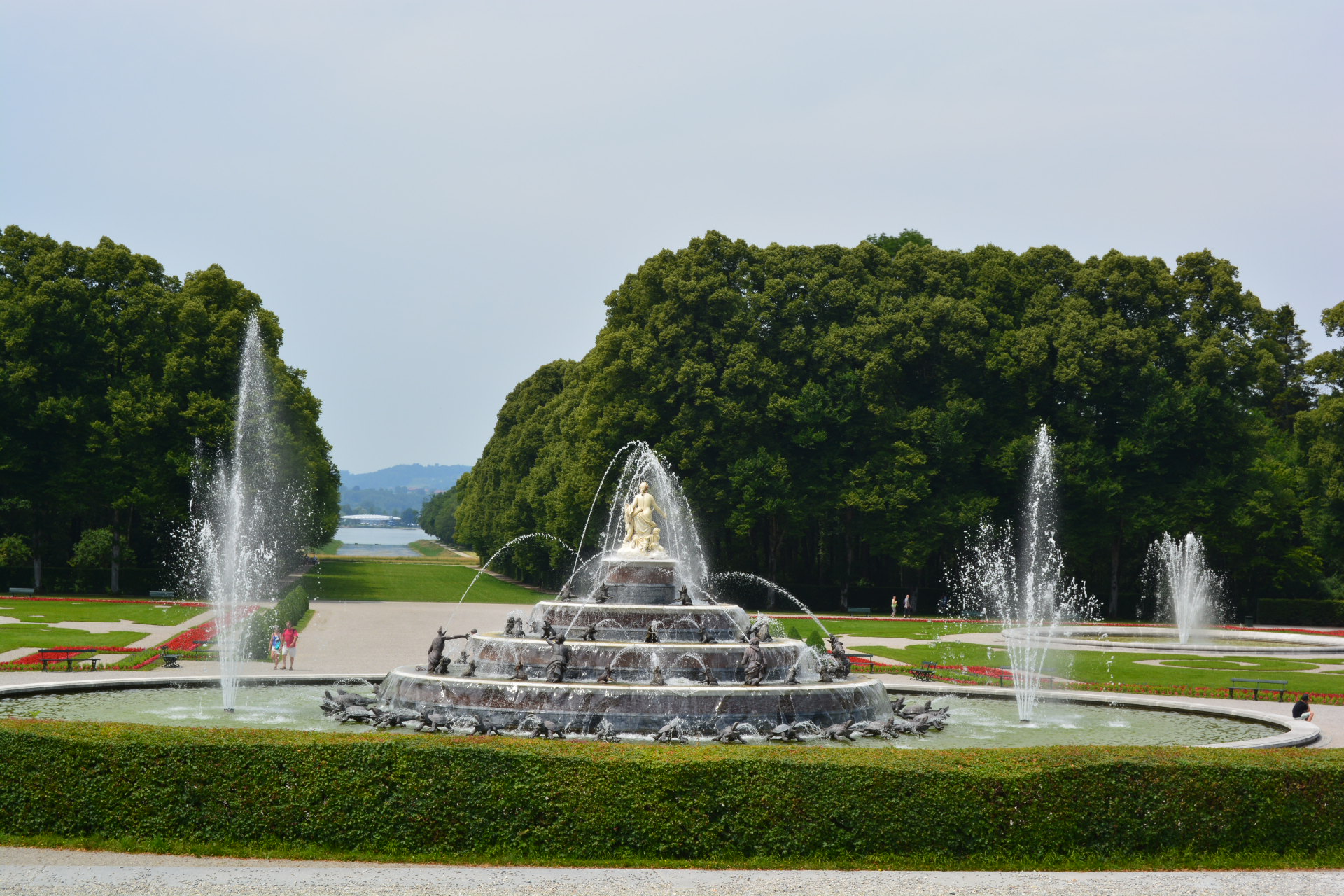
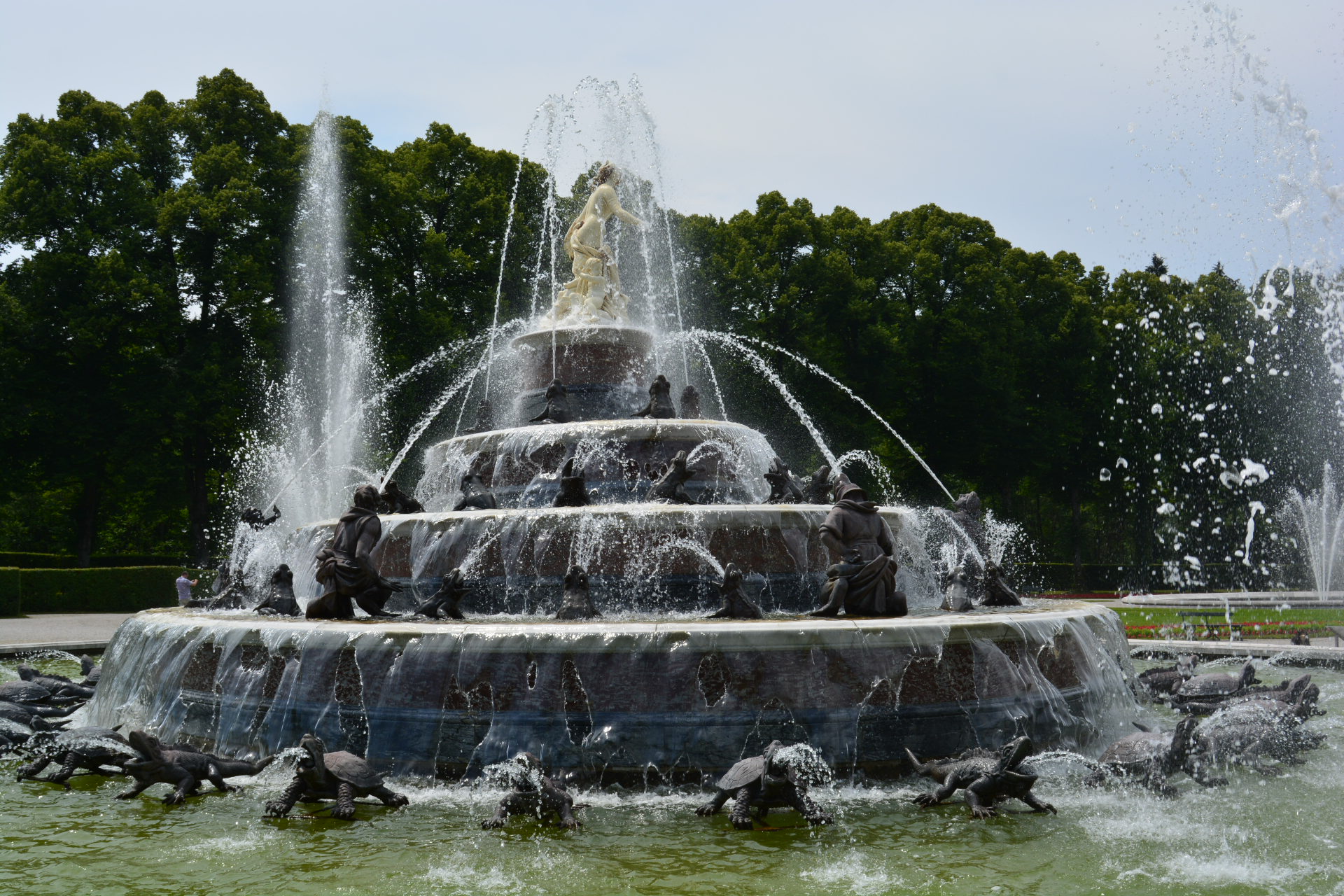
This area is about 40 minutes from Salzburg and near other famous tourist attractions like Berchtesgaden. But Prien doesn’t get a lot of attention in the guidebooks, which is a shame, or not. There are two main islands in the lake, both of which are accessed by ferry from Prien, Herreninsel and Fraueninsel. Herreninsel is the home of the last of three fantastic palaces built by “Mad” King Ludwig II of Bavaria, the others being Neuschwanstein and Linderhof. Schloss Herrenchiemsee was never completed because the king was running out of money and died under mysterious circumstances. Ludwig was obsessed with the French “Sun King” Louis XIV and wanted to replicate the palace at Versailles, including the incredible hall of mirrors. You can see how much money he spent on this place even though he never actually lived here, having visited only once for 10 days. Amazing.SSC_0748 SSC_0745 SSC_0749 SSC_0750 SSC_0751 SSC_0752

Just as the Schloss at Herrinsinsel is over the top, the nearby island of Fraueninsel is just the opposite. There are no roads on Fraueninsel and one gets the impression that suits the residents just fine, thank you. SSC_0758 SSC_0753 SSC_0757 SSC_0756 SSC_0755 SSC_0754 SSC_0759

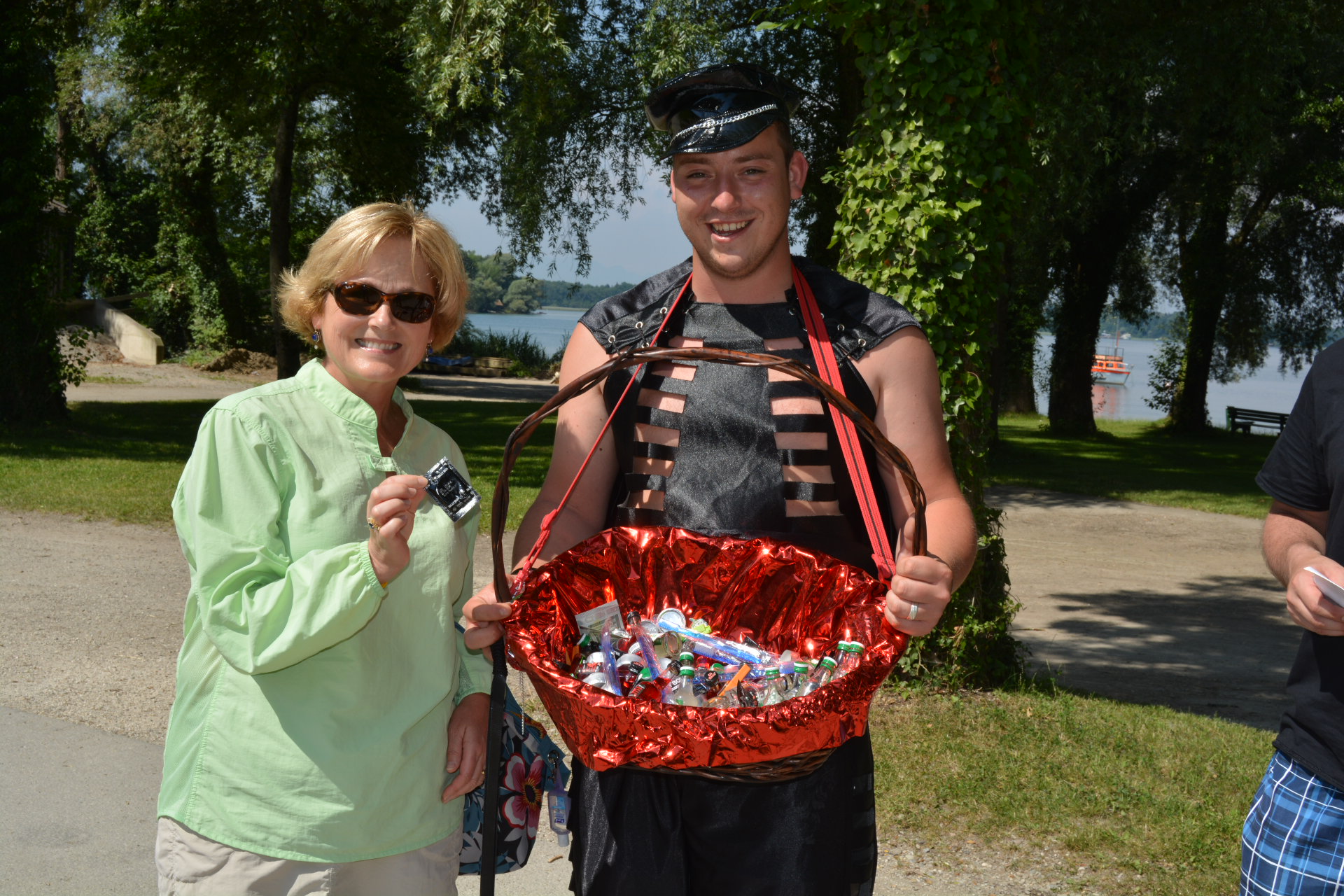
While we were walking around, Tanya bought a “trinket” from a young man celebrating his last day of bachelorhood before getting married the next day. She told him, “you won’t be needing this any more”.SSC_0760And, of course, no summer day in Bavaria would be complete without a refreshing adult beverage.SSC_0744

Posted in Europe, Germany | 2 Comments