Never Smile at a Crocodile: Adventures in Costa Rica

“Never smile at a crocodile, never tip your hat and stop to talk awhile. Don’t be taken in by his welcome grin. He’s imagining how well you’d fit within his skin”….From Peter Pan

Costa Rica’s Tarcoles River is the home to over 2,000 crocodiles and we decided to check them out, up close and personal. Our crazy-ass river guide likes to show off how he can get a croc to eat out of his hand. Let’s just hope someday his hand isn’t included in the meal. About four fishermen a year become lunch for these guys.

Costa Rica is a beautiful country and while we only were able to see a small part of it on this trip, we’re looking forward to our next visit.

Posted in Central/South America | 3 Comments

Back Through the Ditch

We spent a day last week transiting the Panama Canal again, this time from the Atlantic side to the Pacific. The other day in the chow line, we chatted with a lady who was incredulous that we would be going through the Canal for the second time within a few weeks. Jay tried to explain to her that the second transit would be completely different since we would now be going from north to south, instead of our previous transit south to north. She politely moved on, no doubt convinced that we were totally insane, as we progressed to the salad bar.

This post is dedicated to our friends Chip and Kit, who transited the Canal in 1975 in their 65’ sailboat. Chip had sent us excerpts from his log of that trip before we made transit #2 and we continually marveled at how the two of them, along with their young son, made that trip. They had to enter the locks in front of a huge freighter, sharing the lock space, and narrowly avoiding being squished as their engine failed toward the end of exiting the last lock. Watching the huge cargo ships going through the Canal and imagining our friends negotiating this in a sailboat over 40 years ago made this an experience we will never forget. We’re pretty sure it’s one they won’t either.

Posted in Uncategorized | 2 Comments

Santa Marta, Colombia: In Search of Juan Valdez

We spent a lazy Colombian Saturday in the northern port city of Santa Marta. This is the second city in Colombia we’ve visited lately and we still cannot find the elusive Juan Valdez. As any child of the 50s and 60s knows, Juan Valdez was the secret Latin boyfriend of the matronly Mrs. Olsen in Folgers coffee commercials. Mrs. Olsen’s guests always asked for a second cup of coffee—“Mrs. Olsen, my husband never asks for a second cup”. Jay always wondered what was in Mrs. Olsen’s Colombian coffee, “mountain grown in the flavor zone”, that made it so popular. Since coffee is only one of Colombia’s major cash crops, it was an easy assumption that perhaps there was something else in that coffee, perhaps something added by Juan Valdez’s evil twin brother, Hector.

In any case our search for the famous Juan, and Hector, proved fruitless in our wanderings around Santa Marta. We did, however, stop into a little joint called “Lulo’s” for a couple of tasty fresh lemonades and a traditional Colombian lunch. Along with free WiFi, the total bill was $9. Not bad. Oh, and the coffee was pretty good too.

Posted in Central/South America | 1 Comment

Romancing the Stone in Cartagena

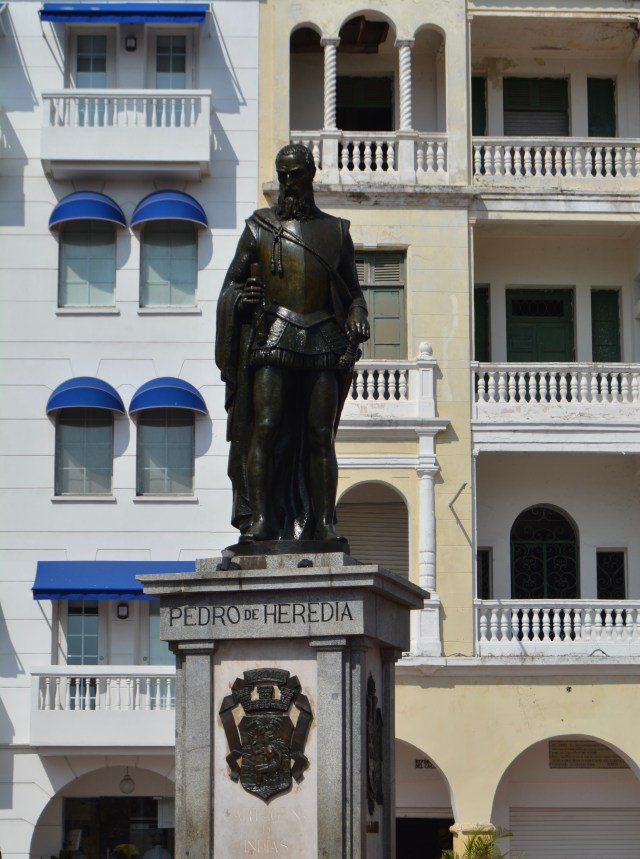
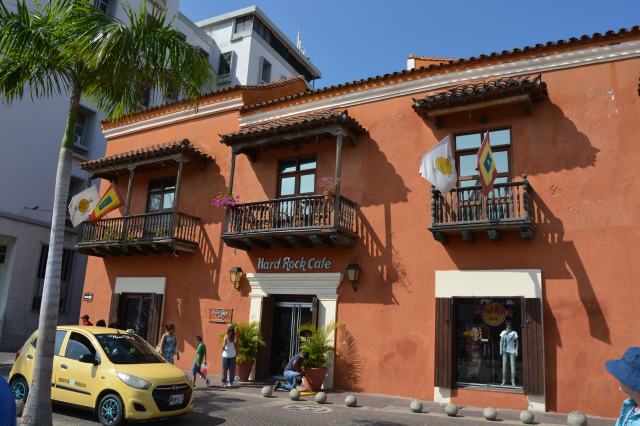
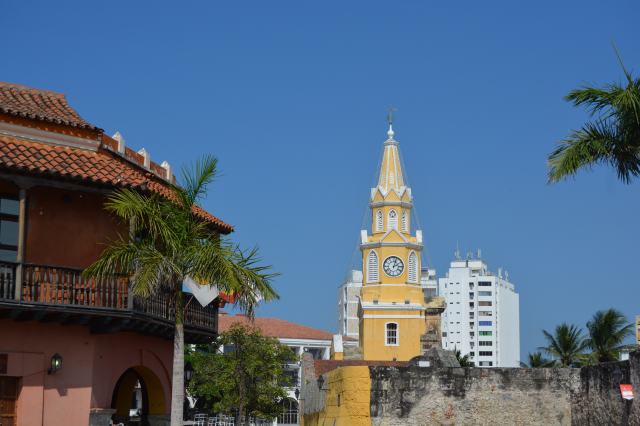
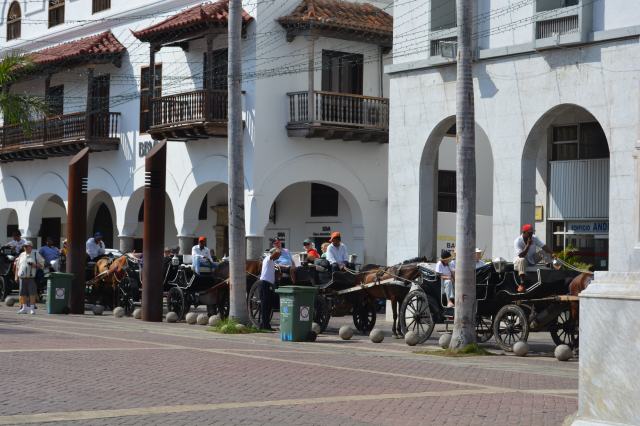
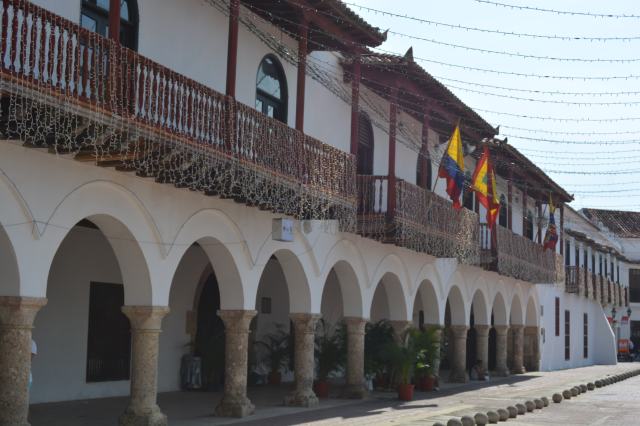
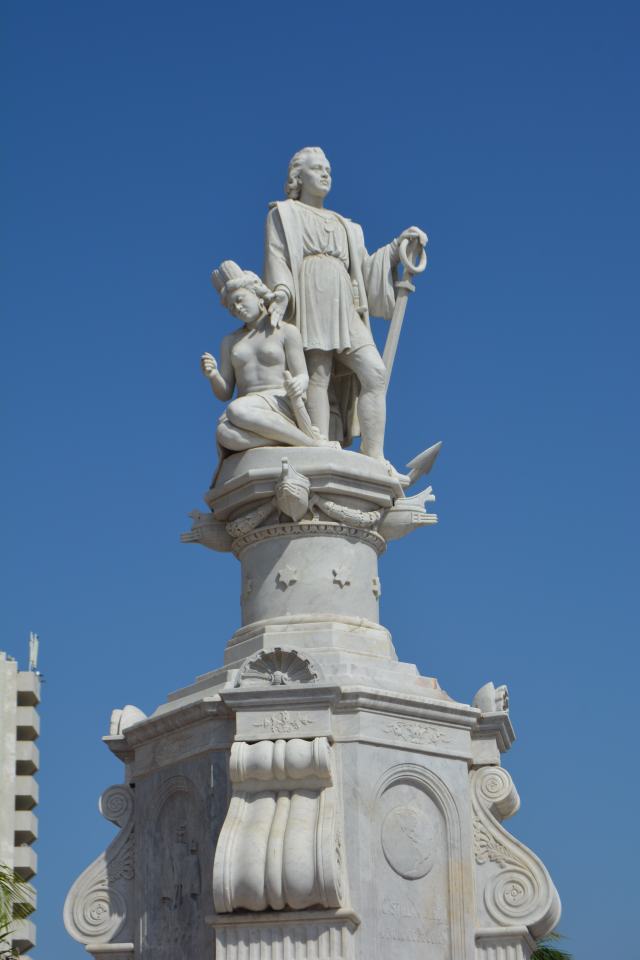
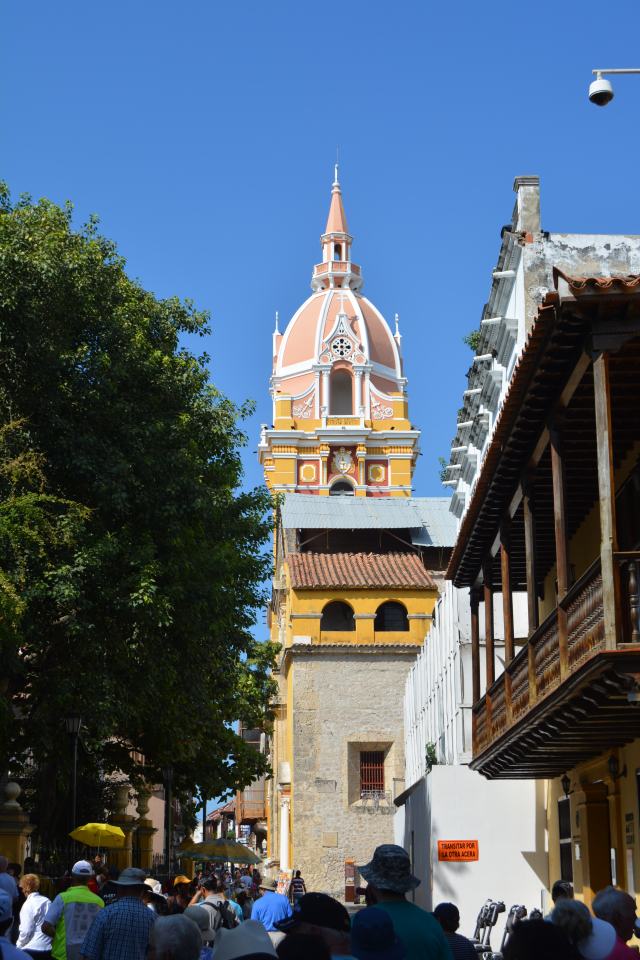
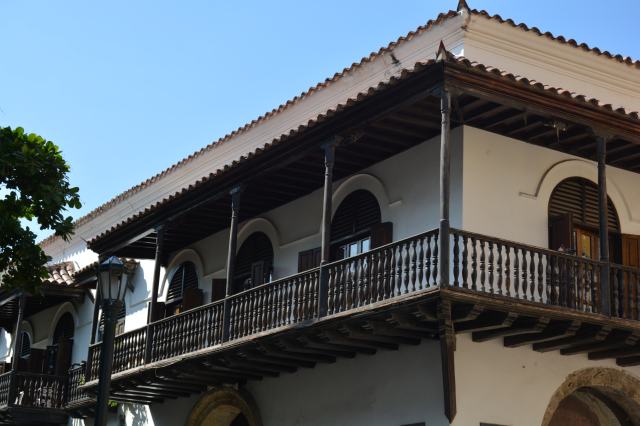
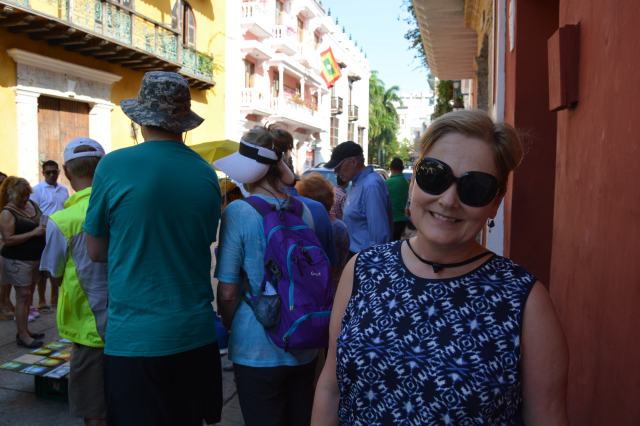
OK, so we’re not really Michael Douglas and Kathleen Turner. And, Danny DeVito wasn’t chasing us around in an old beat-up Fiat. But, we did get the feel for the romance of Cartagena, Colombia on our one-day stop. It was New Year’s Eve and preparations for the evening’s festivities was in full swing. We could imagine ourselves in new outfits as we would dance the night away before slipping out the back window of our hotel the next morning to elude the evil Colonel Solo and his gang. Alas, it was only our imagination, as we had to be back on our floating hotel, Amsterdam, by 5:00 pm to sail away toward another destination. But we vowed to return to Cartagena as part of a South American adventure before too long, next time on our own schedule.dsc_0175dsc_0176dsc_0177dsc_0178dsc_0180dsc_0181dsc_0182dsc_0183dsc_0184dsc_0185dsc_0186dsc_0187dsc_0188dsc_0189dsc_0190

Posted in Central/South America | 3 Comments

Transiting the Panama Canal

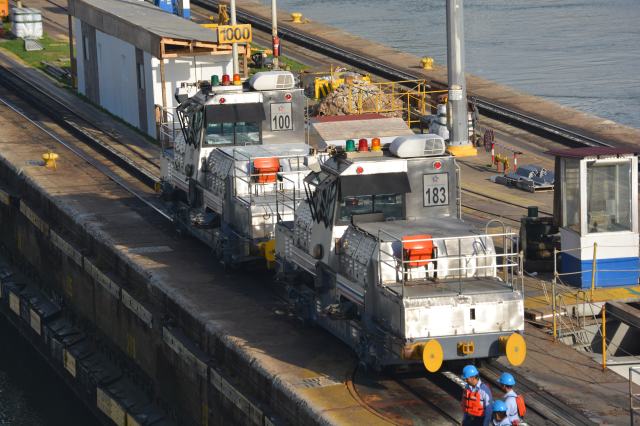
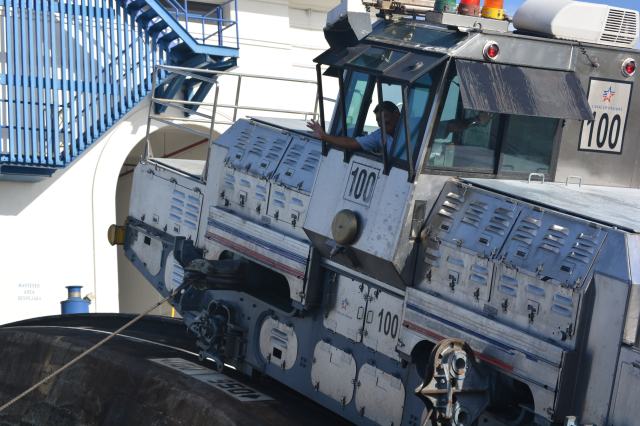
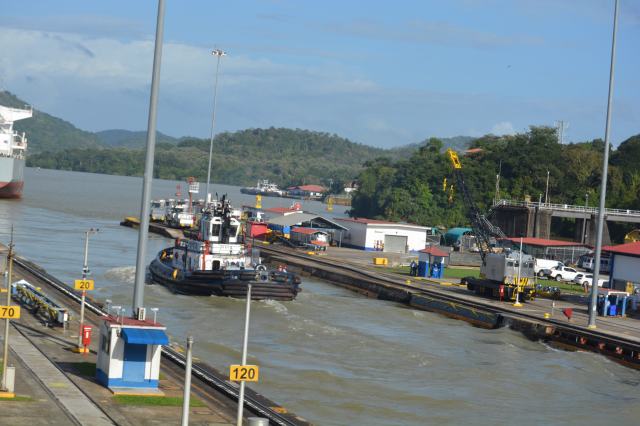
Going through the Panama Canal is something every traveler should experience, at least once in their life. The eight hour trip along the 47 mile route of the waterway that connects two oceans gives one the chance to dwell on what an incredible human achievement the canal is. Jay has been reading David McCullough’s The Path Between the Seas, a book everyone even remotely interested in the history and construction of the canal must read.

On this trip we transited the canal from the Pacific end at Panama City, a metropolis that rises from the humid morning mist like some kind of Emerald City from the Wizard of Oz. It is hard to imagine what this city was like at the beginning of the 20th century, with no paved streets, no sewers and the ever-present threat of yellow fever and malaria.dsc_0129dsc_0132dsc_0141dsc_0145dsc_0146dsc_0147dsc_0149dsc_0150dsc_0151dsc_0154dsc_0159dsc_0163dsc_0170dsc_0171

But what is truly incredible is what a monumental task it was to build the canal itself. The expenditure of monetary and human capital (over 20,000 died during construction), is staggering. The stories of the personalities behind this incredible task, Ferdinand de Lesseps, Wallace, Stevens, Roosevelt and Gorgas, to name a few, are incredibly interesting. Taken within the context of technologic and medical development at the time, roughly 1880-1890, it is amazing that the French were able to make as much progress as they did. It is equally amazing how the US was able to take over and complete the project, including arranging the creation of a separate country, Panama.

Tanya’s great-grandfather worked on the canal so this was a special experience for her. For both us it was a peak experience that we hope some of our blog followers can realize for themselves.

Posted in Central/South America | Leave a comment

A Trip Around the World

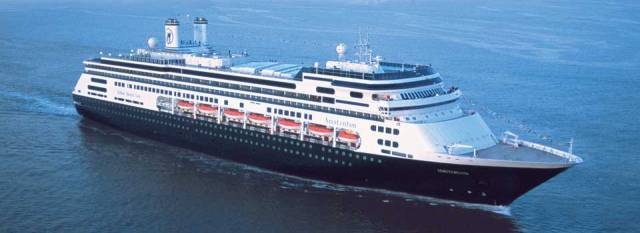
cruise-ships-amsterdam

In a few weeks we will be boarding this ship for a 125-day trip around the world. Why would we do such a thing? Circumnavigating the globe is certainly nothing new today. We know one guy who is doing it now for the 11th time. A former Navy friend laughed when we told him our plan, indicating it was no big deal. He had done it for five years aboard an aircraft carrier. We’re not blazing any new trails. We won’t be facing any particular dangers or hardships, as did Ferdinand Magellan in 1519. There will likely be no mutinies and it’s highly unlikely the ship will sink. We’ll have plenty to eat and we’ll have a comfortable bed to sleep in. Even the ports we stop in will be pretty tame: Shanghai, Colombo, Osaka, Singapore, for example. We can think of so many reasons why we shouldn’t take this trip:

  • It takes too long
  • Traveling on a cruise ship is environmentally unfriendly
  • It’s decadent
  • Being on a cruise ship encourages the exploitation of crew members from developing nations
  • You don’t get a chance to really experience any destinations, you just see them
  • It’s not really “travelling”
  • It’s only for old people who have nothing better to do
  • We would be better off spending our time fretting about the impending Trump presidency and commiserating with our Facebook friends as we worry about the future of the country

The list goes on and on.

So why do this? For one, we’ve never done it before. OK, so there are a lot of things we’ve never done, like walking on hot coals or eating live frogs, but going around the world on a ship seems like something special. We want to, at least once in our lives, get an appreciation of how big, or small, the world really is, by traveling at a speed not experienced in an airplane. We want to wake up in the morning, walk around the deck and see nothing but water, for days.

For Tanya, it’s a chance to relax after a lifetime of work, caring for others, and to look at the four months on board as a “spa experience”. For Jay, it’s a chance to read some of the books he’s never taken the time to finish. His Kindle is flush with classics, including the ever-popular “War and Peace”, the complete works of Edgar Allan Poe, Mark Twain, Robert Louis Stevenson and Jules Verne. And, for both of us, it will be an opportunity to meet some new people, a few of which are bound to become long-time friends.

Trump will become president no matter what we do. The world’s problems will continue whether we’re in the middle of the ocean or on land. From a carbon-footprint standpoint, the ship is fully booked so if we weren’t there someone else would just take our place. Just maybe this will be our opportunity to rejuvenate and gain perspective. In any case, we’ll always be laughing and we look forward to sharing our experiences with you.

Posted in Uncategorized | 6 Comments

New York City: Part Two

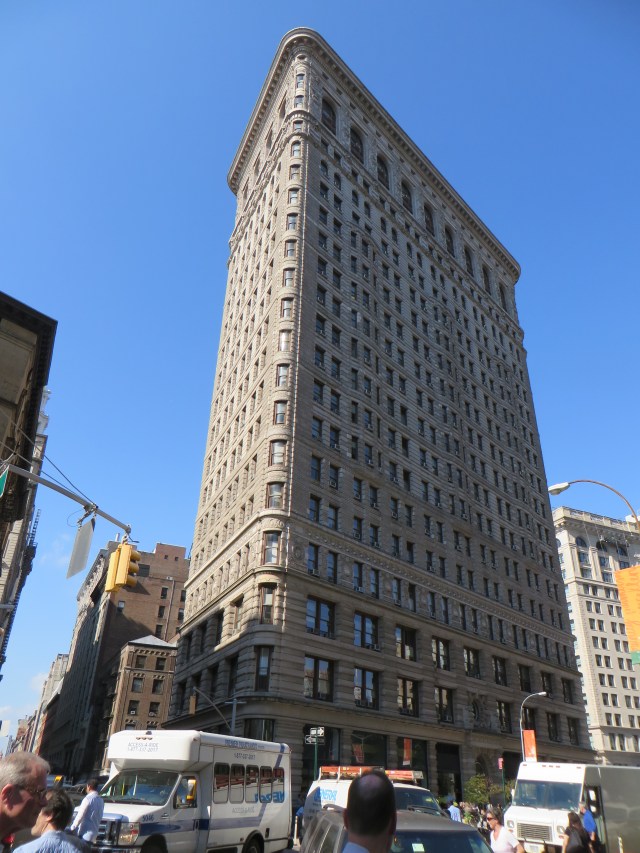
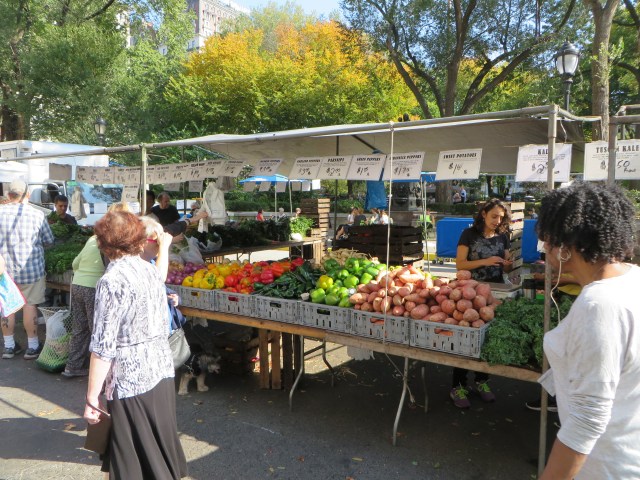
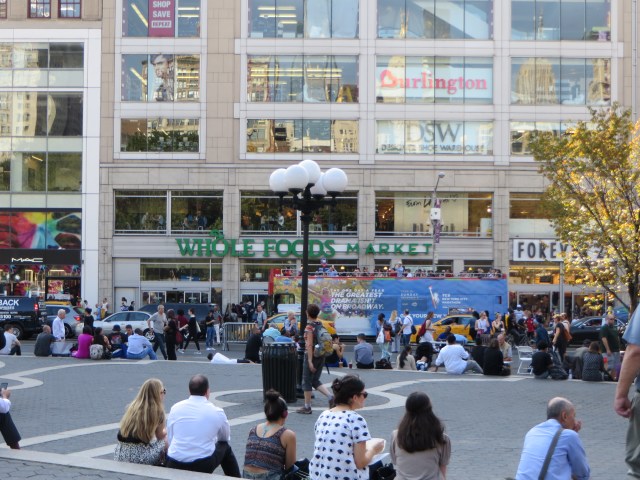
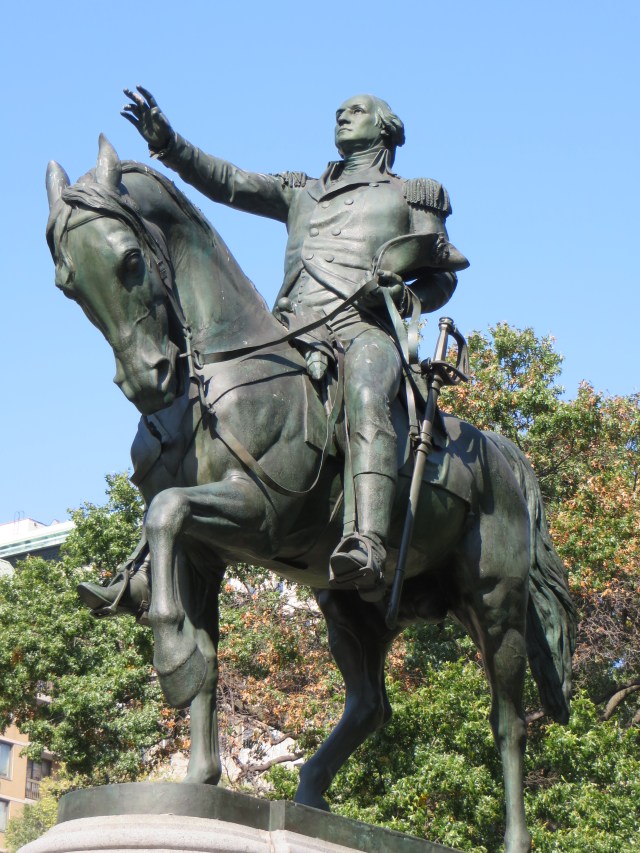
Here are shots of Jay’s visit to the Big Apple in late October. No narrative, just trying to capture the moment.img_2822

img_2898

The Plaza Hotel

img_2897

Apple Store on 5th Avenue

img_2890img_2901img_2900img_2896

img_2894

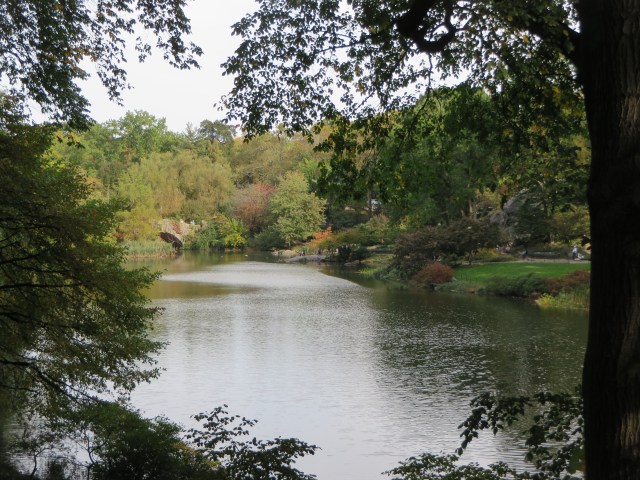
Central Park

img_2893img_2891

img_2888

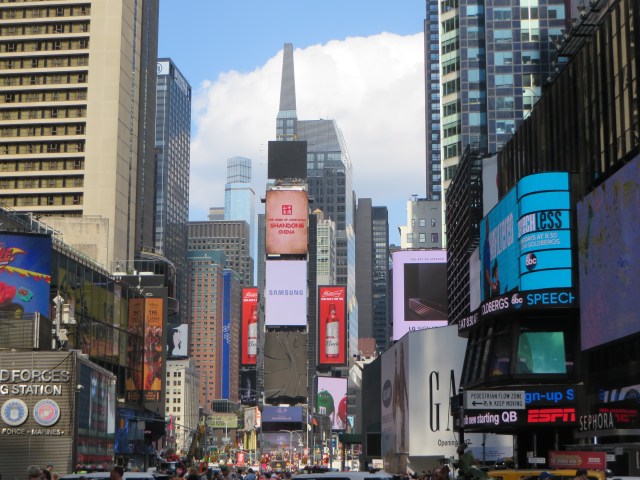
Times Square

img_2887

img_2885

The Flatiron Building

img_2884

Union Square Market

img_2880

Union Square

img_2882img_2874img_2871img_2869img_2867

Posted in USA | 2 Comments

New York City: A Visit to the 9/11 Memorial

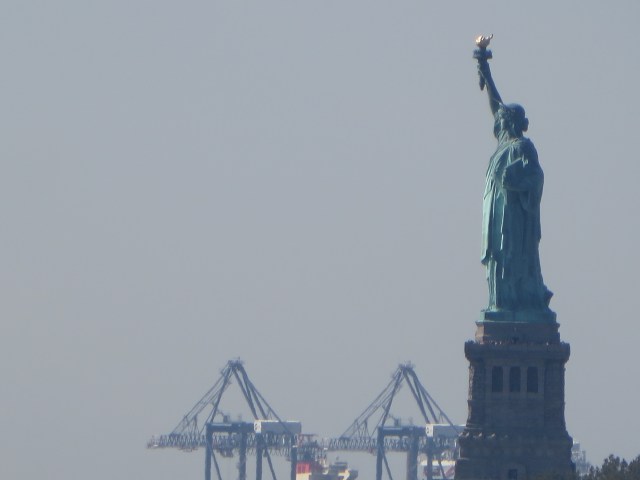
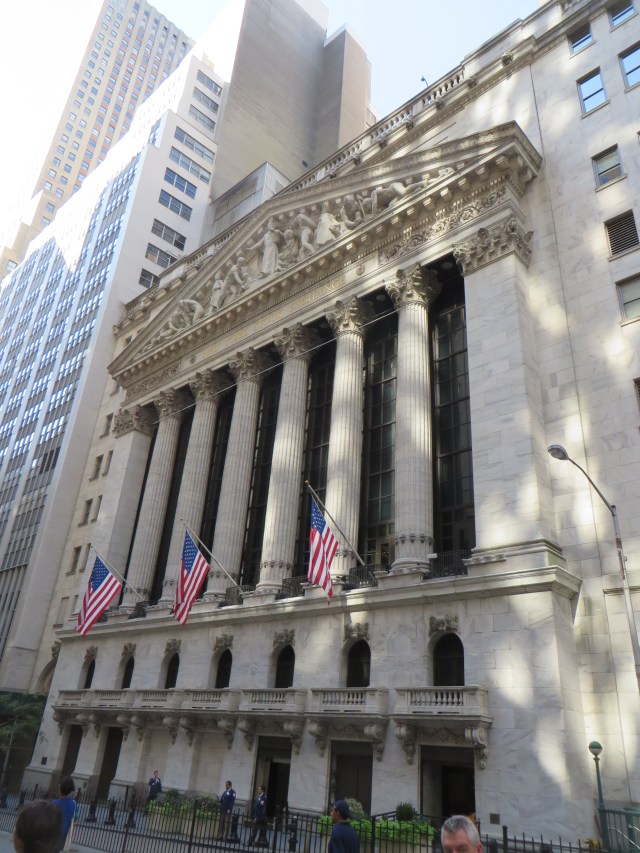
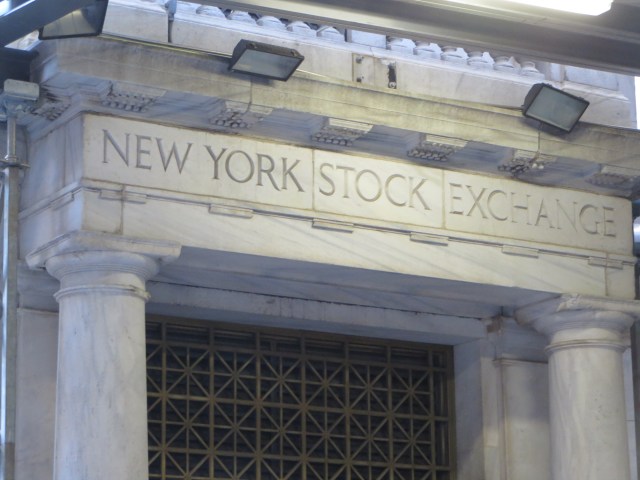
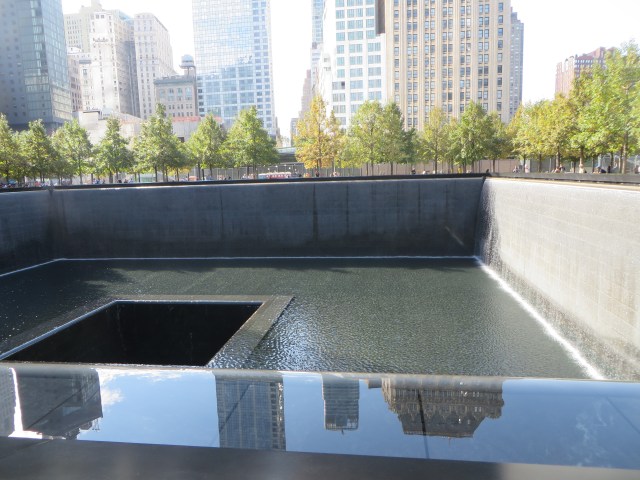
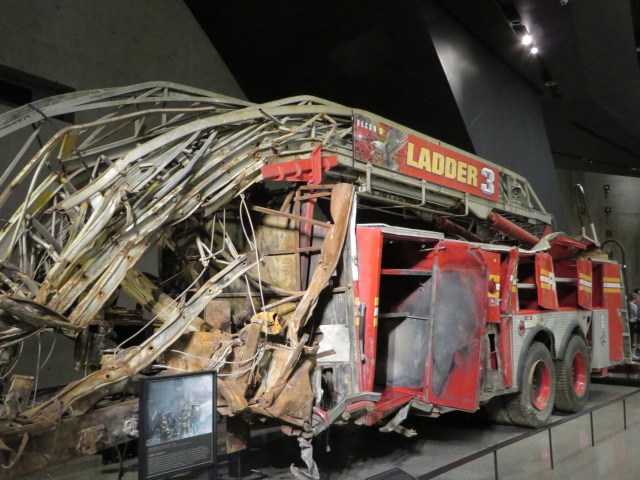
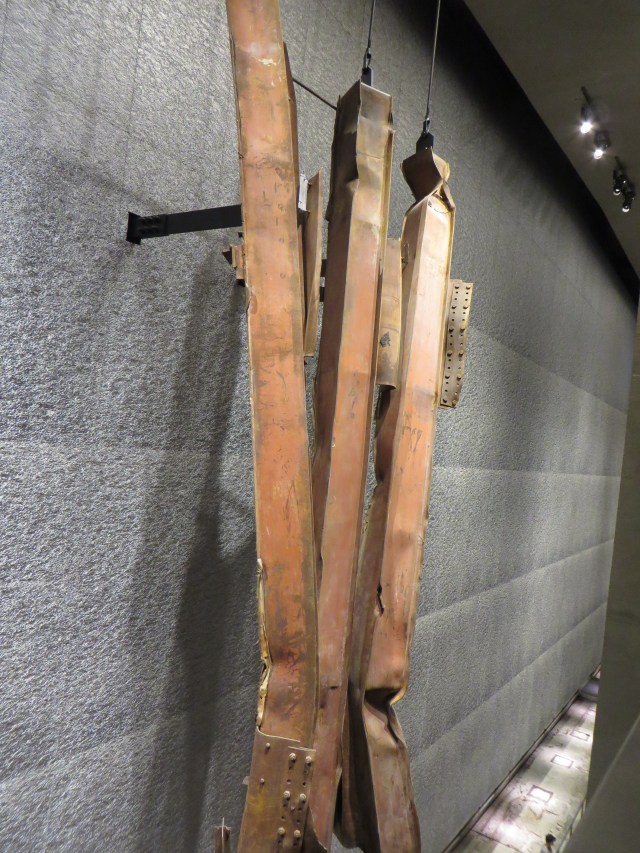
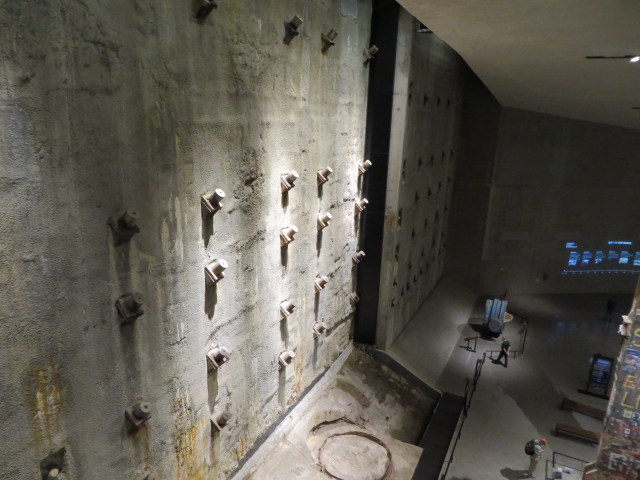
A couple of weeks before the US presidential election, Jay visited New York for a few days. It was a chance for him to dig four nights of great jazz (Blue Note, Village Vanguard, Jazz Standard, Brooklyn Academy of Music) and to take time to get a feel for the city he’d only visited previously at night. Times Square, Statue of Liberty, Wall Street, Central Park..all were wonderful to see. But by far the most emotional experience was the 9/11 memorial. Photos can’t really convey what one feels at this somber site. For those of you who’ve been there, you know what I mean. For Jay, it was a range of feelings, from anger to sadness to anxiety about the future. But there were also feelings of resolve that the twisted thinking that motivated the people responsible for this disaster must be addressed. No matter what one’s religious beliefs are, there is absolutely nothing that justifies what happened here. img_2863img_2835img_2836

img_2827

Part of the exterior superstructure

img_2833

Remains of the TV tower

img_2831

Stairs used by people to escape the burning towers

img_2825img_2857

img_2865

The new One World Trade Center

Posted in Uncategorized | 2 Comments

Fun Times in Freiburg

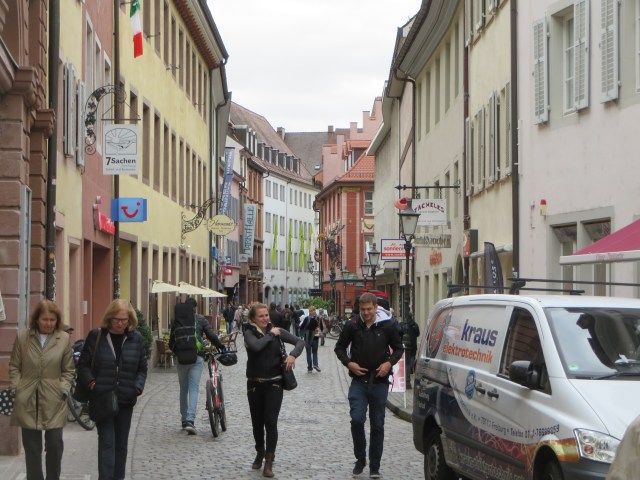
Anyone visiting Germany’s Black Forest region must visit the happening university town of Freiburg. Freiburg is noted as being the sunniest and warmest in Germany (it holds the all-time record temperature of 104 F.) but on a wet fall weekend those warm temperatures are long gone.img_2799img_2808

We recently visited Freiburg for the second time since we’ve lived in Germany and we made some cool discoveries. First, a top place to eat is the Markthalle, a combination market and food court, right in the heart of town.

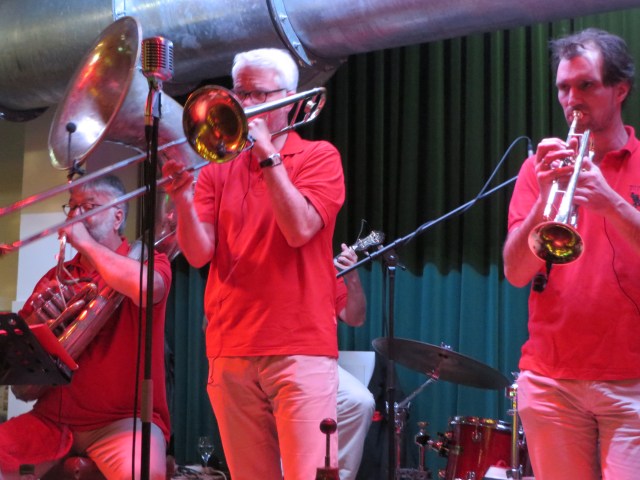
The Markthalle is a terrific place to eat, meet, and drink, and on weekends, there’s live entertainment. We were on hand to hear the “Redhouse Hot 6” who weren’t bad for a local band.img_2792

Another re-discovery was the local favorite watering hole, Hausbrauerei Feierling, always a crowd-pleaser.


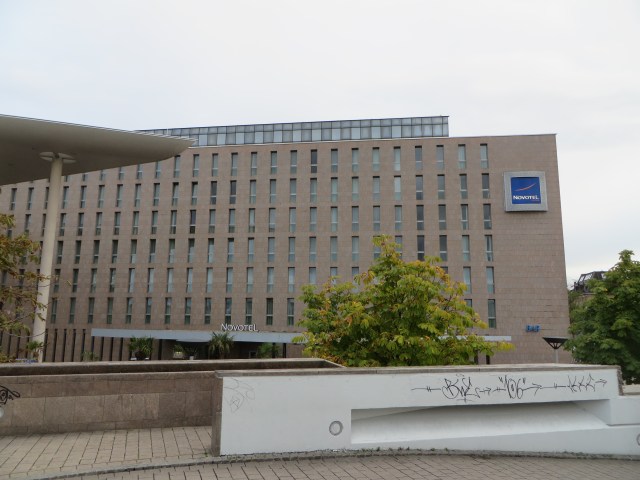
Our home for three days was the Novotel, near the train station and adjacent to the performing arts center. Novotels, generally, aren’t what you’d call charming places to stay but they’re consistent and comfortable. img_2809

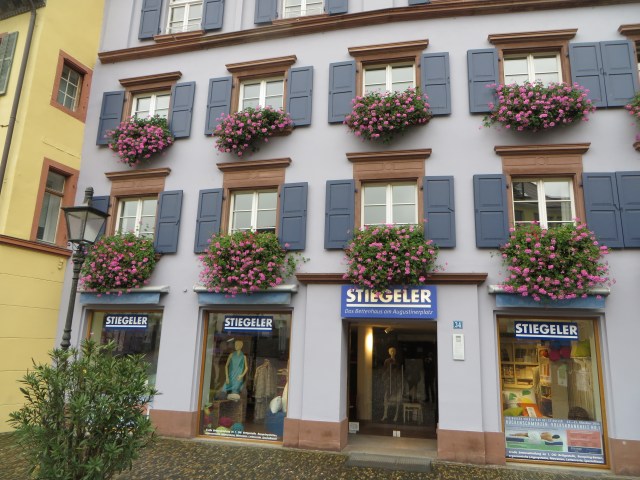
Here’s a sampling of Freiburg photos:img_2789

img_2815

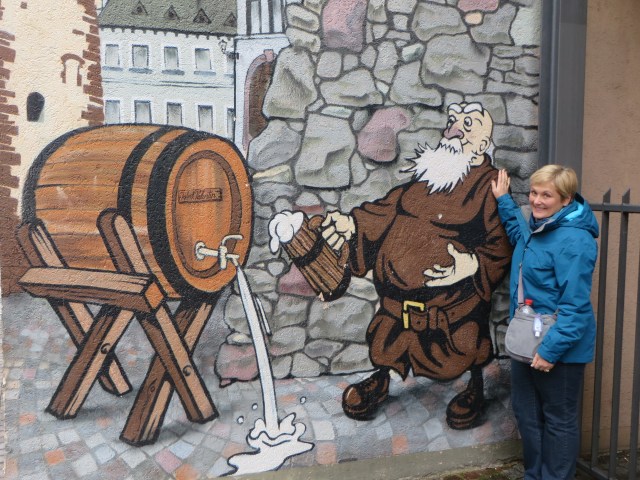
Tanya is “Queen of the World”

img_2814

World’s largest garden hose

img_2813

img_2807

Another of Tanya’s newfound friends

img_2806img_2811img_2819


Posted in Europe, Germany | 5 Comments

Bad Krozingen & Staufen: Getting into Hot Water

Two weekends ago we took the Deutsche Bahn to the southwestern corner of Germany, the Black Forest. Using Freiburg as our base, we spent a day in nearby Bad Krozingen and Staufen. These two small towns don’t get the same attention as does their larger neighbor and are often overlooked by visitors. But, as is often the case, it’s these smaller places that capture the real essence of a region.

Like most German towns, Bad Krozingen, population 17,000, has been around since the early 10th century. But it has only been named “Bad” Krozingen since 1933 when engineers drilling for oil accidentally discovered hot thermal springs and the town became a destination for people to soak and relax. dsc_0080Tanya’s primary interest in the town was that it has a small outlet center selling Birkenstocks. And, while we were unsuccessful in our quest to find the perfect pair of Birkies, we did get a chance to enjoy a sausage and to experience the family atmosphere of this pretty little town. dsc_0081

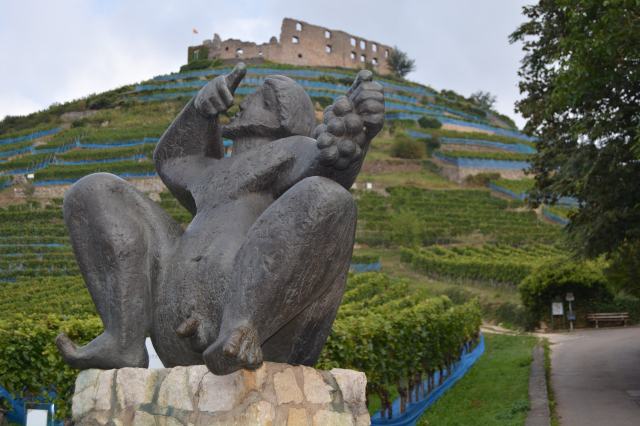
From Bad Krozingen, it was back on the train to the wine town of Staufen. This cute little town of 7,700 is at the center of the region’s wine district and people love their wine here. At the entrance to Staufen, vineyards cover the upside-down goblet shaped hill with the ruins of its castle at the top.dsc_0087dsc_0088
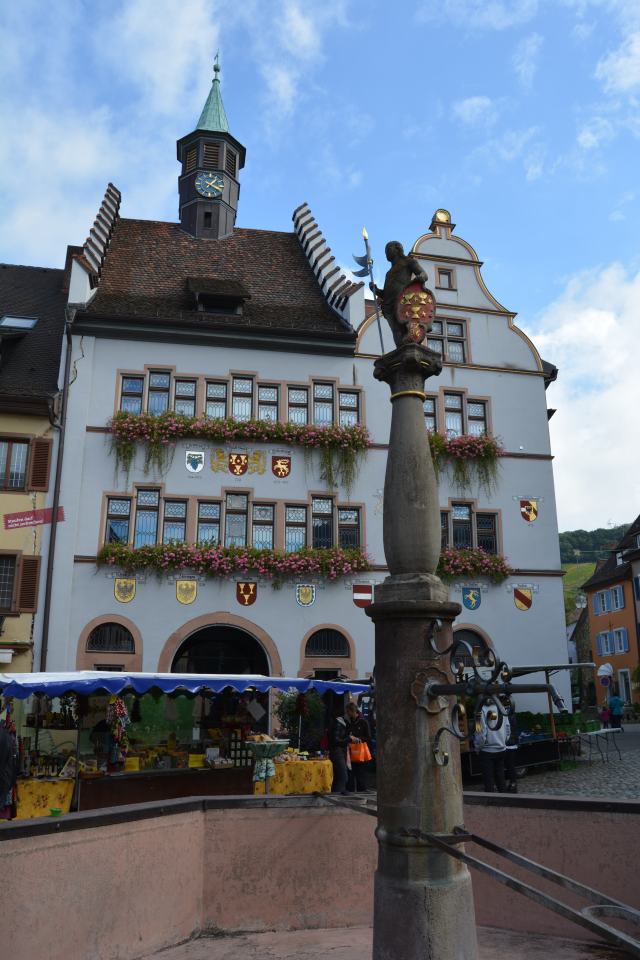
The city does have a major problem, however. In 2007, when the city hall was being renovated, workers tapped into hot underground water under building. This looked like a great idea for geothermal heating and all went well for a few weeks until people started discovering cracks in the walls of many of Staufen’s buildings, including the city hall. It seems the hot water started soaking up a layer of dry gypsum underneath the town. The gypsum started expanding and the earth has now risen between 12 – 30 centimeters (4 to 12 inches) in many sections of the town and shows no signs of stopping. This is a real problem and cracks can be seen in building walls throughout Staufen.dsc_0097
Maybe Staufen’s misfortunes are due, not just to the hot underground water, but to something even more exciting that happened in 1539. In the building, now home to the Gasthaus sum Löwen, an alchemist was working diligently to produce gold from various other chemical elements. dsc_0094dsc_0096Unfortunately, the chemist wasn’t too careful one day and he accidentally caused an explosion, which killed him. The alchemist’s name was Johann Georg Faust. Residents were sure that Faust must have been in league with the devil to create such misfortune. How else to explain it? In the 18th century, Johann Wolfgang von Goethe glommed on to legend of poor old Dr. Faust and created the greatest work of German literature, where Faust sells his soul to the devil.

And so, the question naturally arises: Is Staufen destined to eventually destroy itself, not just from the underground hot water but from Faust’s deal with the devil? What a perfect Halloween story.

Posted in Europe, Germany | 4 Comments