
 OK, Jay and Tanya understand that Gaudi is widely regarded as an innovative architectural genius. And Sagrada Familia in Barcelona, still under construction, is considered his crowning achievement. The interior of the cathedral is designed to represent trees growing to heaven. The branches and canopy growth and the bright windows are supposed to bring the outside in and the entire structure is built in a way to bring in lots of natural light. “There are no straight lines in nature”, Gaudi said, and his cathedral reflects lots of curves.
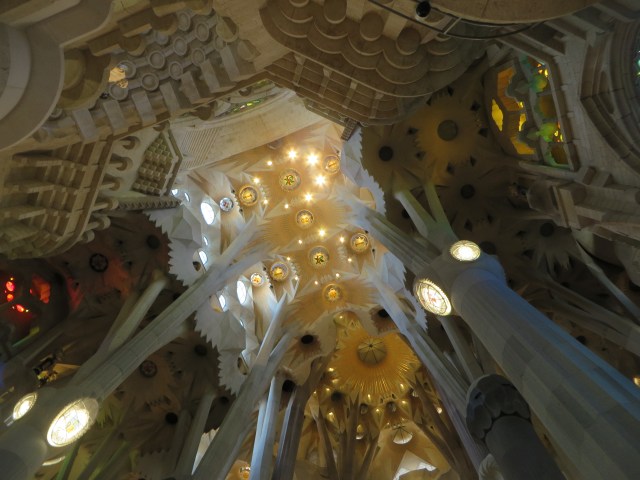

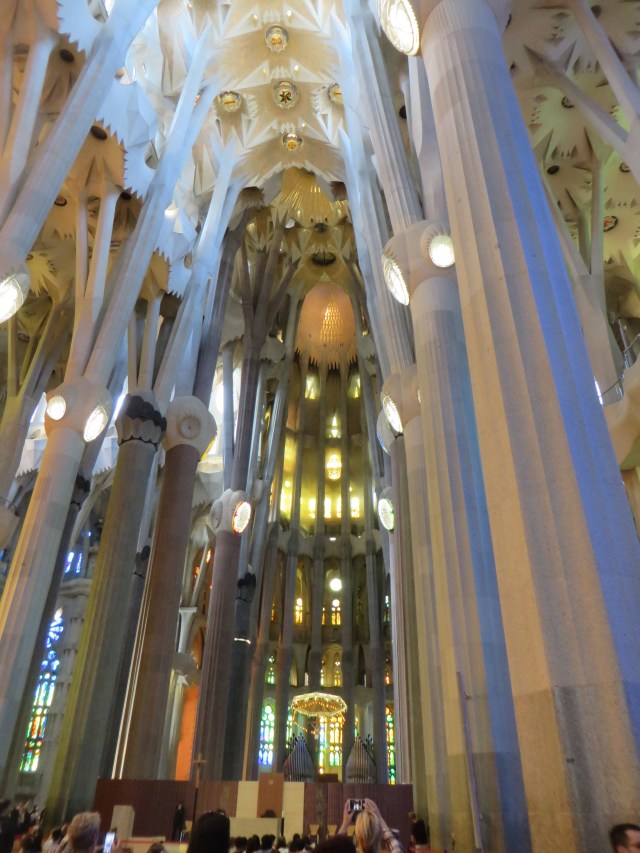
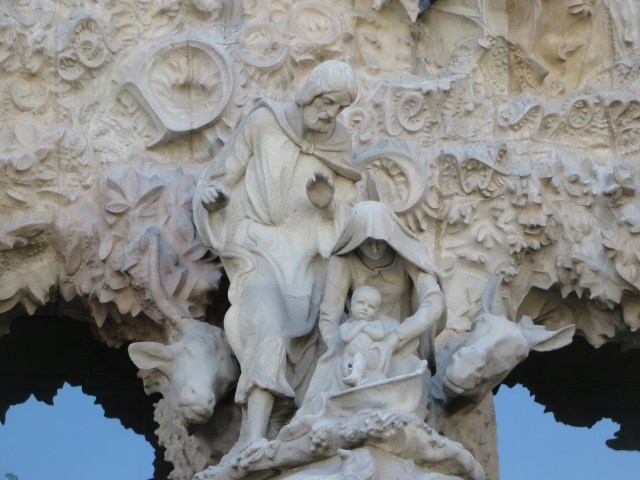
But there was something very disturbing to us about the structure. Somehow, it looks more cartoonish than anything else. Portions of the exterior remind us of a bad acid trip or something made of wax that has melted. Perhaps it is Jay’s Nordic German background but this whole thing just seems wrong, even sacrilegious. Christianity is full of suffering, pain, guilt, and original sin, with the only hope for man being to receive redemption through the grace of God. That’s what most Christian churches illustrate. We don’t see any of that here. It’s almost like Gaudi is making fun of traditional Christian churches and he’s laughing at us. Sagrada Familia is just a mess that has turned into a decades long enterprise with its completion date forever being pushed into the distance. But the crowds flocking here are immense, as is the admission fee, and it continues to be a major draw to visitors to Barcelona. We just didn’t get it.
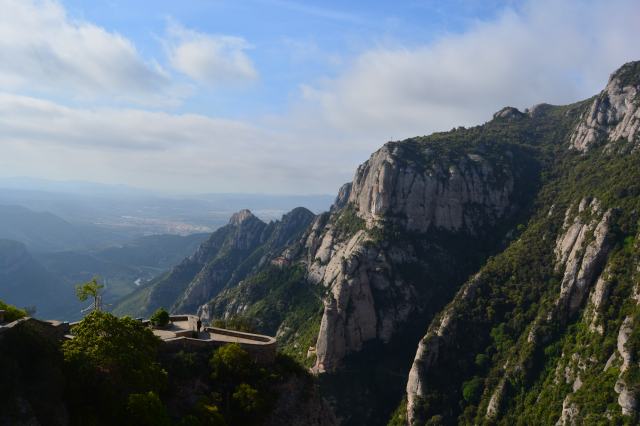 High in the hills, northwest of Barcelona, lies the spiritual home of the Catalan people, Montserrat. The monastery, home to around 50 Benedictine monks, is a focal point for pilgrims and others. Even though the monastery has been rebuilt and expanded a few times, and was destroyed by Napoleon’s troops in 1811, monks have worshiped here since 900 AD.


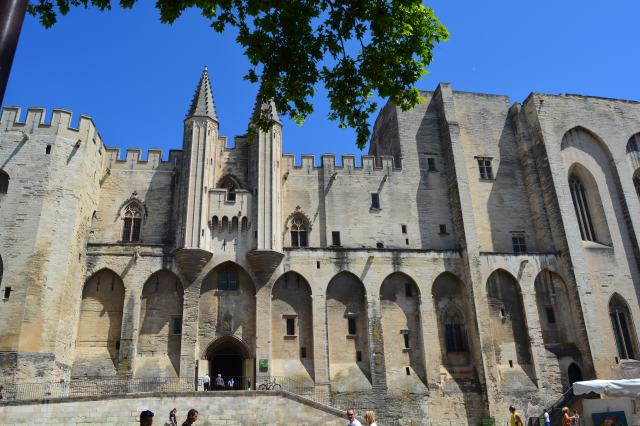 Located in Provence, Avignon’s major claim to fame is that it was the home of the breakaway Catholic popes between 1309 and 1417. This was a fascinating time within the Catholic church as the French popes broke away from Rome and set up their own headquarters in Avignon. At one time there were as many as three different popes reigning at the same time as they were busy denouncing and excommunicating each other. Meanwhile the Avignon popes, there were a total of nine successive ones, built an incredible palace for themselves. The Popes Palace in Avignon was, at one time, the largest structure in the Western world and these fellows spared no expense in building up a pretty nice little empire for themselves. With lavish surroundings and everything that goes with being royalty, in a word, “it was good to be pope.”


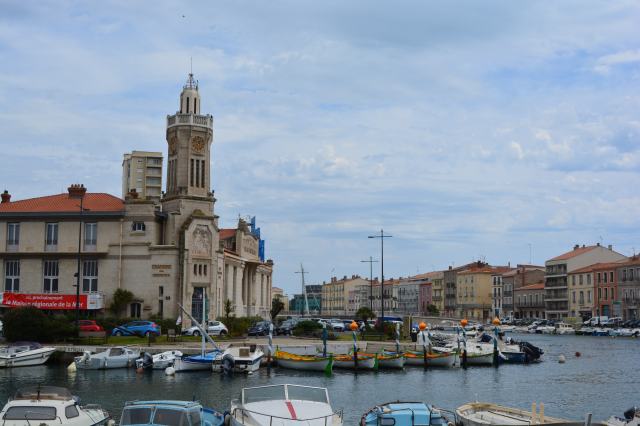 Séte is a quiet fishing port on the south coast of France. It’s an attractive little town whose claim to fame seems to be that it was a major destination for French Algerians who fled Algerian after it gained its independence from France. It’s a place where folks go about a pretty normal, quiet life and are not often disturbed by tourists.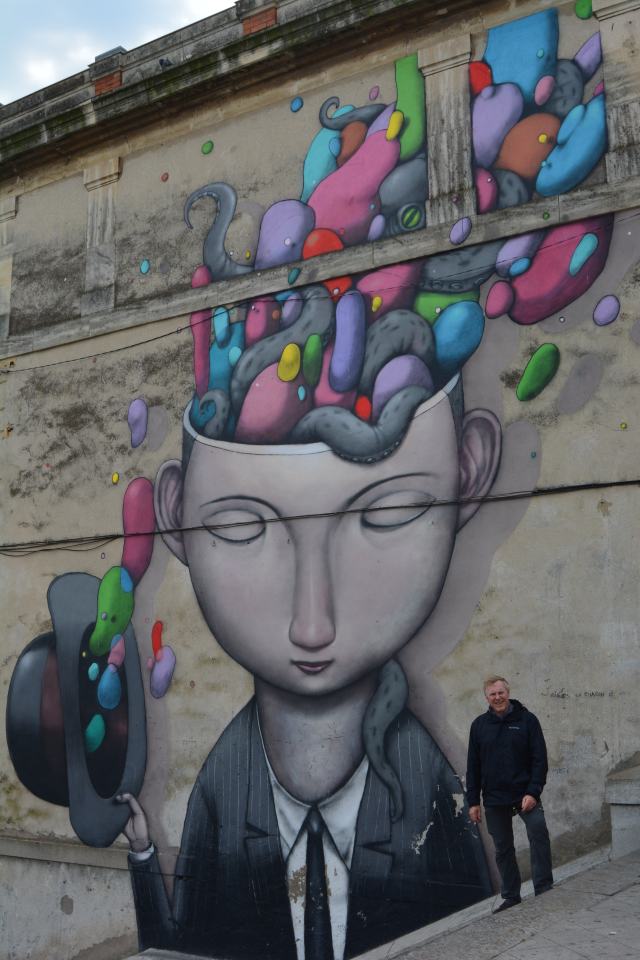
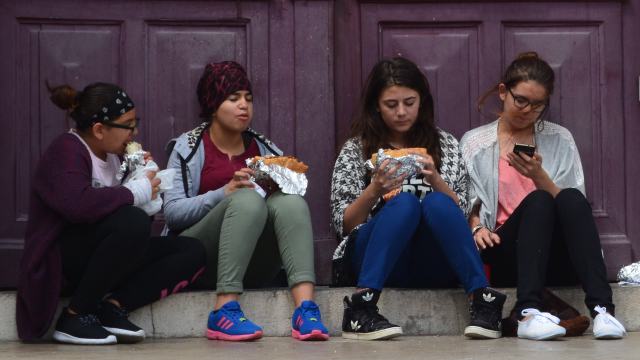

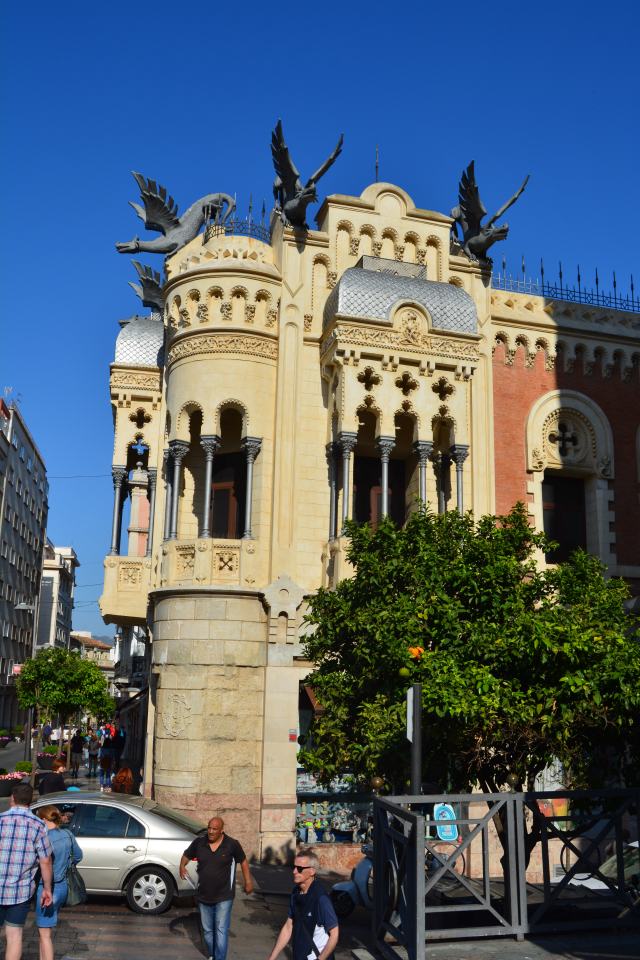 Nestled along the north coast of Africa, just 17 miles across the sea from Gibraltar, lies the beautiful Spanish enclave of Ceuta. Bordering Morocco, the Islamic and Christian cultures here seem to blend seamlessly and without the uncomfortable underlying tension we often feel in Germany. With only a few hours stay here it’s impossible to really know what’s going on. But it’s just a feeling. We think a major difference here is that these two societies have both lived in this area for so many generations that co-existence is just normal. Perhaps the rest of Europe will be like this one day.


 Almeria is an ancient town in Andalusia, on the southern Spanish coast. The top attraction, and the focus of our visit, was to the Alcazaba fortress. This area was under Muslim control beginning in the 9th century and the caliph built a huge protective fortress to protect the town. Even though much of the complex was destroyed by an earthquake in 1522, the ruins remain and make for a fascinating visit.


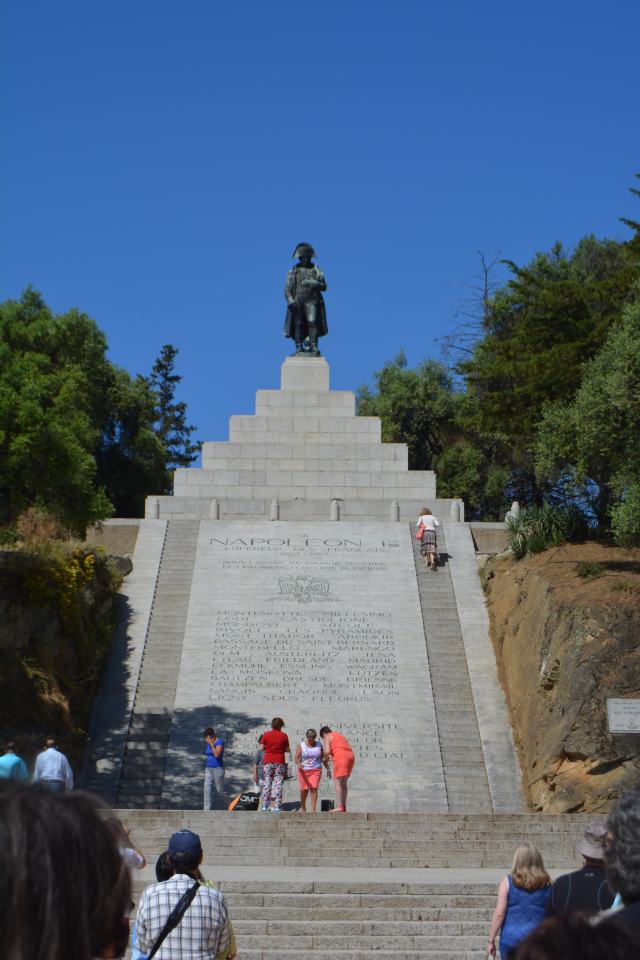


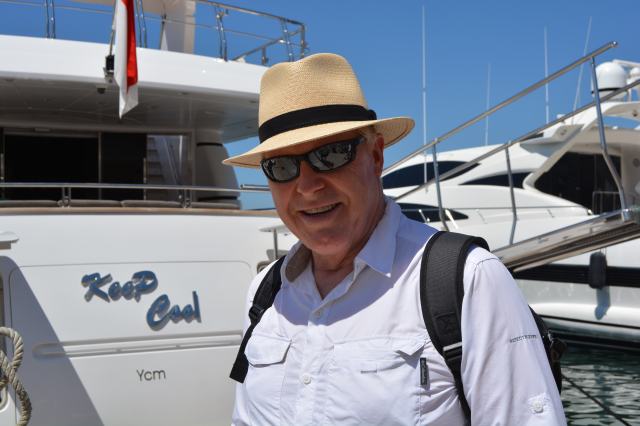 Spending the day in St. Tropez, looking for the beautiful people, proved fruitless. We had read of recent celeb sightings, including Ivana Trump, and we were anxious to blend in and see who we could chat up. “Which yacht is ours? Why, that gorgeous little number over there, dahling. Why don’t you stop by for cocktails later?”
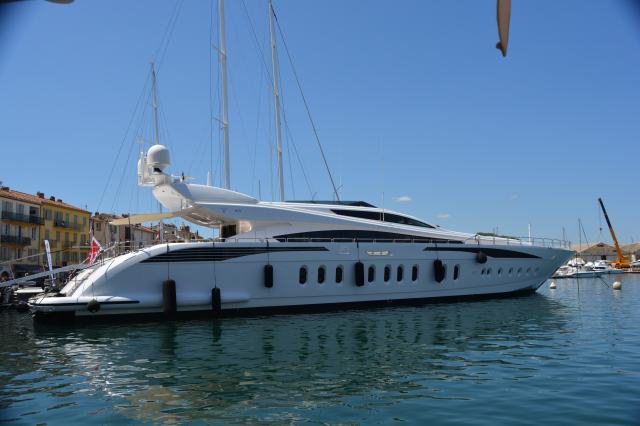




 It’s hard to believe that this town of 100,000 was a European economic powerhouse for nearly 300 years (1000-1300 AD). At one time Pisa controlled Corsica, Sardinia and Sicily, and traded extensively with regions as far away as North Africa and Syria. But now, of course, Pisa is more famous for its leaning tower.
 It was the swinging of the bronze incense burner, suspended from the cathedral’s ceiling, that helped Galileo discover the earth’s rotation.


 Never Left Home